OpenAI exec is ‘cautiously optimistic’ about the US working with China on AI
Communication between the two nations is a “starting place.”
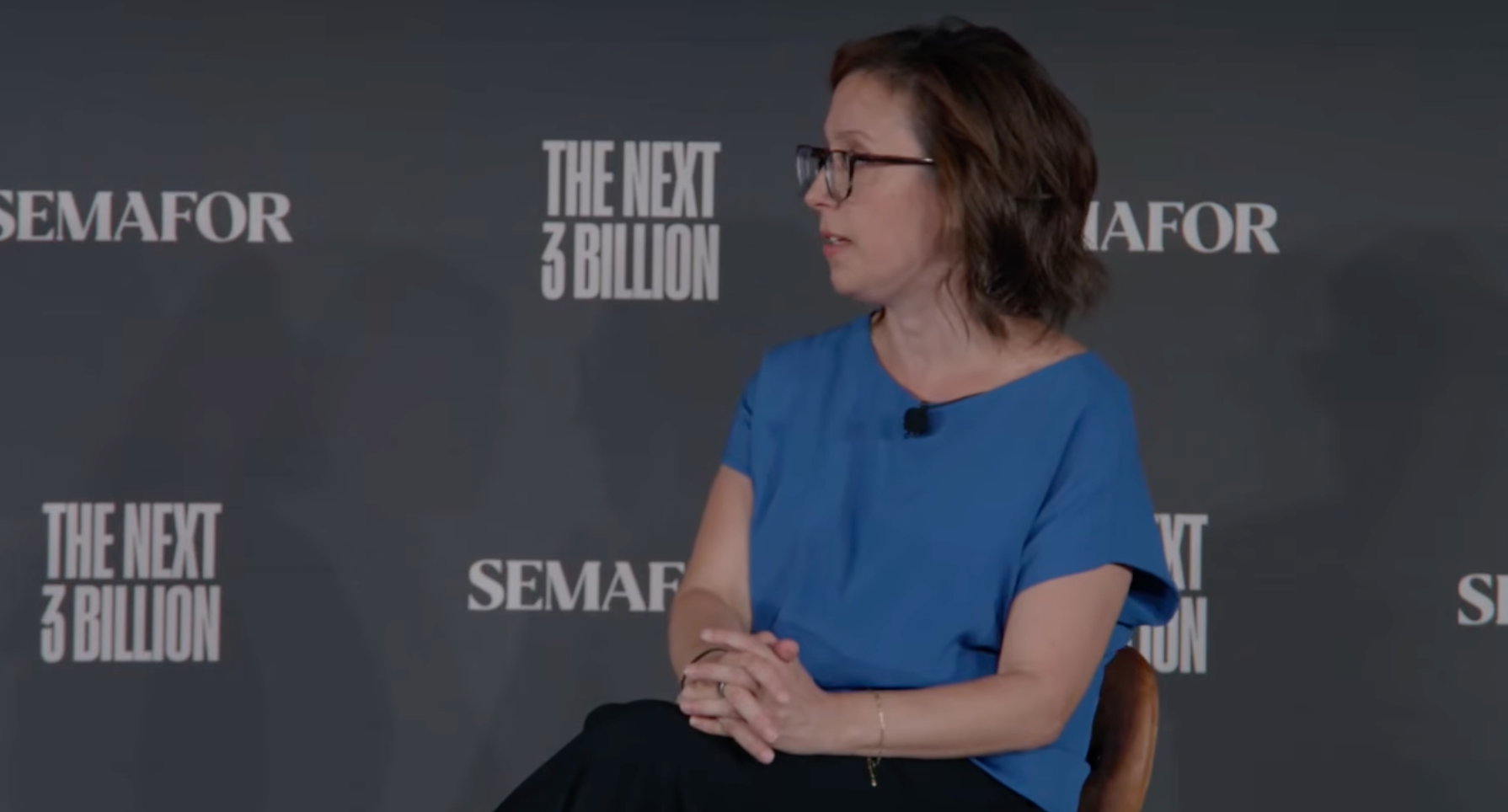
Sasha Baker, OpenAI’s head of national security policy, expressed cautious optimism regarding potential collaboration between the US and China on AI safety. At Semafor’s Next 3 Billion event, Baker suggested that an AI crisis communications line between the two superpowers could serve as a starting point for their relationship in the technology sector.
She emphasized that while this serves as a good starting point, it is not the final solution and noted the importance of finding common ground between the two nations, given their status as leaders in AI development. Baker also highlighted the global impact of advanced AI, asserting that all countries should have a stake in the conversation about AI standards.
OpenAI CEO Sam Altman will present the need for internationalizing the conversation around AI standards to the UN Security Council. Earlier on Tuesday, President Donald Trump dismissed the idea of international AI oversight, labeling it as a "globalist scheme," but emphasized the gravity of the current situation and the strategic significance of these AI models.
Concerns have been raised about the potential misuse of advanced AI models as potent hacking tools, capable of discovering and exploiting undisclosed security vulnerabilities with minimal human intervention. OpenAI recently introduced Astra, its first model designated as "cybercritical." However, Baker clarified that there are no current plans to utilize this model for offensive cybersecurity activities, such as launching preemptive attacks against adversaries.
She acknowledged the risk of the model falling into the wrong hands, stating that it could be used for malicious purposes.
Written by urgent.news from Semafor's reporting — not their text. Machine-written — may contain errors; check the original before relying on it.