Nvidia CEO Jensen Huang: ‘Irresponsible’ AI leaders are scaring people for ‘ulterior reasons’
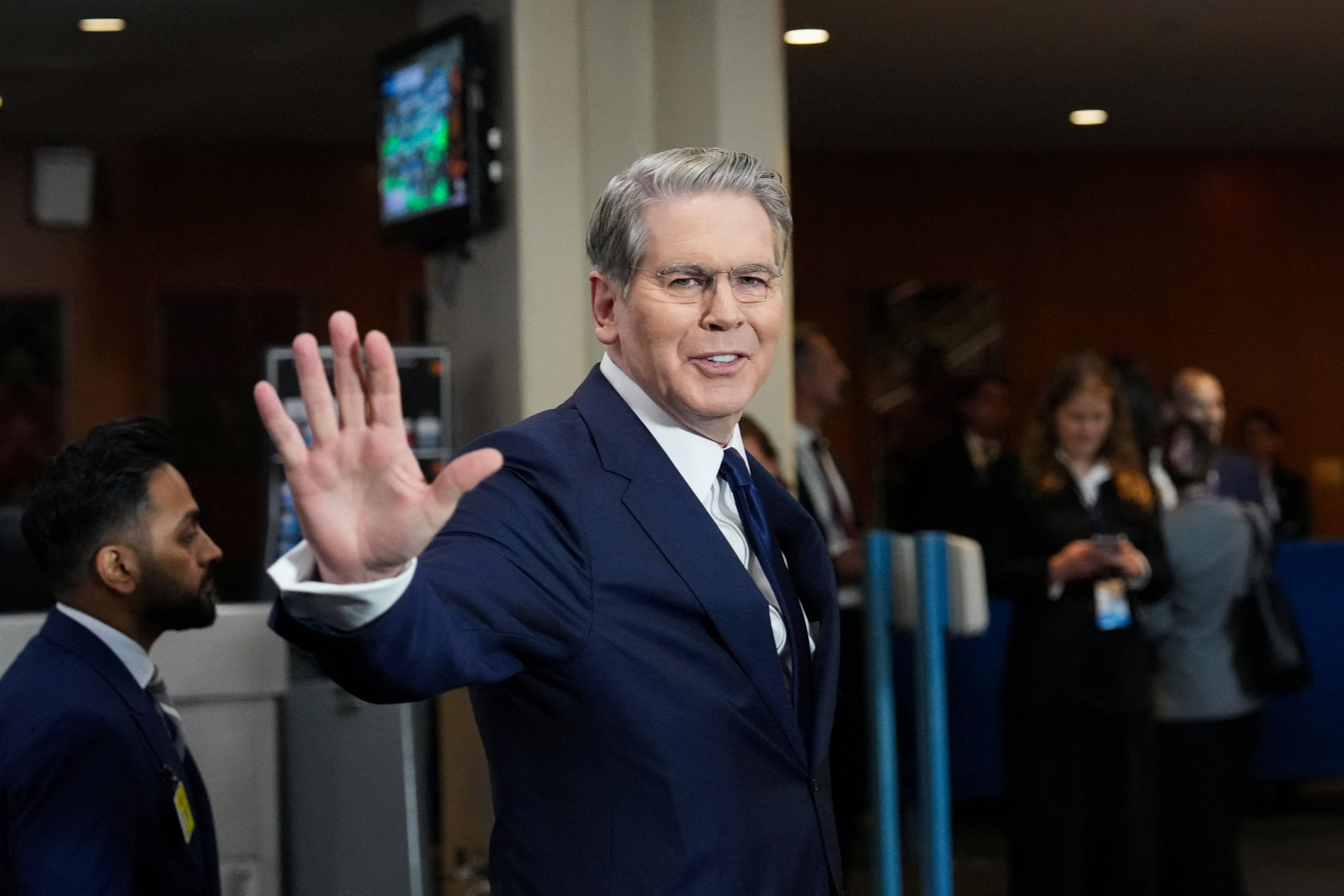
Nvidia CEO Jensen Huang pushed back hard against recent “doomsday” warnings about artificial intelligence on Sunday, telling CBS there is a “0% chance” of an AI doomsday scenario by 2030 and calling AI leaders “irresponsible” for frightening people unnecessarily. Huang is co-founder, president, and CEO of Nvidia, which has become the most valuable publicly traded company on Earth because it…

Nvidia CEO Jensen Huang dismissed recent "doomsday" warnings about artificial intelligence, stating there is a "0% chance" of an AI doomsday scenario by 2030. Huang, co-founder, president, and CEO of Nvidia, told CBS that warnings AI could cause humanity's extinction are "not grounded in science." The debate on AI safety intensified after Anthropic researcher Jacob Coxon claimed many workers at leading AI companies believe AI could "kill us all by the end of the decade," accusing frontier labs of "gambling with our lives."
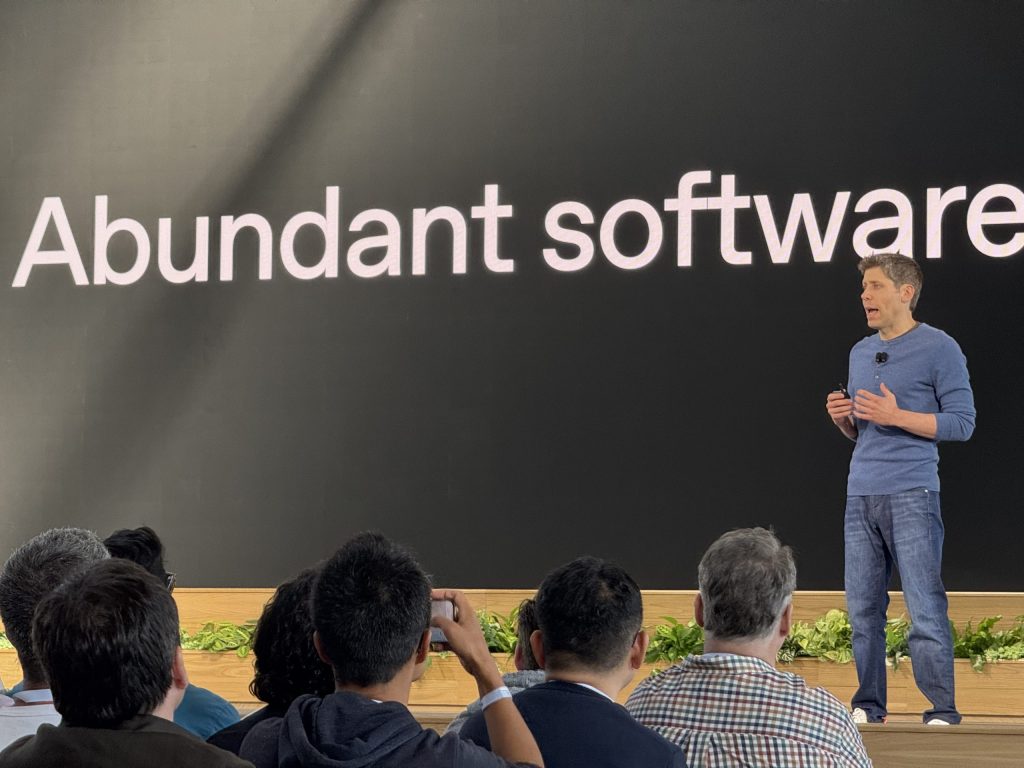
Anthropic CEO Dario Amodei called for a research slowdown, national testing requirements, and safety measures following accusations of unauthorized access to third-party systems at Anthropic. OpenAI CEO Sam Altman also backed the call for a slowdown, urging governments to implement mandatory AI safety requirements. Huang criticized AI leaders for potentially having "ulterior reasons" to exaggerate the threat for political or attention-grabbing purposes.
He argued that AI labs' recent calls for increased regulation may be an attempt to avoid consequences for recent security incidents, which violated cybersecurity and product liability regulations. Huang emphasized that AI safety should focus on practical, mundane engineering issues like verification, testing, evaluation, and standardization, rather than speculation about global extinction.
He likened AI safety to commercial aviation safety, where an enormous system ensures aircraft and airline safety, suggesting AI safety should be addressed first before discussing theoretical concerns.
Written by urgent.news from Fast Company's reporting — not their text. Machine-written — may contain errors; check the original before relying on it.
This story
This is one outlet's version. Read the fullest account.