'No burden for consumers': Sitharaman clarifies who will pay MDR on UPI transactions
Finance Minister Nirmala Sitharaman addressed concerns over the Merchant Discount Rate charges, emphasizing that UPI users will face no additional financial burden. These charges apply solely to payment operators and do not treat consumers as taxpayers. The revised rule targets only high-value Person-to-Merchant UPI transactions, meaning most users will transact without incurring extra fees. The…
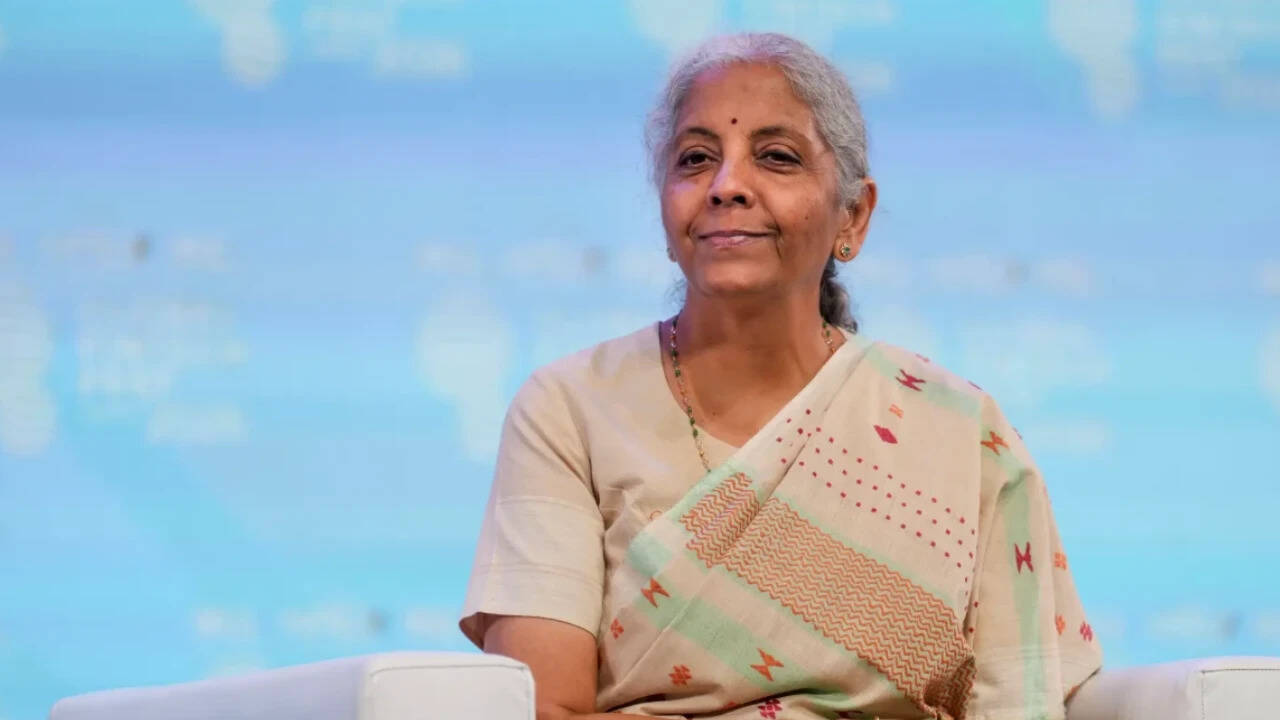
Union Finance Minister Nirmala Sitharaman has clarified that the recently announced Merchant Discount Rate (MDR) on UPI transactions will not burden consumers. Speaking to ANI, Sitharaman dismissed speculations that the charges would be passed on to customers and blamed the opposition for creating confusion. The MDR, she stressed, is a charge between payment operators and not a tax or cess, with the collected funds not going into the Consolidated Fund of India.
The new MDR framework, introduced by the National Payments Corporation of India (NPCI) on September 15, imposes a 0.4% charge on Person-to-Merchant (P2M) UPI transactions above Rs 2,000, capped at Rs 300 per transaction.
Written by urgent.news from Times of India's reporting — not their text. Machine-written — may contain errors; check the original before relying on it.