Newly opened Pinglu Canal to enhance Malaysia-China, Asean trade connectivity
KUALA LUMPUR: The opening of China’s Pinglu Canal on Sept 16 could further enhance trade connectivity between Malaysia, China and the wider Asean region.
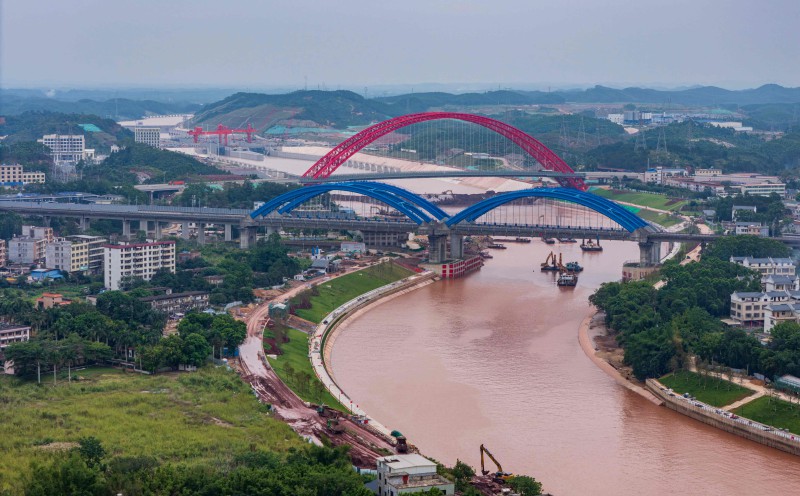
The newly constructed Pinglu Canal in China, which opened on September 16, is anticipated to bolster trade connectivity between Malaysia, China, and the broader Association of Southeast Asian Nations (Asean) region. The 134.2-kilometer waterway, costing 72.7 billion yuan, significantly compresses the inland route for goods from southwest China to reach the sea by over 560 kilometers.
This reduction in distance is expected to slash logistics costs by a range of 18 to 30 percent, potentially saving more than five billion yuan annually in transportation expenses. During a discussion on the Bernama World programme at the China-Asean Expo (CAEXPO) 2026, CGTN reporter Xu Hua elaborated on the canal's potential benefits, particularly for Malaysian exporters of palm oil, electronics, and halal products.
These products would gain faster and cheaper access to China's western inland markets via the Qinzhou Port. The Pinglu Canal, situated in Guangxi Zhuang Autonomous Region, serves as a link between the Xijiang River system and the Beibu Gulf, providing a more direct path for southwest China to maritime markets. This waterway is a part of the New International Land-Sea Trade Corridor, connecting inland regions of western China with Asean and other international markets.
The China-Asean Free Trade Area 3.0 upgrade, which Xu Hua highlighted, signifies a substantial shift from traditional trade in goods to a focus on digital economy development, green industries, and strengthened regional supply chains. The China-Asean Free Trade Area, established in 2002 with its first version completed in 2010 and second upgrade in 2015, is being upgraded in 2025 to cover areas such as the digital economy, green economy, supply chain connectivity, competition and consumer protection, and micro, small, and medium enterprises.
Written by urgent.news from New Straits Times's reporting — not their text. Machine-written — may contain errors; check the original before relying on it.