Newfound 'fire amoeba from the Cascades' sets record for the hottest temperature complex life can survive at
The newly-described amoeba Incendiamoeba cascadensis can survive at a sweltering 145 degrees Fahrenheit.
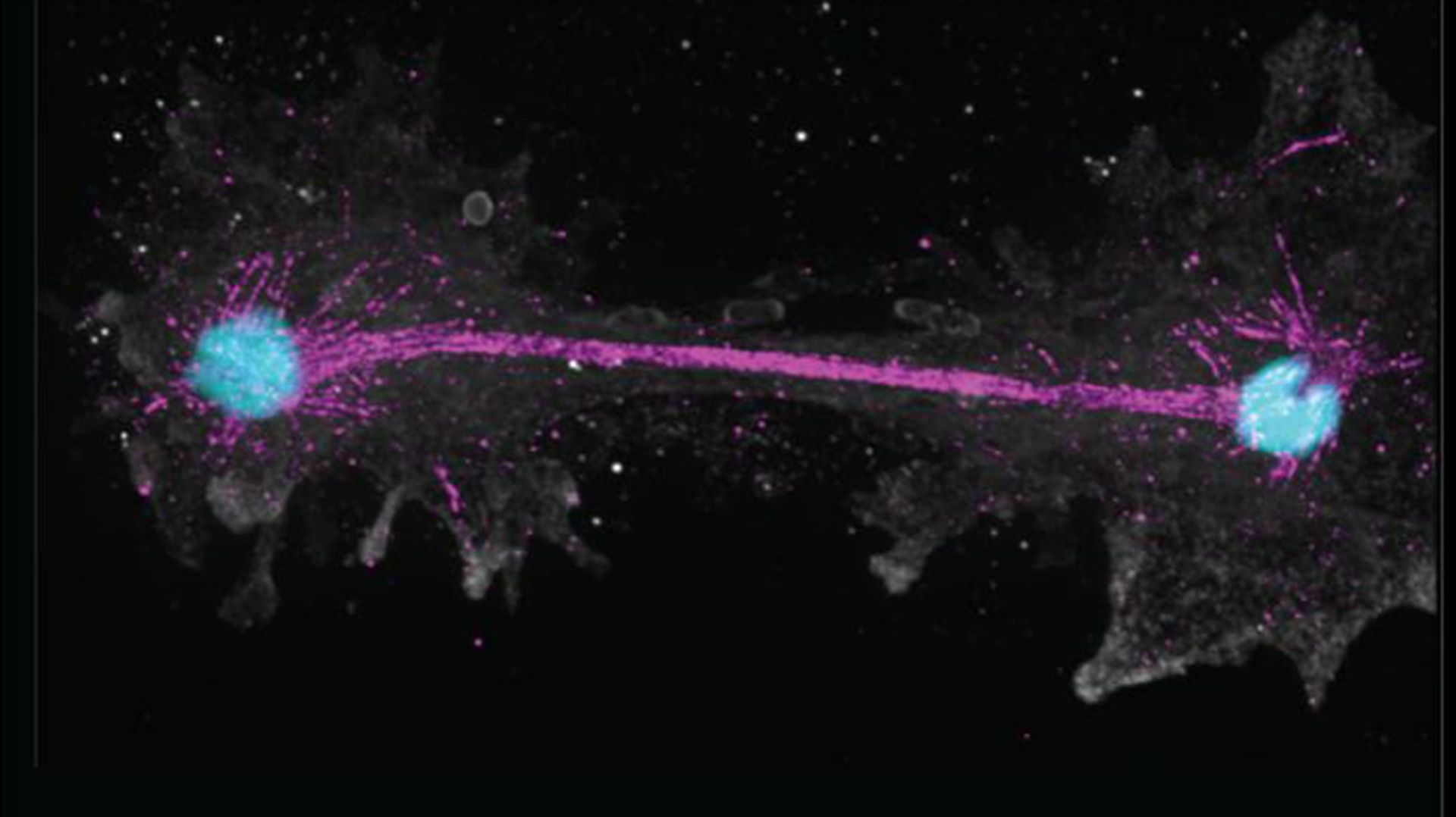
Researchers have discovered a new amoeba species that sets the record for the highest temperature at which complex life can survive. The Incendiamoeba cascadensis amoeba was found in Lassen Volcanic National Park, California, and thrives at temperatures up to 145°F (63°C) and can survive in temperatures up to 158°F (70°C) for short periods. Prior to this discovery, no complex cells were known to replicate at temperatures above 140°F (60°C).
Beryl Rappaport, a microbiologist at Syracuse University, was surprised by the findings and had to double-check the calibration of their incubators. Amoebas are single-celled organisms that move using cellular fluid tendrils and are more complex than prokaryotic organisms like bacteria and archaea. The newly discovered Incendiamoeba cascadensis sets a new record for the highest temperature complex life can tolerate.
The amoebas were collected from a tributary of Hot Springs Creek in the park and thrive in temperatures between 131-135°F (55-57°C). At 158°F (70°C), the amoebas create protective shells around themselves and go dormant, but recover when the temperature is lowered. The team also found that the amoebas' proteins have positively charged amino acids on their surface, which may help stabilize proteins at high temperatures, similar to heat-loving prokaryotes.
While some fungi can tolerate temperatures up to 140°F (60°C) in deserts, eukaryotes like Incendiamoeba cascadensis still lag behind in heat tolerance compared to bacteria, which can survive extreme temperatures of up to 250°F (122°C). The researchers are now studying Incendiamoeba's closest relatives to understand how it evolved heat tolerance, which could help scientists grasp the limits of life on Earth and potential habitats for complex life in the universe.
Written by urgent.news from Live Science's reporting — not their text. Machine-written — may contain errors; check the original before relying on it.