New Zealand eases UAE travel warning in boost to recovering tourism sector
New Zealand has lifted its official guidance warning against non-essential travel to the UAE, delivering a boost to the tourism sector as it seeks to rebound from the challenges of the Iran war. The New Zealand government has lowered the travel advisory from Level 3 – avoid non-essential travel – to Level 2, which calls for people to exercise increased caution. New Zealand operates a four-scale…
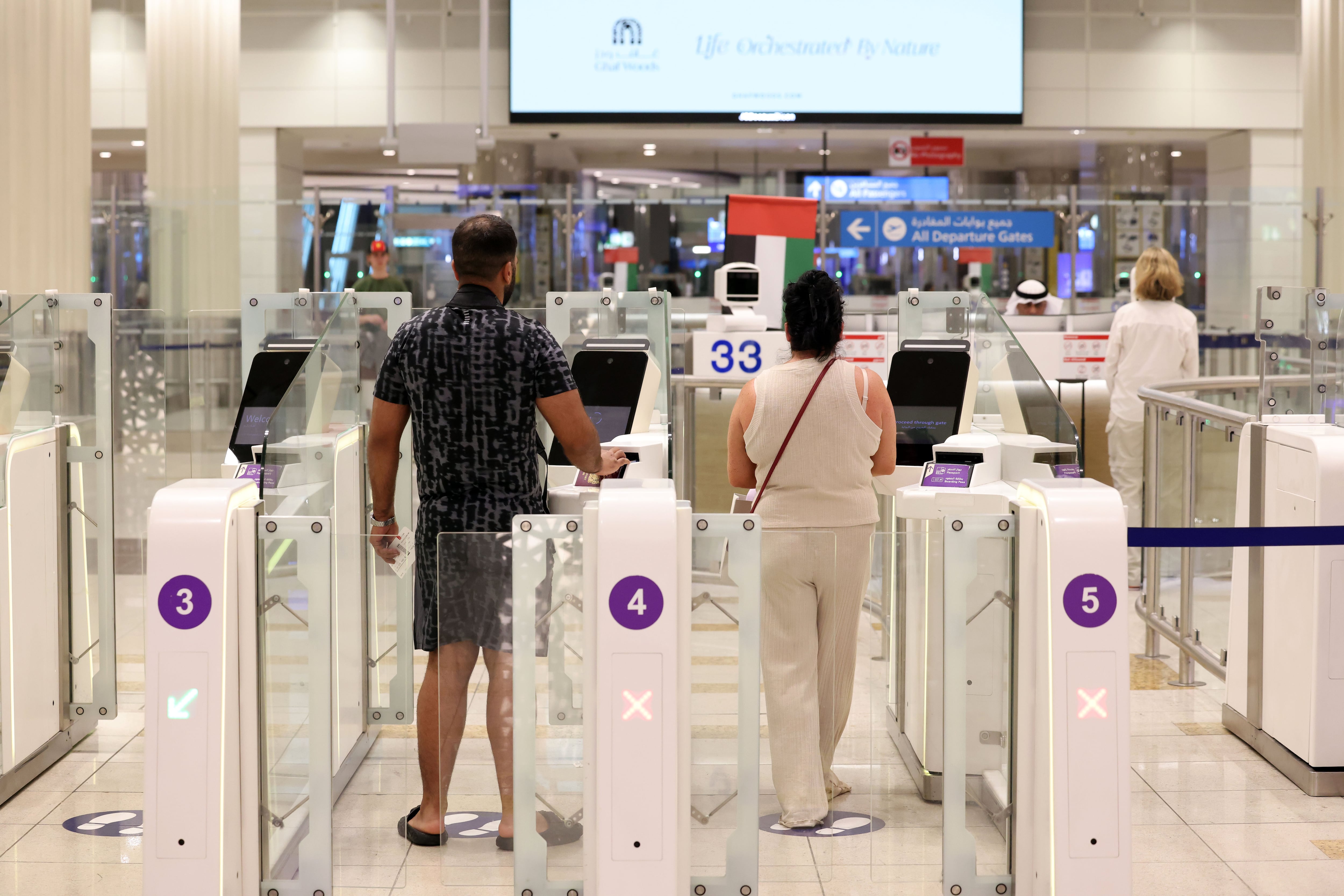
New Zealand has reduced its travel warning for the UAE, signaling a boost to the nation's struggling tourism industry following the Iran war. The government lowered the advisory from Level 3 – advising against non-essential travel – to Level 2, which now requires people to exercise increased caution. This update, posted on the country’s Safe Travel website, was welcomed by New Zealand’s ambassador to the UAE, Richard Kay, who encouraged New Zealanders to once again travel to or transit through the UAE.
The ambassador urged travelers to stay vigilant and follow local advice, as security conditions can change rapidly. The UAE operates flights to New Zealand’s major cities of Auckland and Christchurch on the South Island. In August, the number of international overnight visitors to Dubai reached its highest figure since February, with Dubai welcoming 6.97 million international visitors in the first eight months of the year.
Hotel occupancy in the emirate also surged to 66 percent in August, up from 36 percent in March. The UAE’s Comprehensive Economic Partnership Agreement (Cepa) with New Zealand, signed in January 2025, is expected to increase bilateral trade to over $5 billion by 2032, up from an average of $1.5 billion between 2019 and 2023. The UAE is actively working to have other countries remove the country from their travel advisory lists, with tourism figures showing signs of recovery after the conflict.
Other countries such as Australia, the UK, and the US have also eased their travel advisories for the UAE. Dubai’s Department of Tourism and Commerce Marketing CEO, Issam Kazim, expressed optimism that lifting the travel warnings could positively impact visitor numbers by improving insurance conditions for international carriers.
The ATM Travel Trends Report 2026 predicts a 57 percent increase in international visitor spending in the Middle East between 2025 and 2030, with strong demand from neighboring countries and sustained investment in travel capacity.
Written by urgent.news from The National Business's reporting — not their text. Machine-written — may contain errors; check the original before relying on it.
Also reported by 1 other outlet
- New Zealand eases UAE travel warning in boost to recovering tourism sector thenationalnews.com