Nearly 4 Million Colonial-Era Enslavement Records Digitised And Made Searchable For First Time
London, September 22, 2026: Nearly four million records documenting the lives of enslaved people across 20 former British colonies have been made searchable online for the first time, opening up a vast archive that could help millions of descendants trace their family histories. Genealogy company Ancestry has digitised and indexed the records in partnership with the Centre for the Study of the…
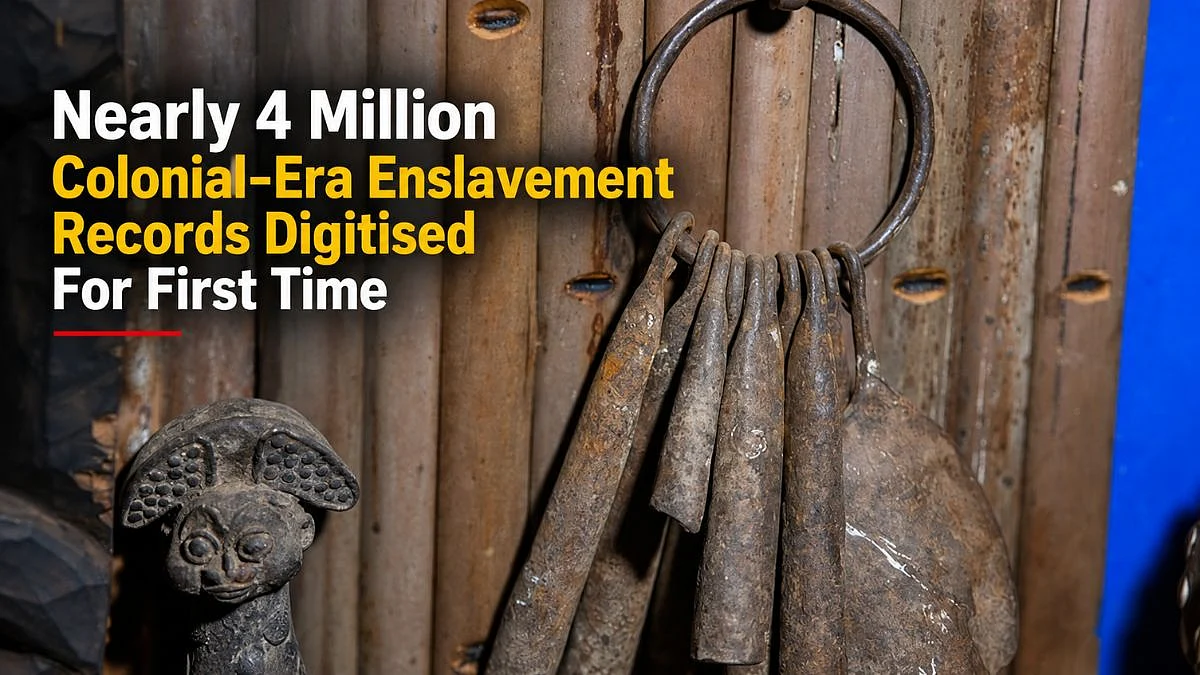
London, September 22, 2026: Nearly four million digitised records detailing the lives of enslaved people in former British colonies have been made searchable online for the first time. Genealogy platform Ancestry, in collaboration with UCL's Centre for the Study of the Legacies of British Slavery, has created the Former British Colonies Enslavement Registers.
Covering the period from 1813 to 1840, the collection includes 300,000 pages from former British colonies like the Bahamas, Barbados, South Africa, Jamaica, Mauritius, and Trinidad. The records contain vital information like names, ages, physical descriptions, family relationships, births, deaths, and transfers of ownership, along with details about a person's origins in Africa or the Caribbean.
Ancestry's senior story producer, Nicka Sewell-Smith, highlights how these records, originally created to count enslaved people as property, can now help descendants trace their family histories. The digitisation eliminates the practical need to visit physical registers at the National Archives in London, allowing for online searches by name.
This could benefit potentially millions of descendants who were unaware of their connection to the enslaved individuals in the archive. Professor Matthew J Smith, director of UCL's centre, describes the registers as the most systematic set of archival documents on British enslavement in the Caribbean and British colonial world. The collection's release follows the publication of the Register of British Slave Traders, which identified around 10,500 people who profited from the trafficking of enslaved Africans.
Historians are now pushing for more research focused on the lives and experiences of enslaved people rather than just those who owned or administered them. The registers, also known as T71, could transform historians' understanding of enslavement by providing names, ages, children, and other fine glimpses into the lives of the enslaved.
Some researchers have traced families across six generations in Jamaica, revealing stories of survival, resistance, and the search for freedom. The archive's potential extends beyond the Caribbean and Britain, as descendants of enslaved people can be found throughout the African diaspora, including in the US and Latin America.
Written by urgent.news from Free Press Journal's reporting — not their text. Machine-written — may contain errors; check the original before relying on it.