Moldova counted 39 Russian drone incursions in eight months, against 17 in all of 2025
Its president says three decades without air defense cannot be undone in five years.
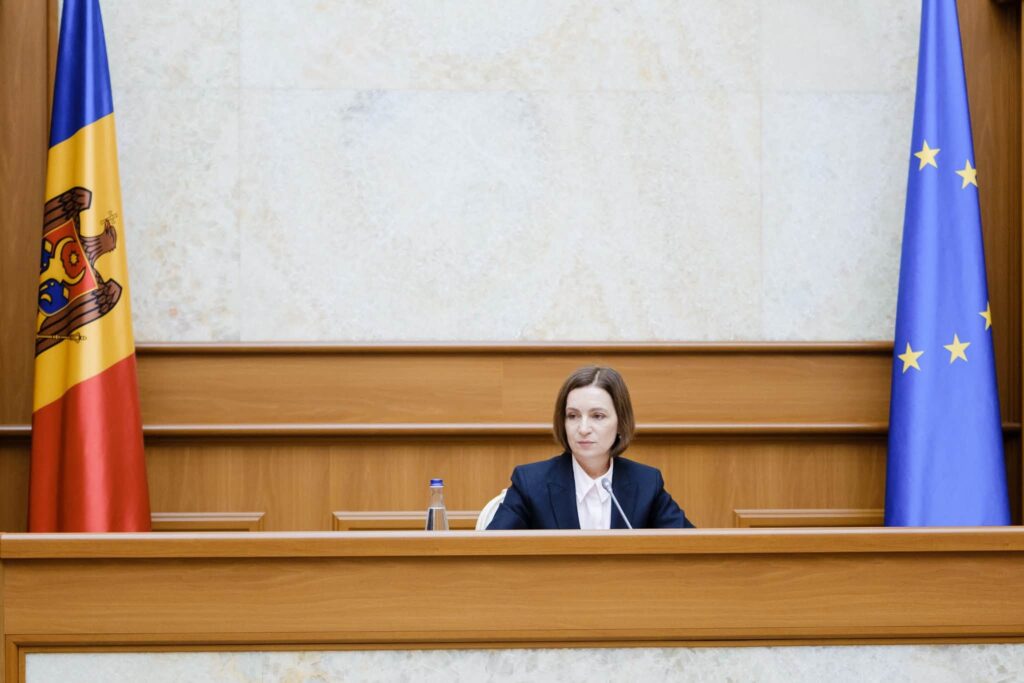
Since the beginning of 2026, Russia has sent 39 drones into Moldovan airspace, compared to 17 in the entirety of 2025, according to President Maia Sandu following a meeting of the National Security Council. The country's military is capable of defending individual sites but lacks the capability to repel drones, and Sandu emphasized the urgent need to speed up the construction of air defenses that Moldova hasn't invested in for three decades.
The council ordered enhanced protection for Moldova's energy facilities, which are vulnerable to drone attacks. Russia's drone war has extended beyond Ukraine's borders, prompting other nations to respond with available defenses. Poland, Italy, and Romania, among others, have taken measures to intercept drones entering their territories.
Moldova, unlike its neighbors, does not have an alliance or interceptors of its own, making it vulnerable to drone incursions. The country's military is equipped with portable anti-aircraft missiles, anti-aircraft machine guns, and electronic warfare equipment, primarily for protecting critical infrastructure. Moldova is in the process of extending the range of its air defenses and is seeking more modern and cost-effective solutions to neutralize drones.
The European Union has provided Moldova with €120 million to purchase a medium-range system, and the country is exploring other means to counter drone threats. Cooperation with regional countries is also being strengthened to share threat data more efficiently. However, interception remains a challenge for Moldova, as witnessed by Romania shooting down drones after they crossed Moldovan territory.
Moldova has temporarily withdrawn staff from border crossings due to the threat of Russian strikes, and a drone explosion near the capital, Chișinău, marked the country's most recent airspace breach. The government is still developing a system to warn the public about drones overhead, with the MD-Alert project costing €5 million.
In the meantime, Moldova relies on existing notification mechanisms. The National Security Council addressed various aspects of Moldova's security, including energy, gas reserves, fuel stocks, and cyber vulnerabilities, in its decision-making process.
Written by urgent.news from Euromaidan Press's reporting — not their text. Machine-written — may contain errors; check the original before relying on it.