Live updates: G7 foreign ministers demand Iran end its support for Houthi rebels in Yemen
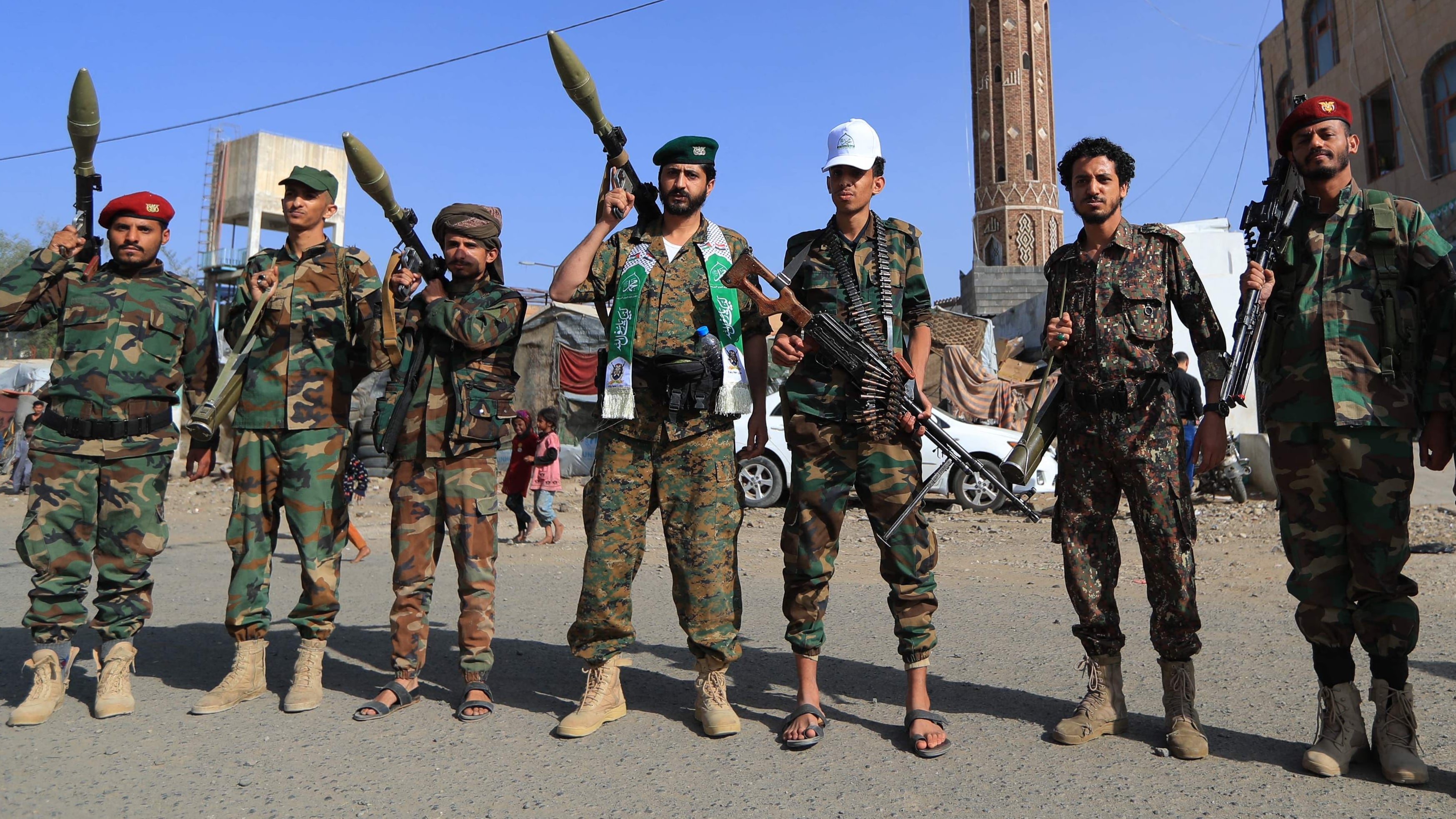
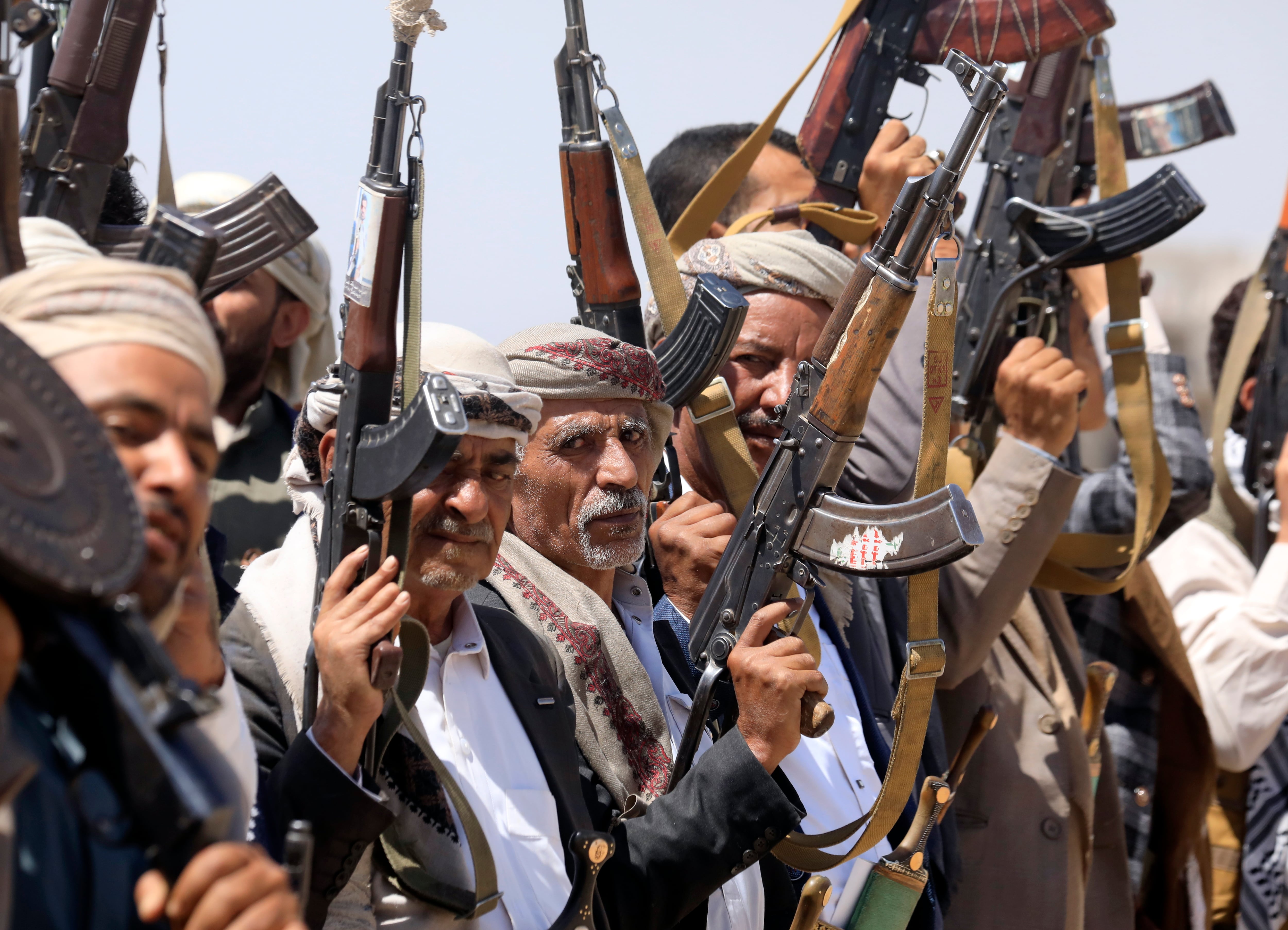
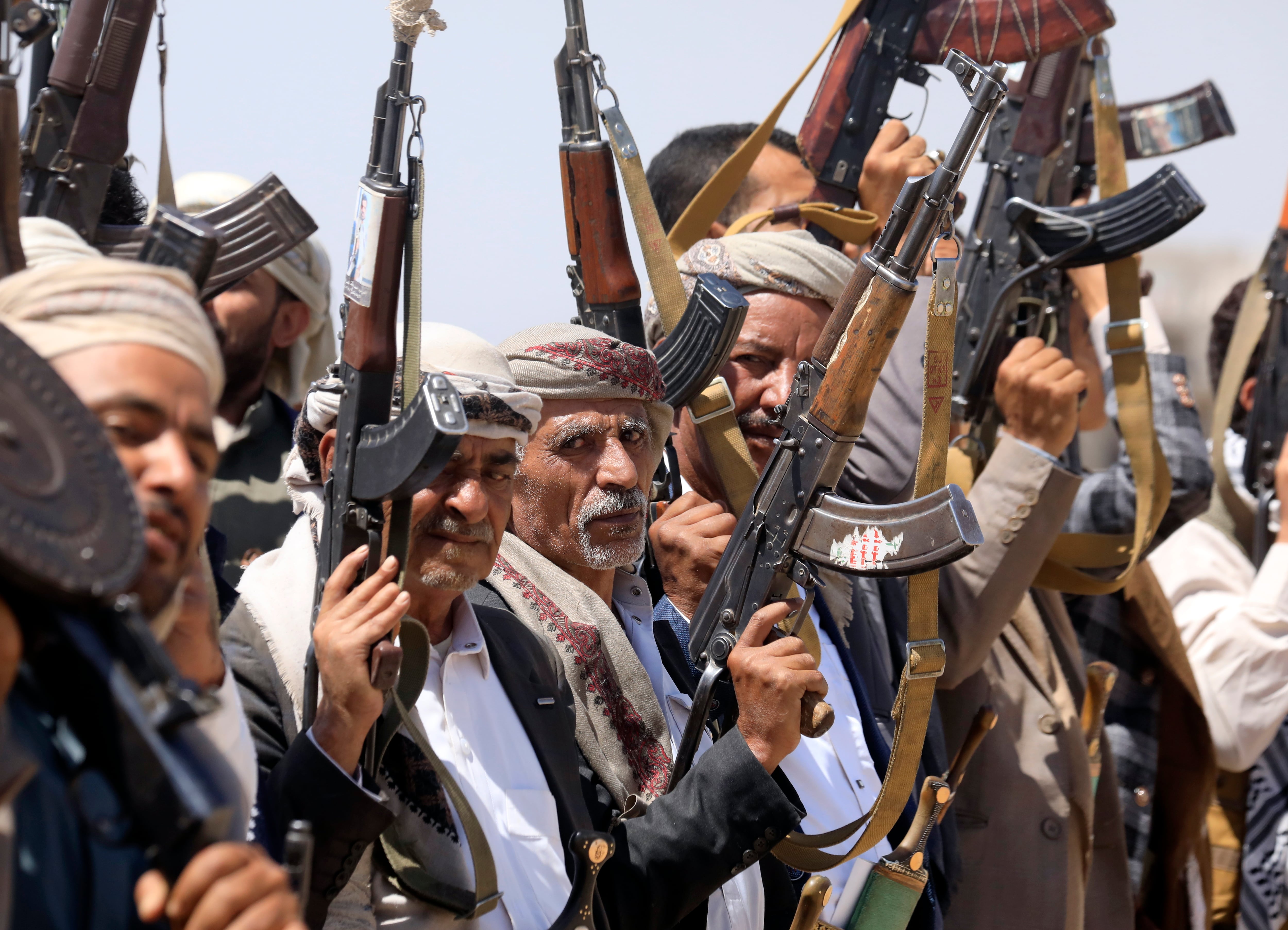
G7 foreign ministers have urged Iran to cease its support and arming of Yemen's Houthi rebels, asserting that the group's military actions jeopardize broader Middle Eastern stability and threaten international trade. The ministers from Britain, Canada, France, Germany, Italy, Japan, and the United States made the demand following a meeting on the sidelines of the United Nations General Assembly in New York.
They denounced ongoing Houthi strikes in Yemen and against Saudi Arabia, urging the movement to cease military operations, threats, and attacks on civilian shipping. Tehran's backing of the Houthis is seen as part of a dangerous escalation with repercussions extending beyond Yemen. The G7 called on the group to rejoin the political process in good faith, emphasizing maritime security amid intensifying fighting near the Red Sea and Bab el-Mandeb Strait.
This appeal follows Houthi forces expanding their presence along Yemen's Red Sea coast and launching missile and drone attacks against Saudi targets, raising concerns over shipping through the Bab el-Mandeb, a crucial maritime chokepoint connecting the Red Sea to the Gulf of Aden. While Iran has acknowledged political support for the Houthis, it denies directing their military activities.
Western governments and regional officials accuse Iran of providing the group with weapons, technology, and other assistance. The G7's statement did not introduce new sanctions or military measures against Iran or the Houthis, instead focusing on ending attacks, mitigating risks to commercial vessels, and rekindling political negotiations.
The pressure on Tehran has heightened as the broader regional dispute between Iran and the United States complicates diplomatic efforts over Yemen. Saudi Arabia has faced renewed Houthi attacks, with missiles and drones targeting Riyadh, while Saudi forces have retaliated with airstrikes against Houthi positions. This escalation has heightened international concerns about oil flows and merchant shipping, as Bab el-Mandeb is a vital route for vessels navigating between the Indian Ocean and the Mediterranean via the Suez Canal.
Disruption in this area could force ships to take longer, more expensive routes around southern Africa. European governments have intensified their focus on maritime protection, with the European Union's Aspides mission operating six warships to defend commercial shipping in the Red Sea, and EU foreign policy chief Kaja Kallas calling for more than 10 vessels to address the growing threat.
Britain has provided limited air-to-air refueling support for Saudi operations, describing it as defensive. The United States, despite earlier strikes against Houthi targets and designating the group as a foreign terrorist organization, has not committed to direct military support for Saudi Arabia in the latest fighting. Diplomatic channels remain active alongside military pressure, with US officials meeting Houthi representatives in Oman, where the group pledged to continue observing an arrangement protecting American vessels.
The humanitarian situation in Yemen is deteriorating, with United Nations agencies reporting hundreds of deaths and over 120,000 displaced due to the latest fighting, prompting the World Food Programme to expand its emergency response. The conflict has complicated access and forced families to move from areas near the front lines.
Written by urgent.news from Arabian Post's reporting — not their text. Machine-written — may contain errors; check the original before relying on it.
This story
This is one outlet's version. Read the fullest account.
- G7 calls on Iran to end its support for Houthis thenationalnews.com
- G7 urges Iran to halt Houthi support thearabianpost.com
- G7 condemns Houthi attacks on Saudi Arabia, urges Iran to cut support malaymail.com