Latvia blocks deal to remove Usmanov from EU sanctions list
The French push to remove Uzbek-Russian businessman Alisher Usmanov from the sanctions list was stopped by Latvia at the last minute.
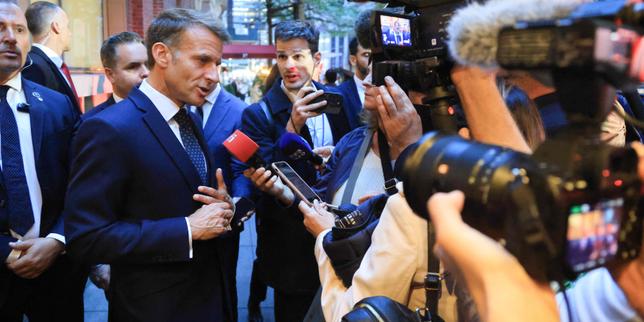
Latvia has resisted efforts to remove businessman Alisher Usmanov from the EU sanctions list, blocking a compromise deal endorsed by France. Prime Minister Andris Kulbergs stated in a video that as long as Russia continues its war, Europe must increase pressure rather than accommodate Moscow's preferences. France has linked Usmanov's removal to the release of two French citizens imprisoned in Azerbaijan, causing frustration among other member states.
Uzbekistan, Usmanov's birthplace, is believed to have played a role in facilitating the deal. Slovakia has also called for Usmanov's removal, though for distinct reasons.
To end the week-long stalemate, Ireland, currently holding the EU Council presidency, proposed a compromise on Monday that would remove Usmanov and another businessman, Mikhail Fridman, from the sanctions list but extend the entire regime for 36 months to avoid potential vetoes. The compromise was met with support, although many diplomats found it challenging to accept.
Ukrainian officials expressed their discontent on social media during the negotiations. Latvia was the sole country to reject the deal, preventing the necessary unanimity required for approval.
The sanctions are set to be renewed by the end of the day; otherwise, the list of 2,600 individuals, including Russian President Vladimir Putin, would disintegrate. Kulbergs indicated in his video that Latvia would collaborate with Brussels and Paris to find a suitable solution for Latvia's interests. He emphasized that extending sanctions for 36 months should be the appropriate step, but the price must not involve simply excluding Usmanov and Fridman from the sanctions list.
Kulbergs pledged to convene an emergency cabinet meeting on Tuesday to discuss the issue further. Foreign Minister Baiba Braže asked other countries, suggesting France, to clarify their positions.
Latvia, along with Lithuania and Estonia, has consistently supported a strategy of maximum pressure on Russia. The Baltic nation is set to hold parliamentary elections next month. The EU sanctioned Usmanov early in Russia's full-scale invasion of Ukraine, citing his close ties to President Putin and his investments in key sectors of the Russian economy that generate significant revenue for the state.
The 73-year-old businessman, with an estimated fortune of $16.6 billion, has denied the accusations and challenged the sanctions, which include a travel ban and asset freeze.
Written by urgent.news from Euronews's reporting — not their text. Machine-written — may contain errors; check the original before relying on it.