Konjunktur: Neuer Energieschock dürfte zu einer längeren Inflation führen
Neue Preissprünge bei Öl und Gas könnten die Inflation im Euroraum länger hoch halten, warnt EZB-Chefökonom Philip Lane. Bereits im Oktober ist eine weitere Zinserhöhung möglich.
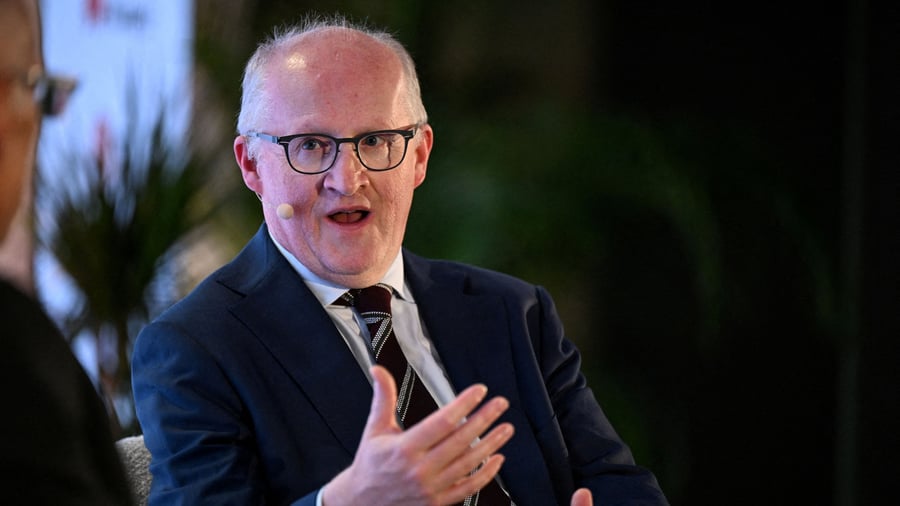
Frankfurt – The President of the European Central Bank, Philip Lane, has warned that rising energy prices could lead to a prolonged inflationary period in the Eurozone. Speaking to Le Temps, Lane explained that the current surge in energy costs, not only in oil but also in gas, is creating a second wave of price increases. He anticipates that this second wave will bring about higher and persistent inflation before easing towards the ECB's 2% target by mid-2027.
Lane added that this second wave of rising energy prices will put upward pressure on food prices, energy including electricity, and goods in general. He noted that only the services sector is expected to experience limited pressure.
Following the European Central Bank's decision to raise interest rates for the second time this month, in response to Iran's war causing energy costs to skyrocket, officials have already begun preparing for a possible further rate hike by a quarter percentage point in October. The ECB projects that inflation in the Eurozone will rise to around 4% in the coming months, with an average of 3% and 2.5% for this year and next, significantly exceeding the 2% target.
Lane pointed out that several positive factors, such as substantial public spending in certain European regions, including Germany's infrastructure and defense investment program, and the EU's NextGenerationEU plan, could support growth even in the case of a less severe shock. He also highlighted that while the center of artificial intelligence activities may not be in Europe, there are still enough companies operating in this sector to benefit the economy.
Lane concluded that their baseline scenario remains a steady but moderate growth for the European economy, provided the energy shock does not worsen.
Written by urgent.news from Handelsblatt's reporting — not their text. Machine-written — may contain errors; check the original before relying on it.