Is Startup Equity a Bad Deal?
Imagine joining a startup as employee number 10. Your salary is a bit below what the market pays for your role, but, in exchange, you get equity. How much? 0.25% of the company to be exact. You do the math in your head—if the company sells for $100M in a few years, you'll make $250,000. Not bad, right? Wrong, and for quite a few reasons. Once you take into account how startup equity typically…
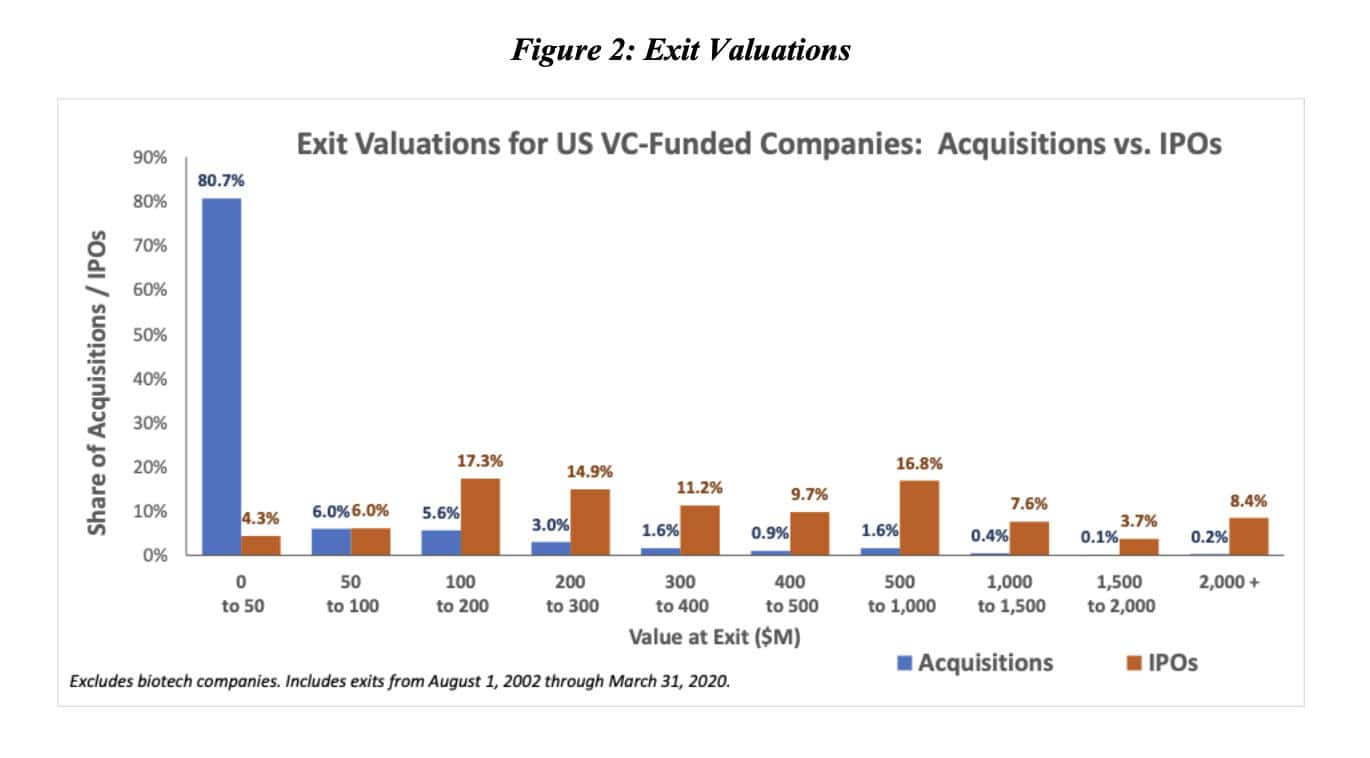
A common practice in startups is the allocation of equity to employees, often around 0.25% of the company. This may seem like a substantial stake, but its actual value can be significantly lower upon eventual sale or acquisition. Several factors contribute to this discrepancy. First, there's the issue of vesting. Typically, startup equity vests gradually over a four-year period, with a one-year cliff.
This means that if an employee leaves within the first year, they receive no equity at all. After the first year, the remaining balance is granted monthly, with the vesting rate being roughly 2.08% per month. Thus, an employee who leaves after two years would only retain half of their initial grant. Another factor to consider is dilution.
As startups raise additional rounds of funding, the total equity owned by all shareholders is typically reduced. This dilution can occur at rates of 20% for Series A, 15% for Series B, and around 10% in subsequent rounds. Consequently, our hypothetical 0.25% stake could shrink to approximately 0.15% after three rounds of dilution.
Additionally, liquidation preferences can further diminish an employee's share. When a company is sold or acquired, if the exit price falls below a certain threshold, the investors who provided the initial funding (venture capitalists) receive priority. For instance, if a startup raised $10 million for 50% of its equity, valuing the company at $20 million, and the company is sold for $15 million, the VCs would receive their original $10 million, leaving only $5 million for the founders and employees.
This scenario reduces the value of the employee's equity stake. Furthermore, there's the post-termination exercise period (PTEP), which is a critical timing issue. While equity vests over four years, many startups take considerably longer to exit. The median time to IPO for tech companies is around 11.5 years, according to PitchBook.
This means that even after an employee has left the company, they still have a limited window—typically 90 days—to exercise their stock options. If they fail to do so within this period, they forfeit their rights. The cost of exercising these options can also be substantial. The strike price is set at the time of hiring, based on the company's valuation.
Later employees face higher costs, sometimes exceeding five figures, which must be paid within 90 days of leaving. These immediate cash outlays, without any guarantee of recoupment, pose a significant financial burden. Lastly, there are tax considerations. Startup equity is subject to taxation twice: once at the time of exercising options, where the difference between the exercise price and the fair market value is treated as ordinary income, and again as a capital gain upon any subsequent appreciation.
These tax obligations can amount to approximately 73% of the total exercise cost for many employees. In our example, after accounting for dilution, liquidation preferences, the post-termination exercise period, exercise costs, and taxes, a seemingly generous 0.25% stake could ultimately leave an employee with a net gain of only $97,500—a 61% reduction from their initial expectations.
Therefore, while startup equity may appear attractive on the surface, the intricate mechanics and timing factors often result in a significantly diminished financial payoff.
Written by urgent.news from Of Dollars and Data's reporting — not their text. Machine-written — may contain errors; check the original before relying on it.