Indonesia's rainy season delayed to November as El Nino persists
JAKARTA: Indonesia is expected to experience a shorter than usual rainy season this year starting in November, the weather agency said on Tuesday, with the El Nino weather pattern to last until the first quarter of 2027.
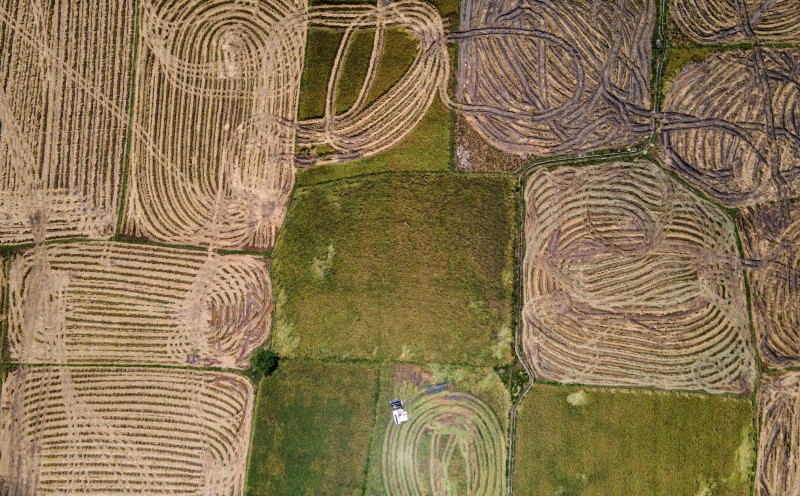
Jakarta, Indonesia is set to experience a shorter rainy season this year, starting in November, according to the country's weather agency. This is due to the prolonged El Nino weather pattern, which is expected to last until the first quarter of 2027. Previously, the weather agency had predicted the rainy season would begin in October.
About 61 percent of Indonesia's land area will be affected by the delayed rainy season, said agency chief Teuku Faisal Fathani at a press conference. Most regions in Indonesia, including parts of Kalimantan, Sumatra, Java, and Sulawesi, can expect the wet season to begin early November. The prolonged dry season has contributed to Indonesia's most severe wildfires in 11 years, with super El Nino weather driving up temperatures and causing droughts.
Between January and July, fires burned 202,000 hectares of land, while environmental group YKAN estimates an additional 600,000 hectares were affected in August. The weather agency has advised the food sector to adjust planting schedules and choose crop varieties with shorter growing cycles to prepare for the prolonged dry season.
The wet season is expected to peak in most parts of Indonesia in December, with heavy rain likely in January and February next year. The El Nino weather pattern remains strongly impacting most parts of Indonesia during September, and is estimated to last until the first quarter of 2027, though its impact on drought is expected to end when the wet season arrives.
Written by urgent.news from New Straits Times's reporting — not their text. Machine-written — may contain errors; check the original before relying on it.