IMANI Africa suggests ways to address the cocaine issues, says Ghana is undoubtedly a transit point
Take off the uniformed NACOC personnel parading freely at the ports. Who gave NACOC uniforms to wear?
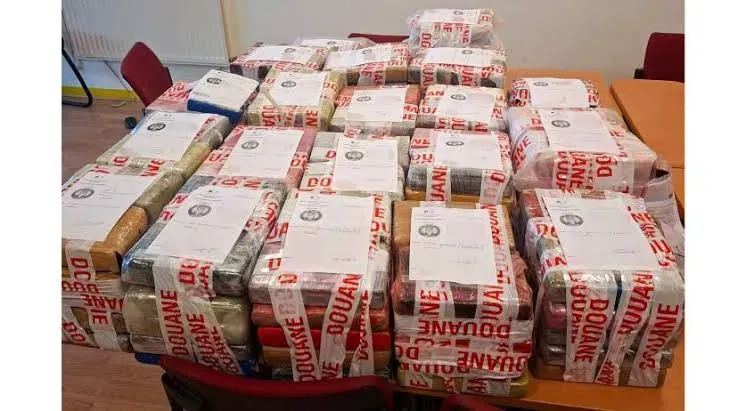
IMANI Africa, a policy think tank, has proposed measures to tackle the cocaine issue in Ghana. The organization recently highlighted the arrest of cocaine shipments leaving Ghana, emphasizing that these traffickers are part of international organized criminal networks, similar to terrorism. IMANI asserts that Ghana serves as a crucial transit point for these narcotics, with the "in" route equally important as the "out" route in the supply chain.
The think tank argues that systemic failures are more significant than political failures, and the real beneficiaries of these drug operations are the international organized criminals. IMANI suggests that focusing on the underlying systems rather than political parties would be more effective in addressing the issue. They emphasize that the problem is a network that spans from the seabed to space, and drugs themselves hold no value until consumed.
IMANI recommends closing off the supply chain by making it difficult for criminal networks to operate, and learning from global arrests to improve Ghana's strategies. They note that cocaine is often hidden in affluent areas, urging intelligence agencies to profile these high-risk locations and suggesting that Ghana Card data could be a valuable resource in this effort. The organization also criticizes the use of uniformed NACOC personnel at ports, advocating for undercover roles instead.
Additionally, IMANI points out the presence of non-flying personnel at ports, many of whom are off-duty security service members, rather than actively engaged in security duties. They propose that all personnel, whether on duty or not, should be clocked in at their headquarters to ensure better oversight. IMANI concludes by highlighting how the 2028 election season, with its long holiday period and reduced security, provides an opportune time for organized criminals to further their operations, particularly at ports and airports.
Written by urgent.news from 3News's reporting — not their text. Machine-written — may contain errors; check the original before relying on it.