How Kevin Warsh’s rate hike exposed a 2-speed U.S. economy, with AI and housing at the poles
He calls 2% inflation a "firm, fixed target," but a 10-year Treasury yield above 5% is pushing mortgage rates toward 7% and raising borrowing costs.
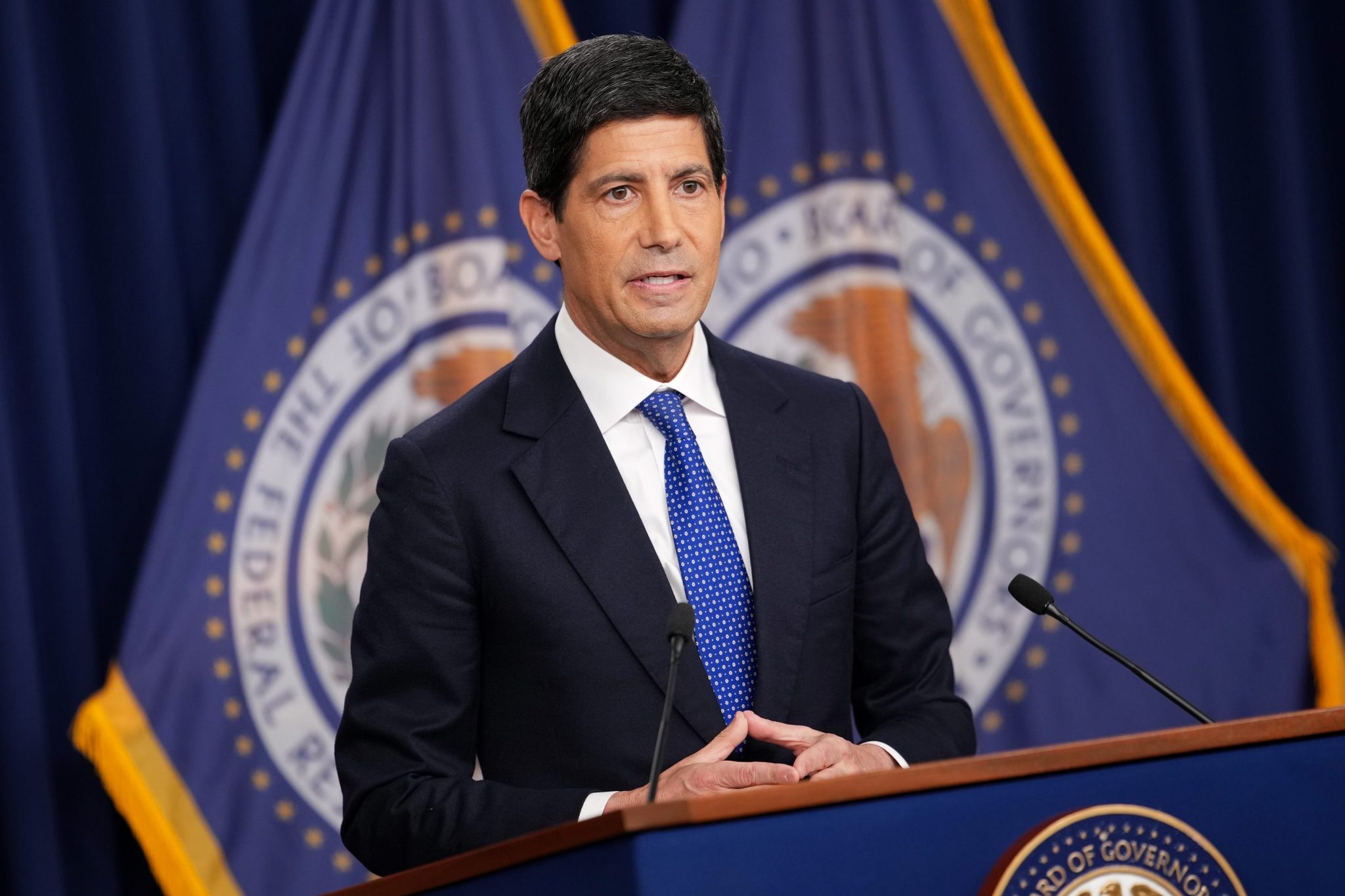
On September 16, 2026, the Federal Reserve increased its baseline interest rate, impacting borrowing costs across the U.S. economy. However, the Fed's decision highlighted a growing divide within the economy, with certain sectors more affected than others. The rate hike, by a quarter percentage point, will make borrowing more expensive, from mortgages to credit cards, while having little impact on sectors like artificial intelligence (AI).
The Fed's policymakers emphasized that the move was necessary to maintain credibility in fighting inflation, which they still consider elevated. Despite strong economic indicators, such as productivity, investment, and domestic spending, the housing market remains the weakest link, struggling under the weight of high mortgage rates and reduced affordability. At the same time, AI investment is booming, driving demand for data centers, computing capacity, and related infrastructure.
Higher interest rates will disproportionately affect sectors already grappling with financing costs, such as the housing market and credit card and auto debt. This is particularly evident in the housing market, where high mortgage rates are acting as a "lock-in" for homeowners who took out loans when rates were lower. Fewer home sales and less mobility among prospective buyers are expected as a result.
While the labor market remains robust, with the economy adding 162,000 jobs in August and the unemployment rate at 4.1%, long-term joblessness remains a concern. With over a quarter of unemployed Americans having been out of work for at least six months, consumers are left with higher financing costs and increasing challenges in accessing affordable housing.
The Fed's decision to raise rates reflects its commitment to restoring price stability, but the uneven impact on different sectors of the economy is a significant challenge that policymakers must address.
Written by urgent.news from Fortune's reporting — not their text. Machine-written — may contain errors; check the original before relying on it.