How industrial pollution from SIPCOT contaminated groundwater in 25 villages in Tamil Nadu’s Perundurai | Explained
Groundwater in 25 villages near SIPCOT Industrial Growth Centre in Tamil Nadu is deemed unfit for drinking due to contamination.
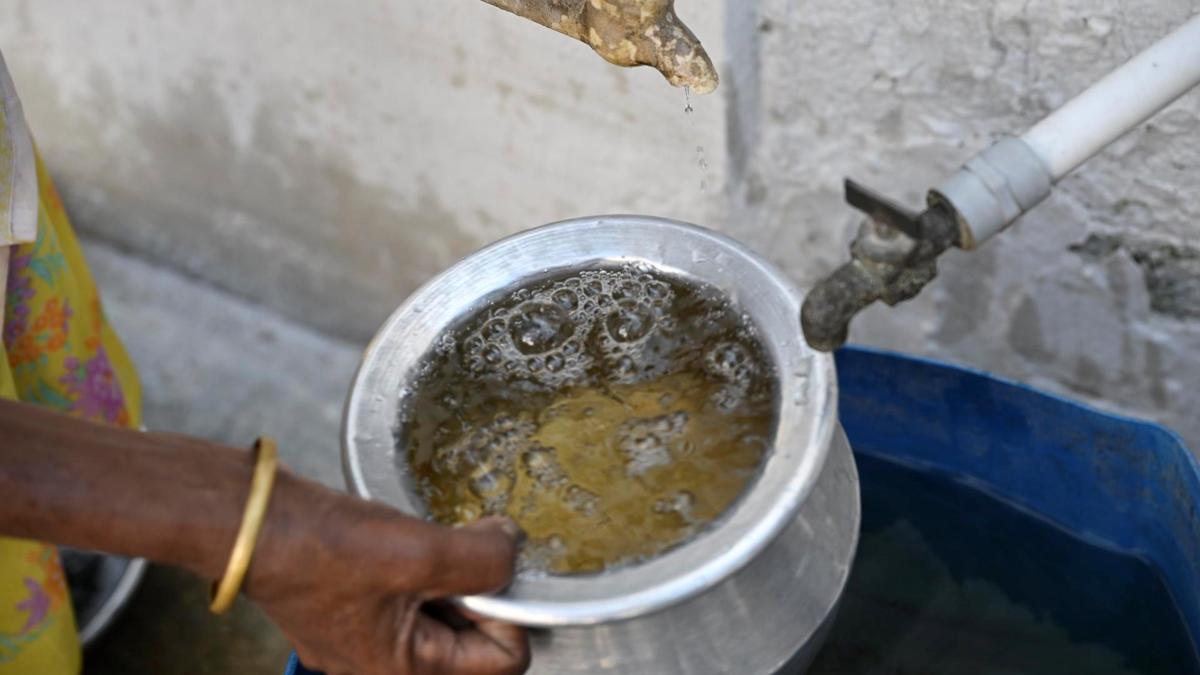
In recent years, groundwater contamination in villages surrounding the SIPCOT Industrial Growth Centre in Perundurai, Tamil Nadu, has been a growing concern. The Tamil Nadu Water Supply and Drainage Board recently reported that groundwater from 37 sources in 25 villages was found to be unfit for drinking. A ₹136.76-crore Common Effluent Treatment Plant is currently under construction to treat the contaminated seepage water and supply it back to industries. However, a long-term solution to the issue has yet to be established.
Established in 1991, the SIPCOT Industrial Growth Centre covers 2,700 acres and has grown into a major industrial cluster with over 250 industries, including 52 textile dyeing and processing units. Of these, 43 units possess individual Effluent Treatment Plants, while nine are connected to a Central Effluent Treatment Plant. The area has a history of tannery operations, with 23 tannery units previously operating in the region before being moved to SIPCOT.
Residents and farmers have long complained about polluted seepage from textile-processing units entering nearby water bodies, such as the Nallaa Odai, Odaikattur tank, and Punjai Palatholuvu tank. The Perundurai SIPCOT Affected People’s Welfare Association, formed in 2018, has been raising awareness about the issue through various forums.
Coordinator S. Chinnasamy claims that farmers used to rely on local water sources for agriculture until around 2005, after which they began noticing color changes and foul odors in the water.
Tests conducted by the TWAD Board found excessive levels of TDS, nitrate, iron, and total hardness in the groundwater. The contamination is believed to have spread to groundwater within a radius of about 10 km from the industrial estate, affecting drinking water sources, livestock, and agriculture. In response to the crisis, the district Collector directed TWAD to increase water supply to the affected villages.
A ₹40 crore Common Seepage Water Treatment Plant, based on Zero Liquid Discharge (ZLD) principles, was sanctioned by the state government in 2023. However, the project's effectiveness hinges on proper seepage collection, industry compliance with treatment requirements, and prevention of illegal discharge or bypassing of treatment systems.
The Tamil Nadu Pollution Control Board must monitor compliance and take action against illegal practices. The TWAD Board is also conducting hydrogeological and geophysical investigations to better understand the extent of groundwater contamination and the necessary remediation measures.
Written by urgent.news from The Hindu's reporting — not their text. Machine-written — may contain errors; check the original before relying on it.