Hasty stem cells highlight potential limitation with cortical organoids
The models recapitulate many key developmental processes, but some radial glial cells in mouse organoids make neurons earlier than they should.
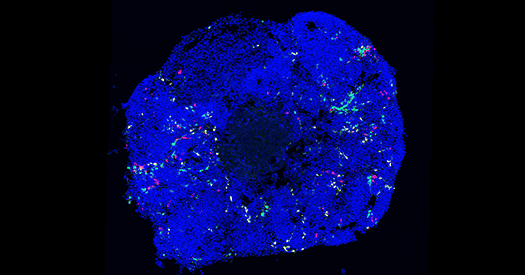
Recent research reveals a potential limitation of cortical organoids, hasty neural development. While these models capture many key developmental processes, some mouse organoids produced radial glial cells that generated neurons earlier than seen in vivo. Neural stem cells in organoids formed various cell types like those in the developing brain, but their self-organization didn't perfectly mimic the orderly development seen in actual brains.
Study investigator Simon Hippenmeyer, from the Institute of Science and Technology Austria, states that while the organoids' self-organization reproduces much of cortical development, it may not accurately replicate individual neural stem cell divisions and the neurons produced. Professor Flora Vaccarino of Yale University, not involved in the study, suggests that understanding the model's limitations could help researchers track radial glial development in human brain organoids to determine which features are conserved and which differ.
The findings highlight that even though the broad sequence of radial glial cell development is preserved, the precision at the minute scale is often missed in organoids. The researchers did not identify the cause of this discrepancy, but missing features of the stem-cell environment, such as blood vessels, microglia, and interneurons, may contribute.
Written by urgent.news from The Transmitter's reporting — not their text. Machine-written — may contain errors; check the original before relying on it.