Greater Bengaluru Authority launches e-Aasthi 2.0
Greater Bengaluru Development Minister Krishna Byre Gowda, who launched the system, said Bengaluru has more than 35 lakh properties, of which around 23–24 lakh property records have already been digitised and draft e-Khatas issued.
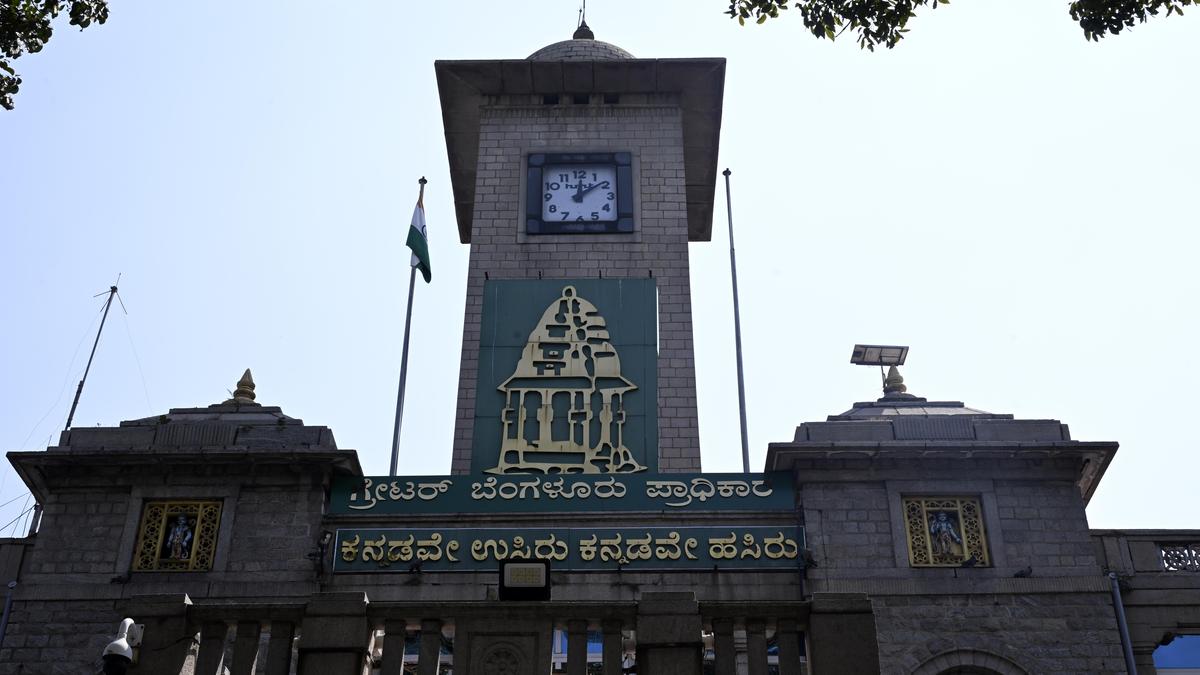
The Greater Bengaluru Authority (GBA) launched 'e-Aasthi 2.0', an enhanced property-record and e-Khata management system, on Tuesday (September 22). The upgraded system aims to streamline property-related services, minimize paperwork, and reduce the need for physical visits to government offices.
Bengaluru boasts over 35 lakh properties, with approximately 23-24 lakh property records already digitised and draft e-Khatas issued. Around 11 lakh property owners have already acquired their final e-Khata. The first version of e-Aasthi was introduced in the former BBMP in October 2024, with 25 lakh e-Khatas made available online.
e-Aasthi 2.0 has been developed in-house with a focus on improved user experience, automation, integration, and scalability. The platform enables citizens to access e-Khata services, submit applications, and track progress online. It also introduces digital workflows to tackle common issues such as errors in names, continuation of previous owners' names, and discrepancies in property extent.
The upgraded system supports multiple deeds related to a single property, including historical deeds before and after 2004. It also streamlines inheritance and mutation processes through authenticated data and integration with other government systems. One of e-Aasthi 2.0's key features is its integration with Kaveri, Bescom, and BWSSB, allowing for the seamless exchange of relevant registration and property information between government systems.
Mr. Krishna Byre Gowda, the Greater Bengaluru Development Minister, stated that the system aims to simplify, expedite, and enhance transparency for citizens. The GBA plans to introduce an online module for Khata bifurcation from September 28, enabling eligible property owners to apply online, upload necessary plans, and complete the bifurcation process digitally, subject to applicable rules and approvals.
The platform will also support new khata, bulk new khata, property bifurcation, and amalgamation through digital workflows, which will be rolled out in phases.
The GBA's ultimate goal is to create an integrated property-management architecture that encompasses the GBA and the five Bengaluru City Corporations. This integrated system will combine digitised and geo-referenced property records with property tax, urban planning, building-plan approvals, and datasets from Kaveri, Bescom, BWSSB, and other relevant sources.
Written by urgent.news from The Hindu's reporting — not their text. Machine-written — may contain errors; check the original before relying on it.