Government Capex Ignites A Wider Investment Cycle, Capital Formation Reaches 34 Per Cent Of GDP In Q1
New Delhi: India’s public capital expenditure push is drawing private investment, lifting capital formation, manufacturing capacity utilisation and industrial credit, Finance Minister Nirmala Sitharaman said. Gross fixed capital formation exceeded 34 per cent of GDP during Q1 FY27 and grew 12 per cent in real terms. Manufacturing capacity utilisation increased to 75 per cent. The Centre has…
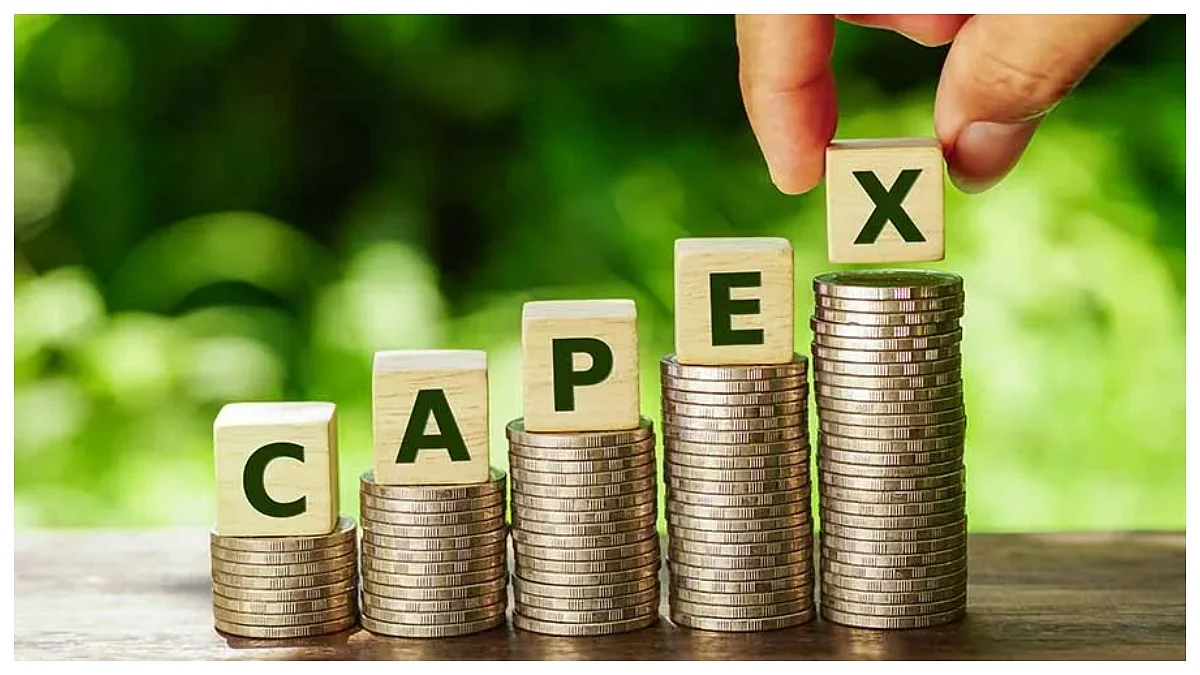
India's government spending on infrastructure and capital has surged, driving a broader investment cycle, according to Finance Minister Nirmala Sitharaman. In Q1 of fiscal year 2027, gross fixed capital formation exceeded 34% of the country's GDP, marking a 12% increase in real terms. The government has allocated capital expenditure of over ₹12 lakh crore for the fiscal year, with effective capital spending, including grants to states for asset creation, surpassing ₹17 lakh crore.
Sitharaman emphasized that this strategy aims to attract private investment and generate an economic multiplier effect. The twin balance sheet advantage, resulting from resolving the twin balance sheet crisis, has emerged, with commercial banks having liquidity to lend and companies possessing the capacity to invest. Bank credit to industry rose by 19% year-on-year in June 2026, signaling strong financing demand.
India's free trade agreements are facilitating access to markets for labor-intensive products and services, encouraging businesses to exploit these opportunities. The country's infrastructure and digital systems have significantly improved, with average turnaround time at major ports nearly halving over the past decade, and the railway network fully electrified.
Freight loading achieved a record 1,670 million tonnes. The digital infrastructure processed an average of 79 crore transactions daily during August 2026, showcasing the impact of technology on economic activity. Economic growth outlook for India has strengthened as reforms and rising household incomes reshape demand, with upward mobility expected to fuel discretionary consumption.
Sitharaman highlighted the replacement of the Mahatma Gandhi National Rural Employment Guarantee Act (MGNREGA) with the Vyapar Bandhu Gramin Awas Yojana (VB-G RAM G) with enhanced allocation. Despite global expansion remaining below 3% annually, India's economy continues to grow close to 8%. Additionally, India's long-term foreign and local currency issuer ratings were upgraded to A- by Japan Credit Rating Agency on September 2, 2026, marking India's first A-category sovereign rating in over 35 years.
Written by urgent.news from Free Press Journal's reporting — not their text. Machine-written — may contain errors; check the original before relying on it.