Gold losses altitude as peace hopes meet hawkish Fed bets
Gold (XAU/USD) price retreats from daily highs of $4,376 on Tuesday as US Treasury yields rise and the US Dollar continues to strengthen, with investors pricing in further Federal Reserve (Fed) tightening towards year-end. At the time of writing, XAU/USD trades at $4,337, down 0.14%.
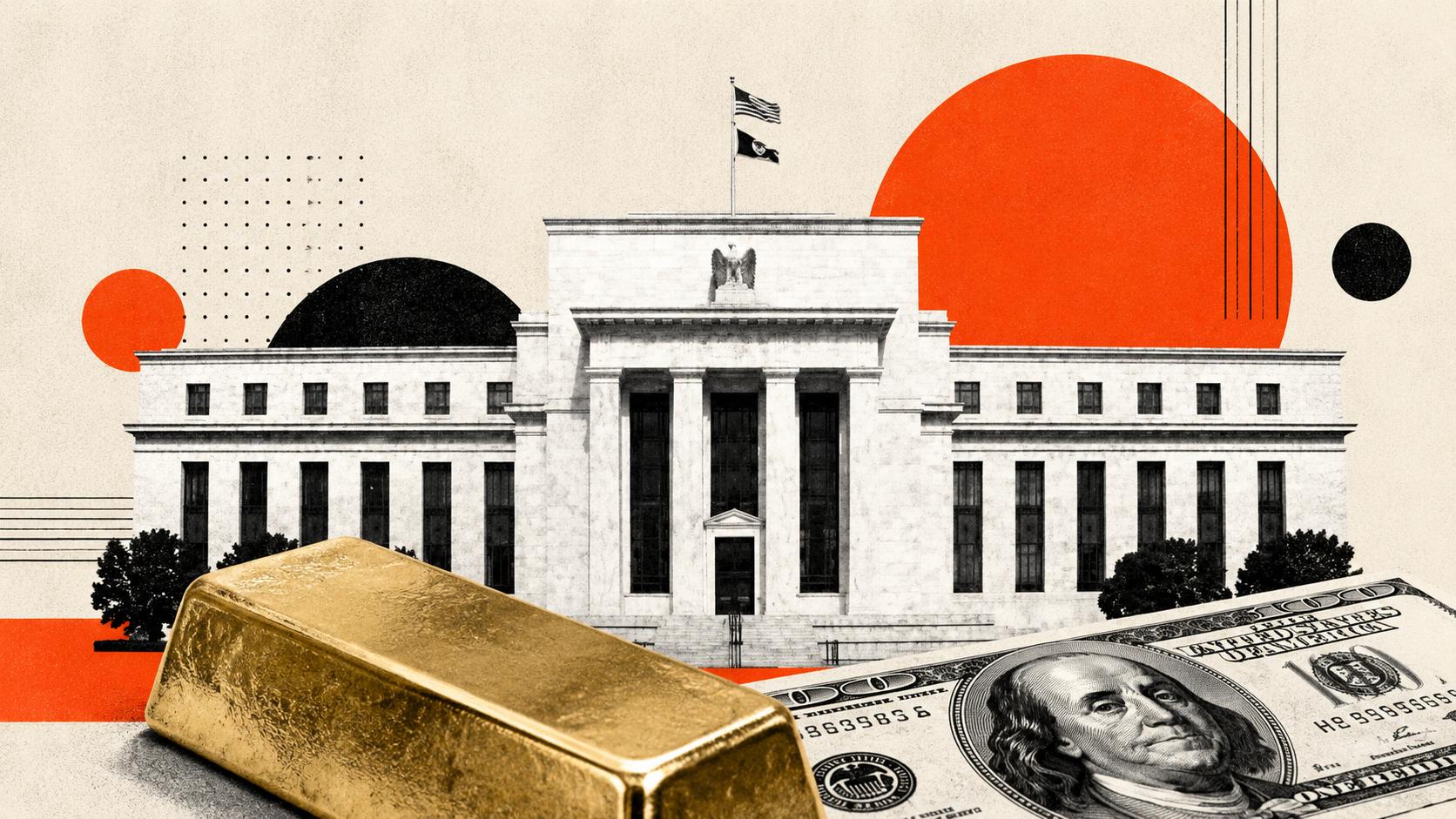
Gold prices have dipped from a daily high of $4,376 on Tuesday as rising US Treasury yields and a strengthening US Dollar bolster investor confidence in further Federal Reserve tightening until the end of the year. The price settled at $4,337, marking a 0.14% decrease. President Donald Trump announced a productive meeting between US and Iranian delegations, and claimed that Ukrainian President Volodymyr Zelenskyy and Russian President Vladimir Putin are discussing a resolution to the ongoing conflict.
Despite the Federal Reserve's rate increase last week, gold prices endured pressure due to hawkish statements from several policymakers. Richmond Fed President Thomas Barkin noted that inflationary pressures will take time to subside, possibly necessitating additional rate hikes to achieve the Fed's 2% objective. Earlier, Susan Collins, President of the Boston Fed, endorsed a rate hike and cautioned about heightened inflation risks, mentioning "an increased likelihood of future scenarios in which inflation remains notably above 2%."
Meanwhile, energy prices have slipped since the start of the week due to optimism about the resolution of the US-Iran conflict, but money markets still predict a 53% probability of a 25-basis-point rate hike by the Fed during the October 28 meeting. The chances of a rate hike in December, however, remain elevated at 90%, according to Prime Terminal.
The 10-year US Treasury yield has climbed by more than 1.6 basis points to 4.97%, indicating that investors anticipate the Fed to combat inflation. Consequently, the US Dollar Index (DXY), which measures the value of the American currency against its counterparts, has risen by 0.17% to 100.59. Although gold is traditionally viewed as an inflation hedge, it struggles to gain ground in high-interest-rate environments.
The US economic calendar includes several releases, such as the ADP Employment Change 4-week average (20K), S&P Global Flash PMIs, jobless claims, the University of Michigan Consumer Sentiment, and additional Fed speakers. Gold is drifting inside a 'bullish wedge,' potentially pushing the yellow metal towards the 200-day Simple Moving Average (SMA) at $4,541, but first, it must break through the resistance trendline near $4,382 before targeting $4,400.
Upcoming key psychological levels include $4,450 and the $4,500 mark. On the downside, XAU/USD's first support is the 100-day SMA at $4,316, with the 50-day SMA at $4,301 awaiting confirmation if decisively broken. Should the price fall further, the next support would be September's low of $4,235, followed by $4,200. Gold, historically considered a store of value and medium of exchange, is now widely recognized as a safe-haven asset, particularly during turbulent times.
It also serves as a hedge against inflation and currency depreciation, as its value is not tied to any specific issuer or government. Central banks, aiming to preserve their currencies during uncertain periods, typically diversify their reserves by accumulating gold to enhance the perceived strength of their economy and currency.
In 2022, central banks added 1,136 tonnes of gold worth around $70 billion to their reserves, the highest yearly purchase since records began. Embracing gold's inverse correlation with the US Dollar and US Treasuries, which are major safe-haven assets, investors can diversify their portfolios in times of turmoil. The price of gold can be influenced by various factors, such as geopolitical instability, fears of a severe recession, or a weaker US Dollar.
Written by urgent.news from FXStreet's reporting — not their text. Machine-written — may contain errors; check the original before relying on it.