Ghana Catholic Bishops demand urgent action against drug trafficking
The Ghana Catholic Bishops’ Conference has called for urgent, coordinated national action to combat illicit drug trafficking and abuse, describing the menace as a serious national concern and a profound moral crisis. The Bishops said the recent seizure of nearly 3.9 tonnes of cocaine in France, allegedly concealed in a container of plastic waste from […]
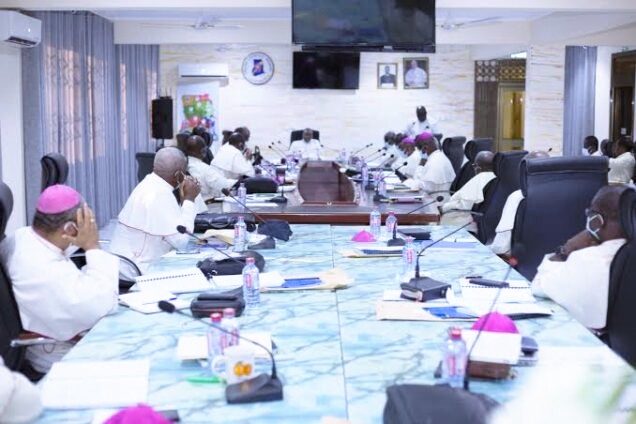
The Ghana Catholic Bishops’ Conference has appealed for immediate, unified national action against illicit drug trafficking and abuse, describing it as a grave national concern and moral crisis. They cited the recent discovery of nearly 3.9 tonnes of cocaine in France, concealed in a container of plastic waste originating from Ghana, as evidence of the urgent need for enhanced monitoring and accountability at Ghana's ports, airports, and borders.
In a statement, the Conference urged thorough investigations into how such a large consignment allegedly evaded detection through legitimate commercial channels. They praised the Narcotics Control Commission (NACOC) and other state agencies involved in the fight against drug trafficking but called for ongoing collaboration with French authorities to fully expose the trafficking network.
The Bishops welcomed President John Dramani Mahama's establishment of an inter-agency task force to address the movement of narcotics through Ghana's seaports, airports, and borders.
The Conference emphasized that the Dunkirk seizure should be seen as part of a broader national issue, noting other narcotics interceptions associated with Ghana in recent years. They expressed concern over the involvement of individuals in positions of trust, including public officials and, unfortunately, members of the Church. The statement warned that the fight against drug trafficking must include those who abuse public trust to facilitate the movement of illicit substances.
The Bishops called for investigators to focus not only on couriers but also on identifying the financiers and principal traffickers behind the trade. They argued that allowing couriers to be prosecuted while the networks that fund them escape scrutiny represents a critical failure in any credible national response to the drug problem.
Written by urgent.news from Adom Online's reporting — not their text. Machine-written — may contain errors; check the original before relying on it.