Germany’s politics have become unsustainable
German Chancellor Merz and the CDU face a severe political crisis following disastrous state election results and plunging approval ratings, says Helen Thomas “It was a disaster” said German Chancellor Merz after the results of two key German elections. If anything, that was an understatement. The CDU suffered the humiliation of falling below the five [...]
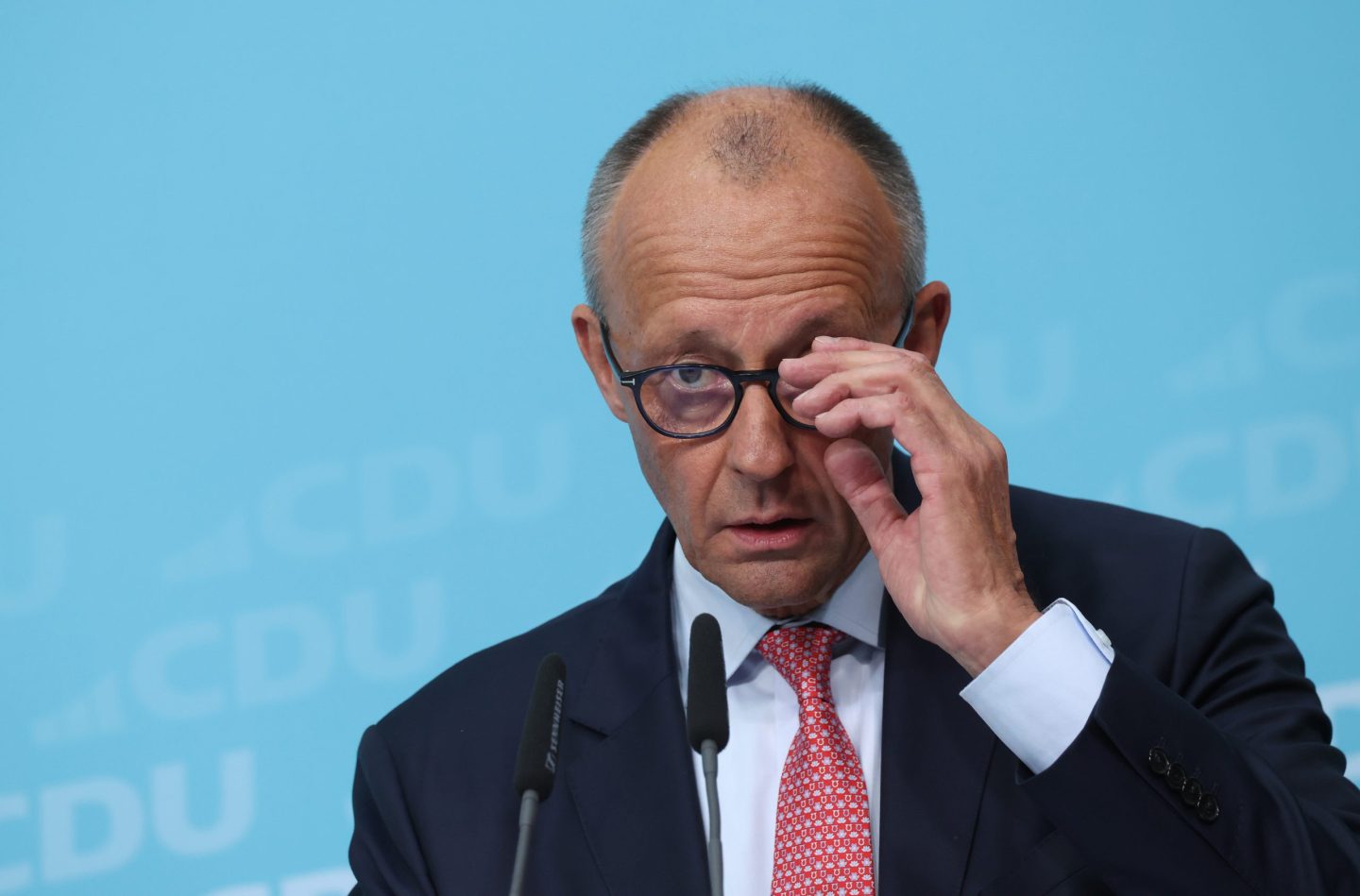
German Chancellor Olaf Merz and the Christian Democratic Union (CDU) are grappling with a major political crisis following poor state election results and declining public approval ratings, reports Helen Thomas. The CDU faced humiliation by failing to secure any representation in Mecklenburg-Western Pomerania and losing in Berlin to the radical Left, while the far-right Alternative for Germany (AfD) emerged victorious.
This electoral realignment, driven by disenchanted and fragmented voters, threatens the stability of Germany's traditional centrist parties. The German constitution aimed to prevent the instability experienced during the Weimar Republic, but its rigidity now struggles to accommodate such a shift. The CDU's coalition with the centre-left Social Democratic Party (SPD) has suffered due to the compromises required to maintain it, harming both parties in the polls.
Chancellor Merz's authority is severely weakened, making it difficult to resolve pressing issues like pension reform, high energy costs, and stagnant growth. Despite international praise for Merz's exemption of defense spending from Germany's debt brake, it came shortly after his victory in last year's election, which he rushed through the outgoing parliament before the newly elected Bundestag could convene.
This move angered voters, and Merz's approval ratings have plummeted to record lows. The situation may eventually force Merz out of office, with the CDU contemplating a "Chancellor swap." Resignation or a constructive vote of no confidence are the main options, but both are complicated due to the conservative nature of German politics and the need for a majority in the Bundestag.
The future remains uncertain, and the consequences could reverberate throughout the Eurozone, potentially impacting bond markets and inflation.
Written by urgent.news from City AM's reporting — not their text. Machine-written — may contain errors; check the original before relying on it.