From epidemics to organized healthcare
RIYADH — When King Abdulaziz began developing healthcare services, the challenge was not simply a shortage of hospitals.Disease itself posed a threat to communities.Epidemics were among the major health challenges facing the country, while organized medical services were limited. The annual arrival of pilgrims from different parts of the world added another dimension, making public health in…
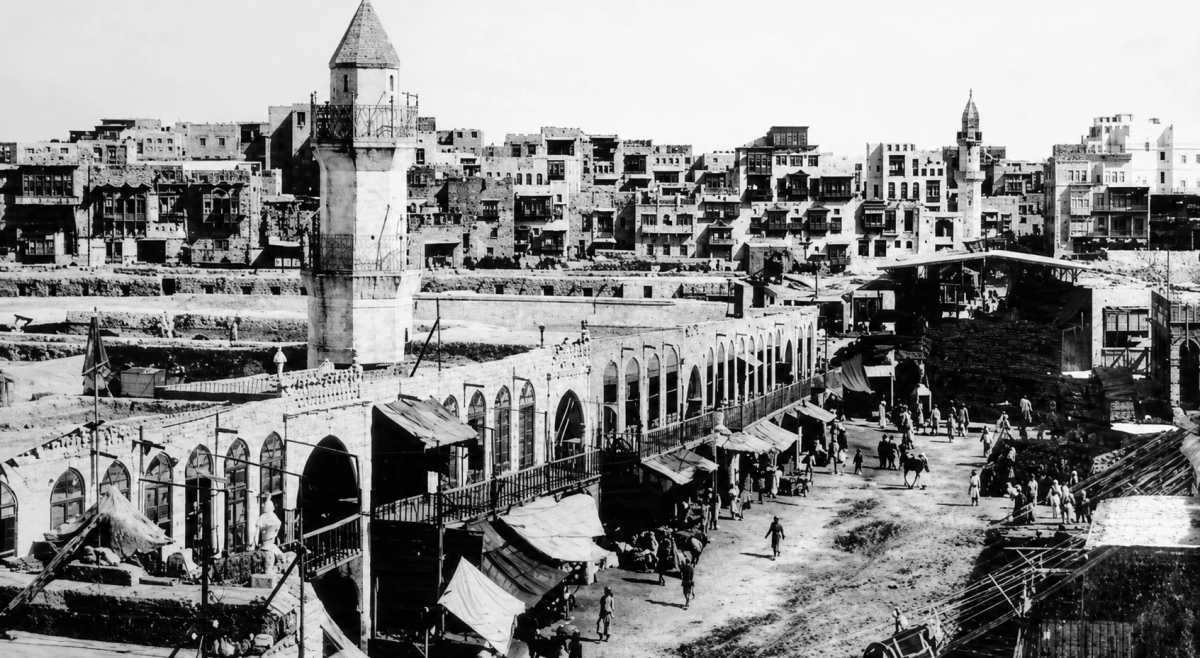
King Abdulaziz's visionary efforts in establishing healthcare services marked a pivotal moment in the nation's development. The challenge transcended the simple scarcity of hospitals, as disease posed a significant threat to communities. With the annual influx of pilgrims from across the globe, public health in Makkah and its holy sites became a matter of regional and global concern.
Realizing the importance of addressing these issues, King Abdulaziz placed healthcare at the heart of the state-building endeavor. In 1926, he took a decisive step by establishing the Public Health Department in Makkah. This new department was tasked with more than treating illness; it was responsible for public health affairs and providing medical care to the pilgrims, integrating prevention, healthcare administration, and Hajj medicine into an organized government system.
The selection of Makkah as the location for this department was significant. As a hub for pilgrims and residents alike, Makkah presented unique challenges in disease surveillance, sanitation, and access to treatment. By placing the department in this strategic location, King Abdulaziz ensured that the health needs of a diverse population were met effectively.
Recognizing the need for specialized medical expertise, King Abdulaziz sought medical professionals from abroad to bolster the emerging healthcare system. Simultaneously, measures were implemented to combat infectious diseases and improve overall health conditions. The objective shifted from merely responding to individual cases of illness to the state assuming responsibility for the health of its entire population.
This transformation was particularly evident during Hajj, one of the world's largest recurring movements of people. Protecting pilgrims required robust medical facilities, preventive measures, and organized supervision. Healthcare and pilgrim services developed hand in hand, reflecting the evolving needs of the nation.
As the country's demands grew, so too did the institutional structure of healthcare services. What began as a response to epidemics, limited medical resources, and the specific demands of the holy cities evolved into a comprehensive public service. The significance of this transformation lay not in any single hospital or clinic, but in the emergence of a fundamental idea: public health became a responsibility of the state.
Written by urgent.news from Saudi Gazette's reporting — not their text. Machine-written — may contain errors; check the original before relying on it.