Fertilizers: End the free pass for the merchants of death
Ever since the full-scale invasion of Ukraine in February 2022, the Russian fertilizer industry has had a sanctions-free pass. One can see why such a free pass was granted. When it came to Russian fertilizer exports, both the U.S. and the EU prioritized food security. They did not want to increase food prices and reduce food security by banning Russian fertilizer. While that was an understandable…
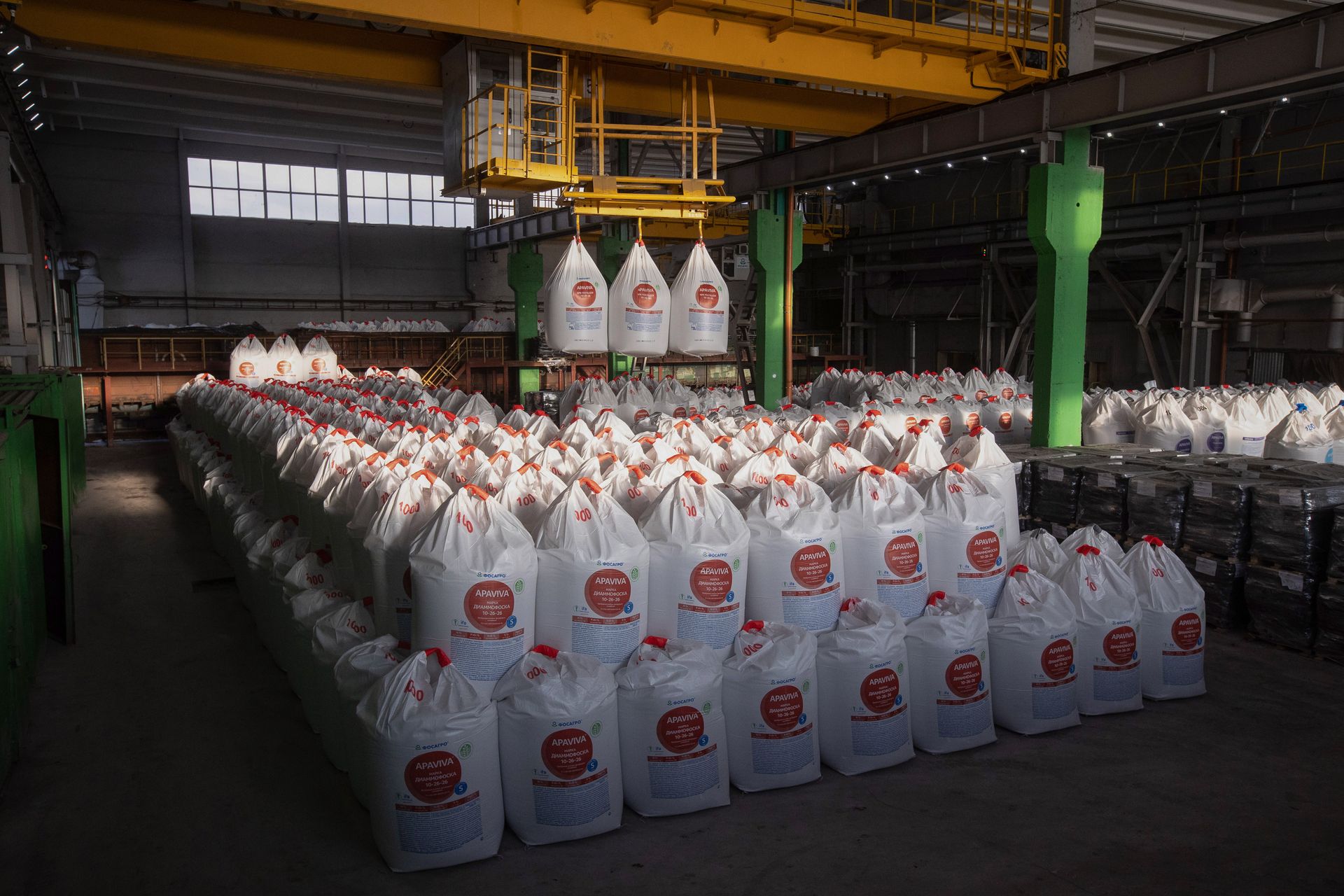
Since the start of Russia's full-scale invasion of Ukraine in February 2022, the Russian fertilizer industry has enjoyed a sanctions-free status. This leniency was understandable, as both the U.S. and EU prioritized food security. They did not want to escalate food prices or reduce food security by banning Russian fertilizer exports.
However, this free pass overlooked the role that fertilizer plays in munitions production, making it inherently dual-use and critical during wartime. The free pass has enabled and enriched the Russian fertilizer industry, providing the financial capacity to continue waging war, and supplying the Russian military with explosives for their attacks against Ukraine.
The most significant sanctions currently imposed on the Russian fertilizer industry are personal sanctions against key individuals. For example, Russian billionaire Andrey Melnichenko, founder of fertilizer producer Eurochem Group, and Dmitry Mazepin, a key figure in Uralchem, have both been subjected to personal sanctions. However, corporate sanctions on the companies themselves remain fragmented and are subject to loopholes.
The two principal producers of nitrogen-based fertilizers, Eurochem and Uralchem, have shipped large quantities of key products such as nitric acid and ammonium nitrate to Russia's munitions industry during the war. For instance, Eurochem shipped 5000 tonnes of nitric acid from its Nevinnomyssk Azot plant to the Russian munitions industry between 2022 and 2024.
This amount could be used to create the explosive filling for 500,000 large caliber shells. Despite the security threat posed by the Russian fertilizer sector, European and U.S. policymakers have largely focused on food security, ignoring the explosive capabilities provided by the fertilizer industry. The EU has only implemented limited progressive tariffs on Russian fertilizers since mid-2025, while the U.S. has no tariff or sanction regime at all targeting the fertilizer sector.
To address this issue, comprehensive Western sanctions should be imposed on both the individuals controlling the Russian fertilizer companies and the companies themselves, given their crucial role in supporting the Russian war effort and their close ties to the Russian leadership.
Written by urgent.news from Kyiv Independent's reporting — not their text. Machine-written — may contain errors; check the original before relying on it.