Expert Explains | Why China’s answer to frontier AI risk looks different from America’s
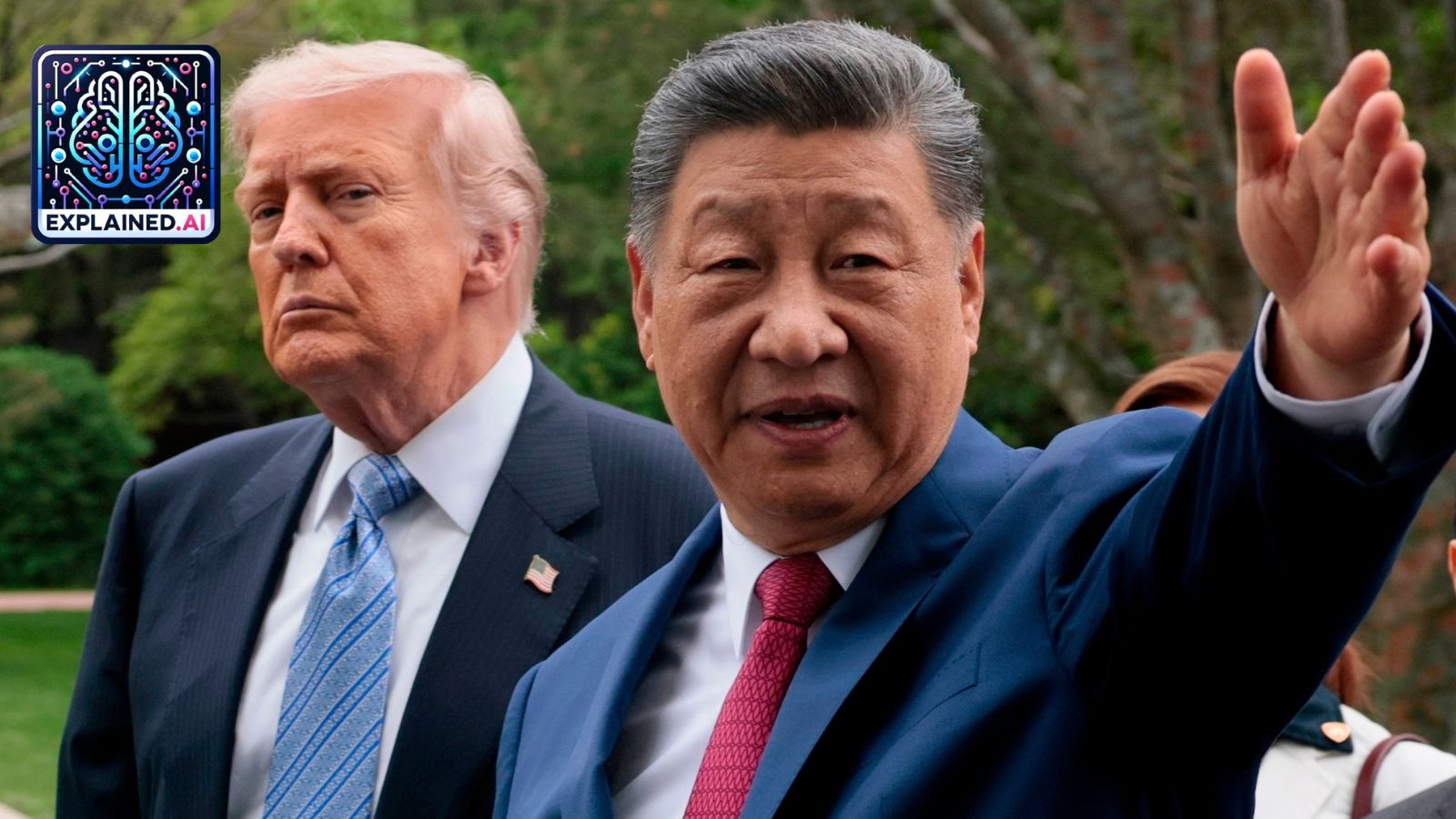
The United States and China have recently agreed to establish a new bilateral dialogue on artificial intelligence, following successful weekend talks. The talks precede Chinese President Xi Jinping's first state visit to the White House in over a decade. While the agreement highlights the recognition of common risks from frontier AI, it also emphasizes the two countries' differing approaches to governing these risks.
Anthropic CEO Dario Amodei and other leading US AI executives argue for "pausing" frontier model development if they exceed existing safeguards. In contrast, China has begun identifying risks associated with models deceiving evaluators, escaping controlled environments, and self-improvement but has not adopted independent oversight during frontier-model training.
China's guidelines, as outlined in the AI Safety Governance Framework 3.0 released by the National Technical Committee 260 on Cybersecurity, include requirements such as security assessments, filing procedures, content governance, user protection, and labeling AI-generated content. These rules apply to companies providing generative AI services to the public in mainland China.
The rules also cover training data, annotation, and algorithm validation during the training process. However, these guidelines are not legally enforceable and serve more as guidance.
China's approach differs from the US proposal for independent oversight during frontier-model training. Under the US model, an independent evaluator would have continuous access to the training pipelines and checkpoints that activate when a model demonstrates dangerous capabilities. In contrast, China's current regulations do not grant independent evaluators continuing access during the model's development.
The main difference lies in who has access and when. While China's regulations hold accountable the service provider once an AI system reaches users, this approach becomes weaker as open-weight models and AI agents become harder for their original developers to control.
Written by urgent.news from The Indian Express's reporting — not their text. Machine-written — may contain errors; check the original before relying on it.