‘Dismal’: Blow to Healey as government borrowing overshoots by billions
Chancellor John Healey has missed key targets on government borrowing ahead of his inaugural Budget after the UK borrowed more than economists forecast in August. The Office for National Statistics (ONS) said borrowing in August was £18.3bn, which was about £3.5bn above a prediction by the Office for Budget Responsibility and overshot market predictions. The [...]
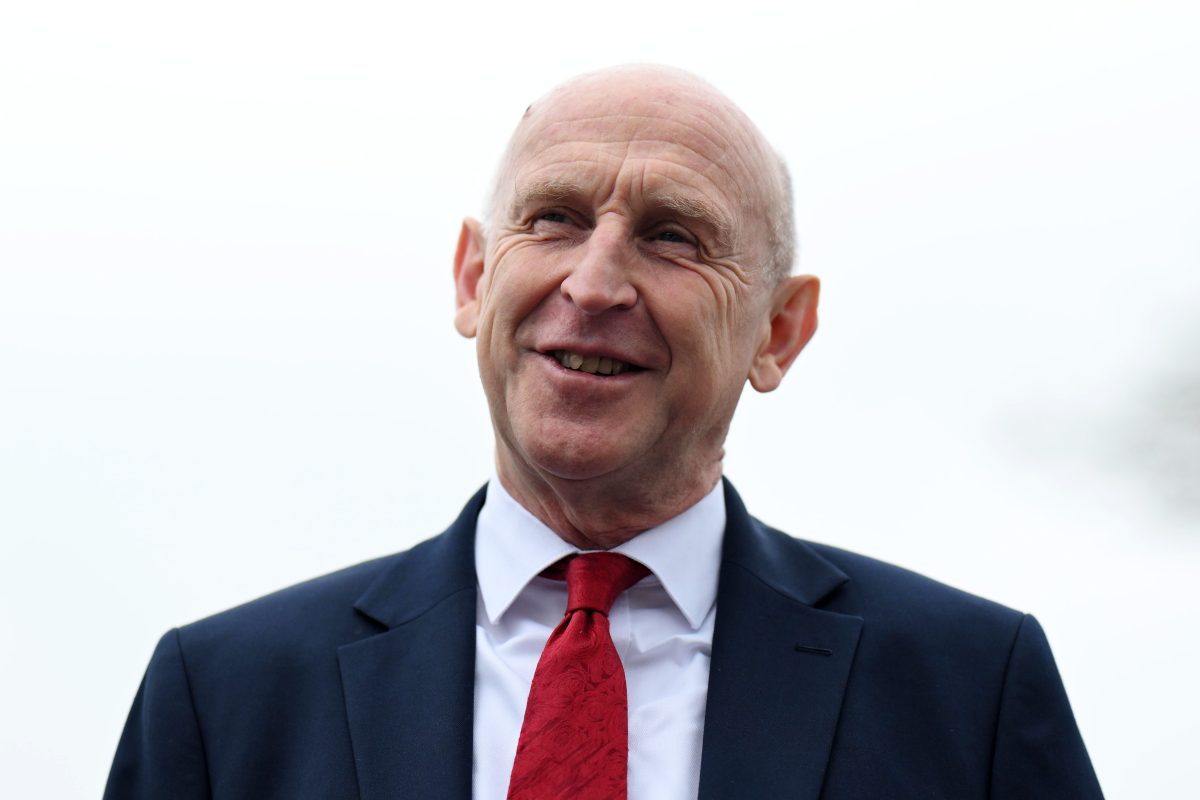
Chancellor John Healey's government has failed to meet key borrowing targets ahead of the inaugural Budget, with the UK borrowing £18.3 billion in August, significantly higher than expected. The Office for National Statistics (ONS) recorded that the public sector current budget deficit also exceeded forecasts, bringing the total borrowing for day-to-day government spending to £51.9 billion for the current financial year.
Despite remaining below the £3 trillion public debt milestone, borrowing challenges face Healey and Finance Minister Andy Burnham as the Budget approaches on October 28. Factors such as inflation and rising debt interest payments have contributed to the financial strain. Shadow Chancellor Andrew Griffith criticized the government, stating that it is "a rare fiscal incontinence" that the tax revenue is at a historic high while borrowing continues to surge.
Capital Economics' Ruth Gregory described the figures as "dismal," noting that the government has borrowed more than anticipated for five months. Gregory expects Healey to top up his fiscal buffer by up to £14 billion through tax increases or spending cuts to reach the same level of fiscal headroom as in March. The rising debt pile has drawn attention to the bond markets, with ten-year gilt yields increasing by around half a percent, partially reflecting concerns about the Bank of England raising interest rates due to the energy price shock from the Iran war.
The government faces additional pressures from potential revisions in migration, spending, and growth forecasts, which could shrink the £23.6 billion fiscal buffer available to Healey. Healey now needs to find ways to provide support for households and businesses amidst higher energy costs and raise defense spending to 3% of GDP by 2030, which could require finding an extra £11 billion annually through departmental cuts.
Written by urgent.news from City AM's reporting — not their text. Machine-written — may contain errors; check the original before relying on it.