Denver is opening more specialized classrooms as the number of students with the autism grows
The autism center at Denver’s West High School is twice as big as a typical classroom and more than half as empty. That’s intentional: These specialized centers are meant to have fewer students, more adults, and be a more versatile…
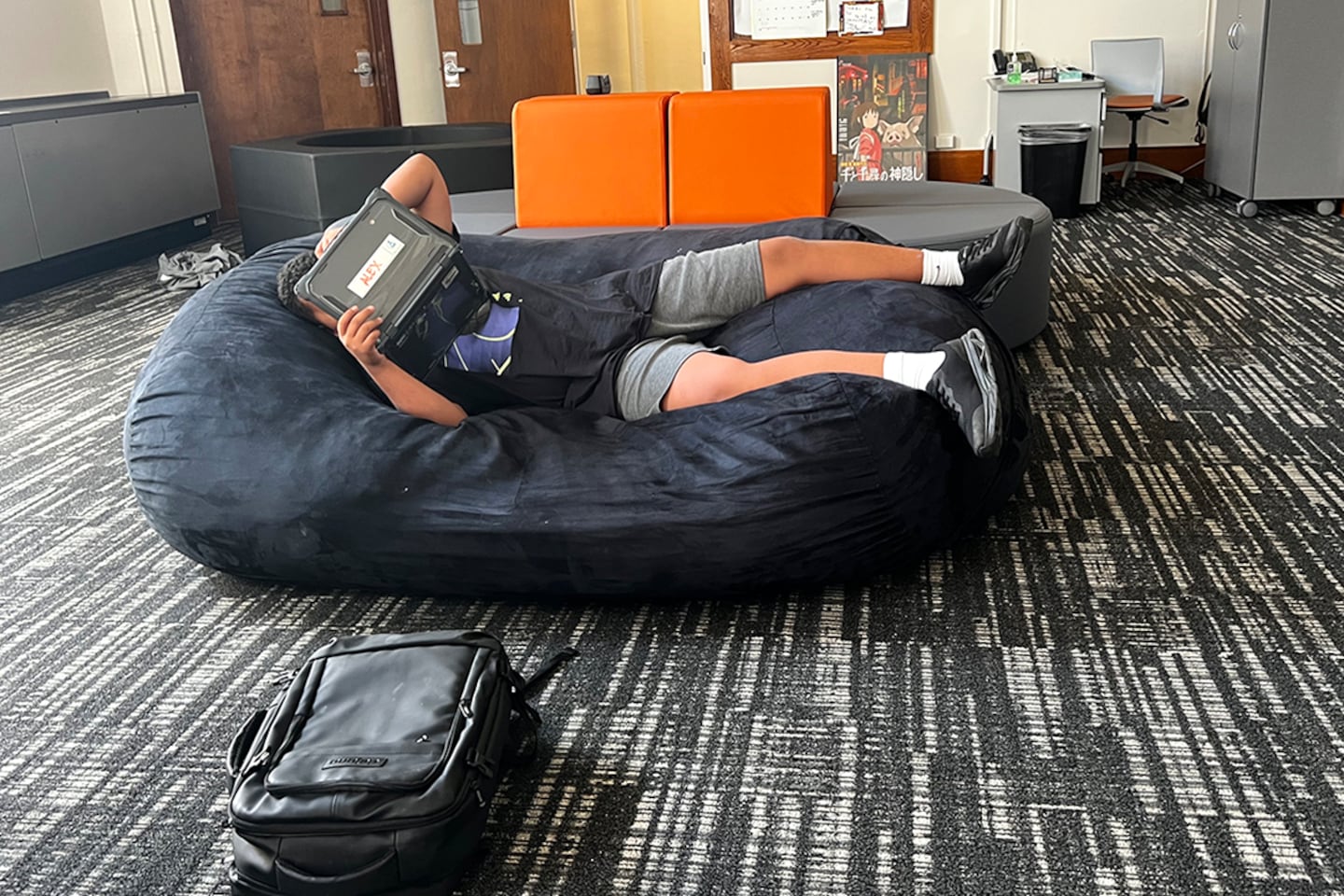
The number of students with autism in Denver Public Schools has increased by nearly 75% over the past five years, according to district data. This rise has prompted the district to open more specialized classrooms to provide better support for these students. The Denver West High School autism center, for example, is twice as large as a typical classroom and has fewer students, more adults, and a more versatile space.
These specialized classrooms, known as multi-intensive autism center-based programs, typically serve 8 to 12 students and are staffed by up to four adults. The classrooms are stocked with Play-Doh, fidget toys, and other tools to help students self-regulate. Students may participate in whole-class activities or work independently on a virtual reading program, depending on their individual needs.
The cost of these specialized programs is significant, with each classroom costing over $230,000. However, as the number of students with disabilities has remained high while overall enrollment has declined, the district is facing mounting financial pressure. A proposed tax increase on the November ballot aims to allocate $2 million for special education.
While some experts attribute the increase in autism diagnoses to better screening and a broader definition, the district's data shows a significant rise in the number of students with autism needing special education services. District officials began seeing an increase in placements for students in center-based programs about three years ago.
Enrolling students with autism in center-based programs is determined by their special education team, and district officials have seen a growing number of such placements. Some parents, like Ivy Rodriguez, have chosen these programs for their children who require intensive support. Rodriguez's daughter, Soly, is nonverbal and developmentally delayed but is making academic progress in her new center-based classroom.
However, critics argue that the goal is not to keep these children in separate classrooms indefinitely. Instead, they should receive intensive services initially and transition to general education with continued adult support. Pam Bisceglia, the executive director of Advocacy Denver, emphasizes that the ultimate aim is to help these students develop life skills and integrate into mainstream classrooms as they progress.
Written by urgent.news from Chalkbeat's reporting — not their text. Machine-written — may contain errors; check the original before relying on it.