Commentary: How concerned should Singapore be about food safety lapses abroad?
Singapore cannot close itself off to global food trade, so it must anticipate and detect risks before they arrive, says Paul Teng of ISEAS-Yusof Ishak Institute.
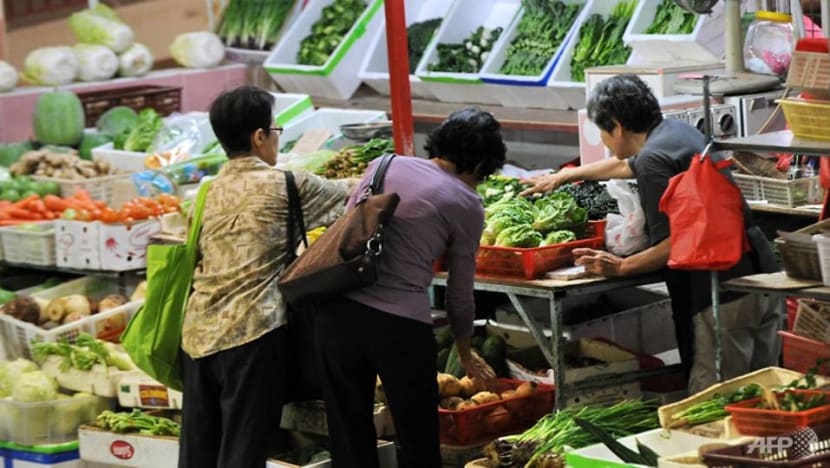
Singapore cannot isolate itself from global trade in food, so it must proactively identify and assess risks before they enter its borders, according to Paul Teng, a scholar at ISEAS-Yusof Ishak Institute. This concern was highlighted recently when it was reported that traders in Hebei, China, had illegally treated cabbages with formalin, a carcinogenic substance, to prolong their shelf-life.
In response, Singapore's food authorities took action, conducting enhanced surveillance and testing. While no formalin was found in the vegetables sampled, the incident brought up a wider question: how vulnerable are Singapore consumers to food safety issues arising from overseas sources, and what measures can be taken to mitigate these risks?
Singapore imports over 90% of its food, which makes it reliant on sourcing from more than 180 countries and regions. This geographical diversification is a strength when dealing with threats like plant and animal diseases, extreme weather, conflict, or export restrictions. However, it also presents challenges in ensuring the safety of food from diverse farming systems, climates, regulations, and food-safety cultures.
Each stage of the supply chain, from farm to retailer, presents opportunities for contamination. Potential hazards include bacteria, viruses, parasites, pesticide residues, undeclared allergens, toxins, and even deliberate adulteration.
Worldwide, around 866 million people fall ill from contaminated food annually, resulting in approximately 1.52 million deaths. Even countries with advanced food-control systems are not immune to these issues. In the United States, there have been recent investigations into E. coli associated with frozen blueberries and raw cheddar cheese, salmonella linked to eggs and jalapeno peppers, and cyclospora found in iceberg lettuce.
Singapore's food safety defenses begin before foods leave their country of origin, with potentially higher-risk foods like meat and eggs subject to source accreditation. In 2025, the Singapore Food Agency (SFA) approved new overseas sources for eggs, poultry, pork, and beef, subject to its regulatory framework. Continuous surveillance for contamination takes place post-importation, with the SFA employing a "farm-to-fork" approach to oversee imports, primary production, local manufacturing, and food retail.
The agency tests over 6,000 food samples from retail outlets each year, assessing risks based on food safety incidents, reports of non-compliance, and test results.
Despite the effectiveness of the SFA's measures, a critical question remains: can we anticipate and detect risks we aren't even looking for? With limited resources, it's impossible to test every shipment for every conceivable hazard. A comprehensive food-safety system must therefore balance conventional inspections with international intelligence-sharing, rapid outbreak information exchange, improved traceability, and advanced data analytics.
Such a system also requires strong networks with national and international bodies, leveraging artificial intelligence and improved laboratory capabilities.
While Singapore cannot achieve completely safe food due to its heavy reliance on imports, it aims to have multiple layers of protection. These include reliable overseas suppliers, surveillance and testing, international information exchange, and responsible food handling by retailers and consumers. The greatest vulnerability, therefore, is not in imports we already know about, but in emerging hazards that we have not yet learned to test for.
As Paul Teng points out, the best defense is to not isolate ourselves from global food trade, but instead become better at anticipating and detecting risks before they reach us.
Written by urgent.news from CNA - Singapore's reporting — not their text. Machine-written — may contain errors; check the original before relying on it.
This story
This is one outlet's version. Read the fullest account.
- Commentary: How concerned should Singapore be about food safety lapses abroad? channelnewsasia.com