Climate, conflict and the struggle for resources: Why peacebuilding must look beyond the battlefield
Climate change is often described as an environmental challenge. But for communities facing drought, floods, declining harvests or water shortages, its consequences are immediate. They affect livelihoods, food prices, migration and community stability.
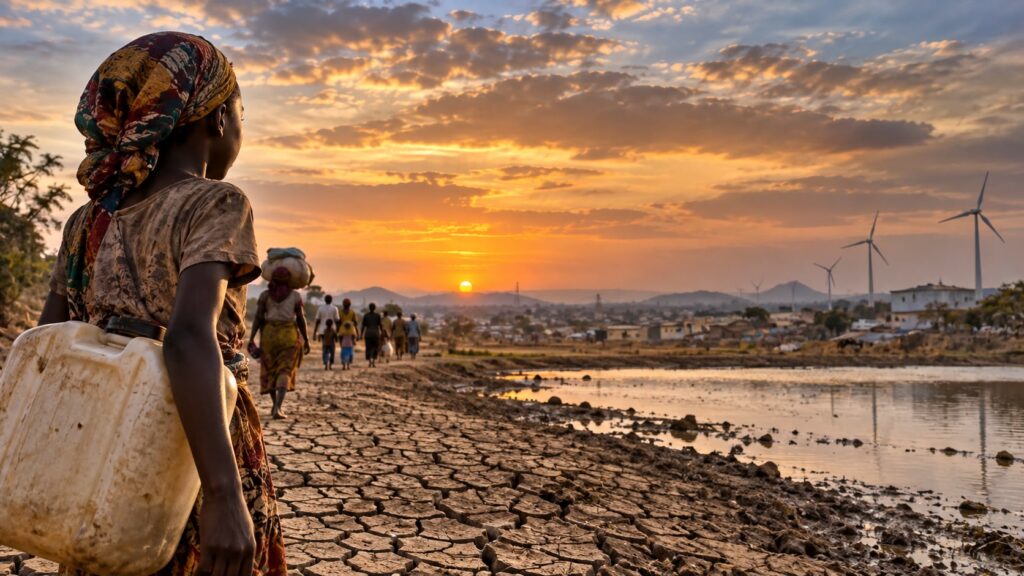
Climate change is more than just an environmental issue. For communities struggling with drought, floods, falling harvests, or water scarcity, its effects are felt instantly. These changes impact livelihoods, food prices, migration patterns, and community stability. Climate change alone does not spark conflict, but in regions already tense, the pressure on land, water, and food becomes harder to manage.
This presents a significant challenge for peacebuilding efforts. For many years, preventing conflicts has centered on diplomacy, political talks, and security organizations. While these approaches remain vital, sustainable peace also hinges on how societies handle the resources they depend on daily. Water is a prime example. Rivers, lakes, and underground water sources often span national boundaries, while agriculture, industry, and households rely on consistent water supplies.
Competing over water doesn’t have to lead to conflict; with proper agreements, shared resources can promote cooperation among nations.
Food security is another pressing issue. Severe weather can disrupt farming, affect household incomes, and raise food prices. Communities with fewer resources face greater challenges when such shocks occur. Displacement adds another layer of tension. When individuals flee their homes due to environmental or economic reasons, the receiving communities may encounter additional demands on housing, employment, and public services.
However, the climate-security connection isn't solely about risk. It also offers opportunities for collaboration. Governments can work together on water management, climate-resilient farming, renewable energy, and infrastructure. Such projects can safeguard livelihoods while fostering cross-border cooperation. Peacebuilding must shift towards prevention.
Governments and international bodies need to identify vulnerabilities before they escalate into crises. Local communities should also play a role in decisions concerning their resources. The private sector can help by investing in resilient infrastructure, clean energy, and sustainable agriculture.
The key challenge lies in addressing environmental pressures before they morph into broader social and security problems. The crucial takeaway is that security cannot be divorced from the conditions of people’s lives. Building peace in the coming years will demand more than just negotiating ceasefires. It will also require tackling the environmental and economic pressures that can leave communities vulnerable. Climate action and peacebuilding are inherently linked.
Written by urgent.news from MyJoyOnline Ghana's reporting — not their text. Machine-written — may contain errors; check the original before relying on it.