China breaks ground on the world’s first supercritical CO2 and molten salt energy plant
China has broken ground on the world’s first utility-scale combined supercritical carbon dioxide power generation and molten salt energy storage project, which could help reduce energy waste and improve grid stability. On September 16, construction began on the Ruitan demonstration project at China Huaneng’s Bajiao power station in Yantai. The project in Shandong province, eastern China, is…
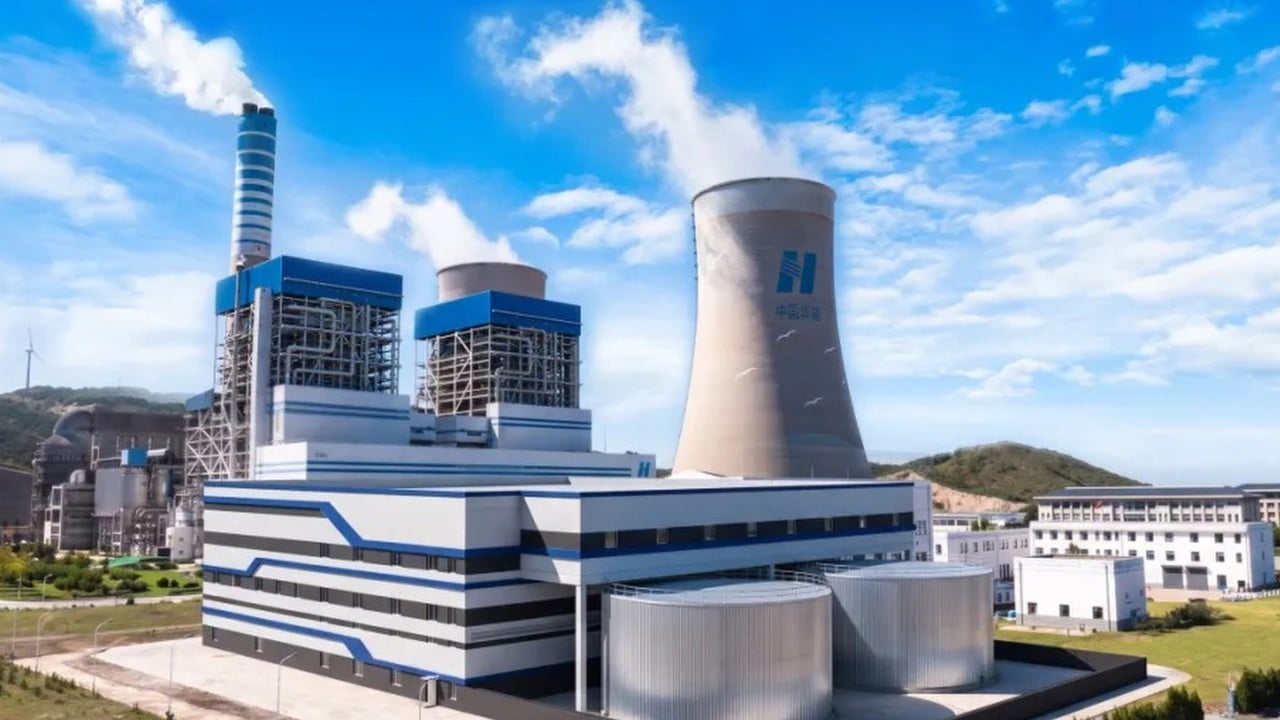
On September 16, China broke ground on the world's first utility-scale combined supercritical carbon dioxide power generation and molten salt energy storage project at China Huaneng's Bajiao power station in Yantai, Shandong province. The project, expected to go live next year, aims to reduce energy waste and improve grid stability.
During low-demand periods, surplus electricity from the plant's existing coal power units will heat molten salt. When demand peaks, the stored heat will power a 50-megawatt supercritical unit that uses carbon dioxide instead of steam to produce electricity. The project features a 100-megawatt molten salt energy storage system with a 400-megawatt-hour capacity.
Traditional power plants burn fuel to heat water into steam, driving a turbine to generate electricity. In contrast, supercritical systems use dense carbon dioxide held at critical temperature and pressure, which powers a turbine directly and recirculates in a closed-loop system. These plants are smaller, more efficient, and produce fewer carbon emissions.
Their turbines adjust more rapidly between zero and maximum load. The world's first commercial supercritical carbon dioxide power generation project, Chaotan One, began operation at the end of last year, using waste heat from a steel production plant. Unlike battery storage, molten salt storage stores excess energy as heat, offering cost advantages and suitability for large-scale projects.
The China National Nuclear Corporation, which developed Chaotan One, plans to integrate molten salt storage and supercritical power generation by 2028. Other projects, like the SOLARSCO2OL EU initiative, aim to develop similar combined units.
Written by urgent.news from South China Morning Post's reporting — not their text. Machine-written — may contain errors; check the original before relying on it.