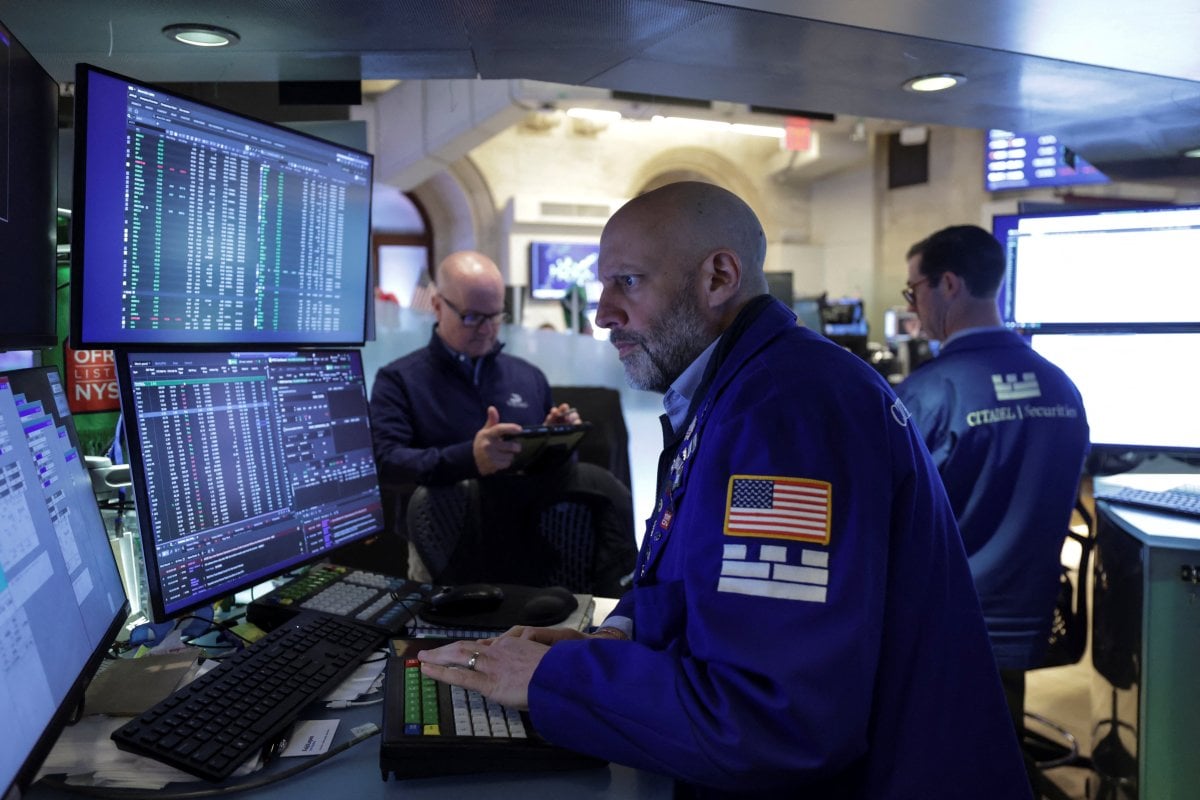
As Buffett exits, can China win back Wall Street with own brand of his winning formula?
China is betting that patient capital, rather than quick trades, will define its next phase of growth – a wager that has taken on new resonance since Warren Buffett stepped down last week after growing Berkshire Hathaway into a US$1 trillion empire over six decades. And as global investors watch this week’s US-China leadership summit for any sign of easing friction, one question is whether…
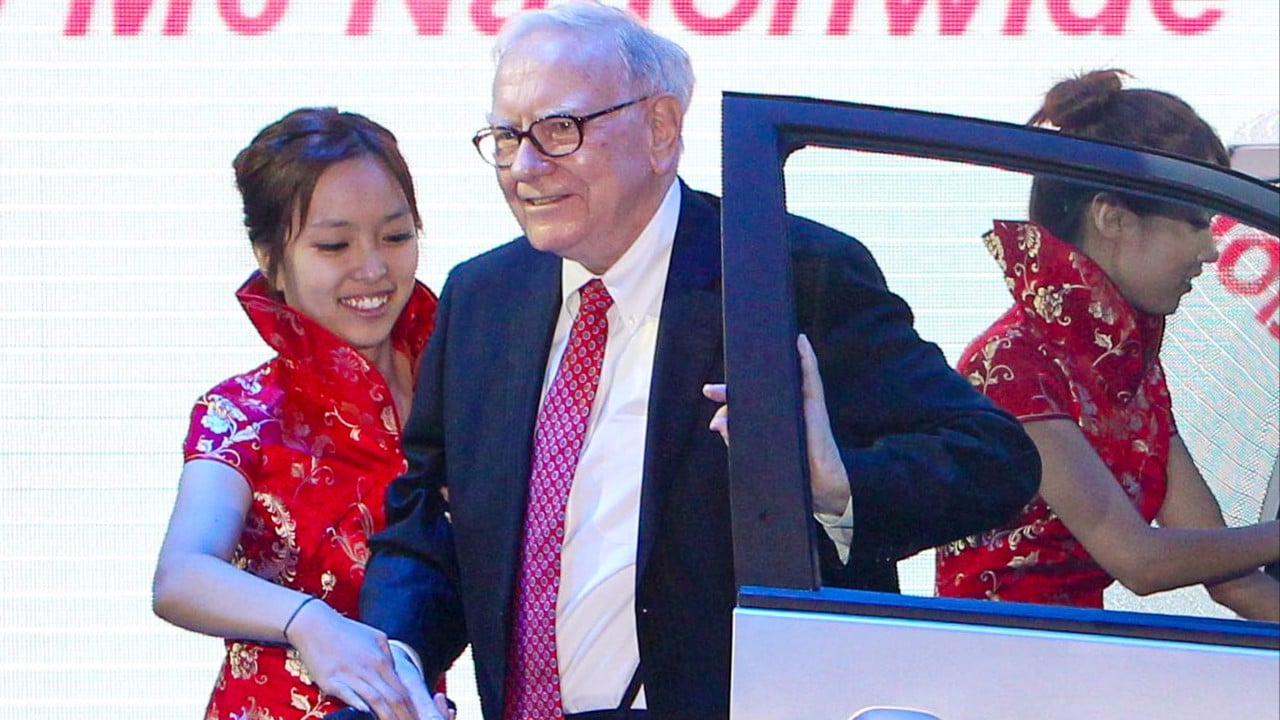
China is placing its faith in patient capital over rapid trades as it attempts to steer its next wave of growth. This strategy aligns with an approach that Warren Buffett has championed over six decades, as Warren Buffett announced his retirement from Berkshire Hathaway last week. The Chinese government has also embraced this value-investing philosophy, with the China Securities Regulatory Commission chairman, Wu Qing, vowing that Buffett's principles of long-term value investing will endure.
The country's mutual fund industry is moving in this direction, with regulators shifting incentives away from short-term speculation to foster longer holding periods. Bruno Sergi, a Harvard University professor specializing in development economics and emerging markets, sees this shift as more than a legacy strategy; it's a national financial priority.
Sergi points to Berkshire's exit from BYD, which turned a modest investment into a substantial profit, as evidence that "long-term value investing" works in the Chinese context.
However, Berkshire's recent decision to trim holdings in TSMC and add to Japanese trading houses has sparked questions about whether the philosophy applies solely to China. Buffett suggested geopolitical tensions played a role in the TSMC decision. This move has left foreign investors more cautious, as they weigh political risks against a limited number of new Chinese listings.
In the past two years, Chinese companies listed on US exchanges numbered between 50 and 60, compared to just two in 2024, leaving investors with limited options.
Despite these concerns, some foreign investors, like David Tepper and Stanley Druckenmiller, have continued to support Chinese stocks. Tepper increased his stake in Baidu significantly, while Druckenmiller returned to Chinese equities after a prolonged absence. Overall, QFII investor funds holding Yuan-denominated Chinese stocks surged 87% to nearly $40.6 billion in the last quarter.
As President Xi Jinping's three-day state visit approaches, analysts suggest that sentiment may improve temporarily, but only clear policy changes can truly boost capital allocation over the long term.
Written by urgent.news from SCMP Business's reporting — not their text. Machine-written — may contain errors; check the original before relying on it.
This story
This is one outlet's version. Read the fullest account.
- As Buffett exits, can China win back Wall Street with own brand of his winning formula? scmp.com
- Live: ASX set to open higher, Wall Street flat as oil continues slide abc.net.au
- ASX set to advance, Wall Street steady; Oil prices slip theage.com.au
- ASX set to advance, Wall Street steady; Oil prices slip smh.com.au