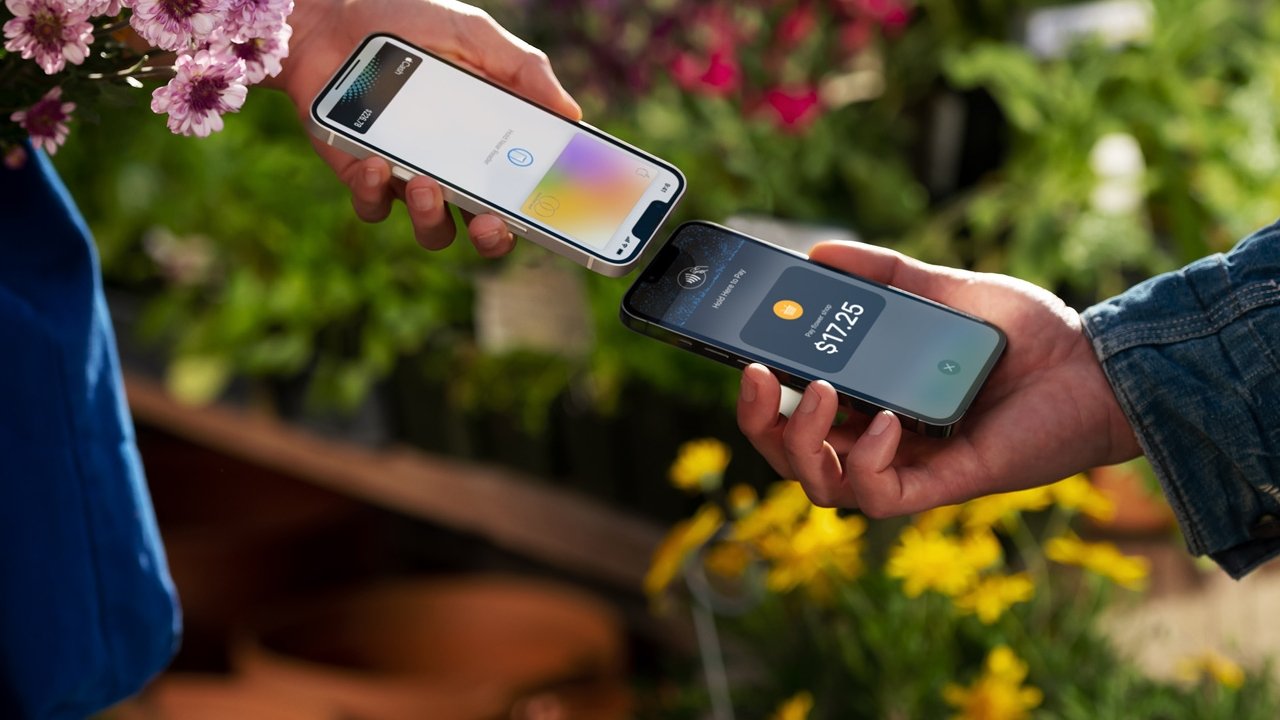
Apple’s Long-Rumored Home Hub Smart Display Might Arrive in October
According to Bloomberg, Apple’s first smart display has been in testing, and may be ready for its debut this fall.
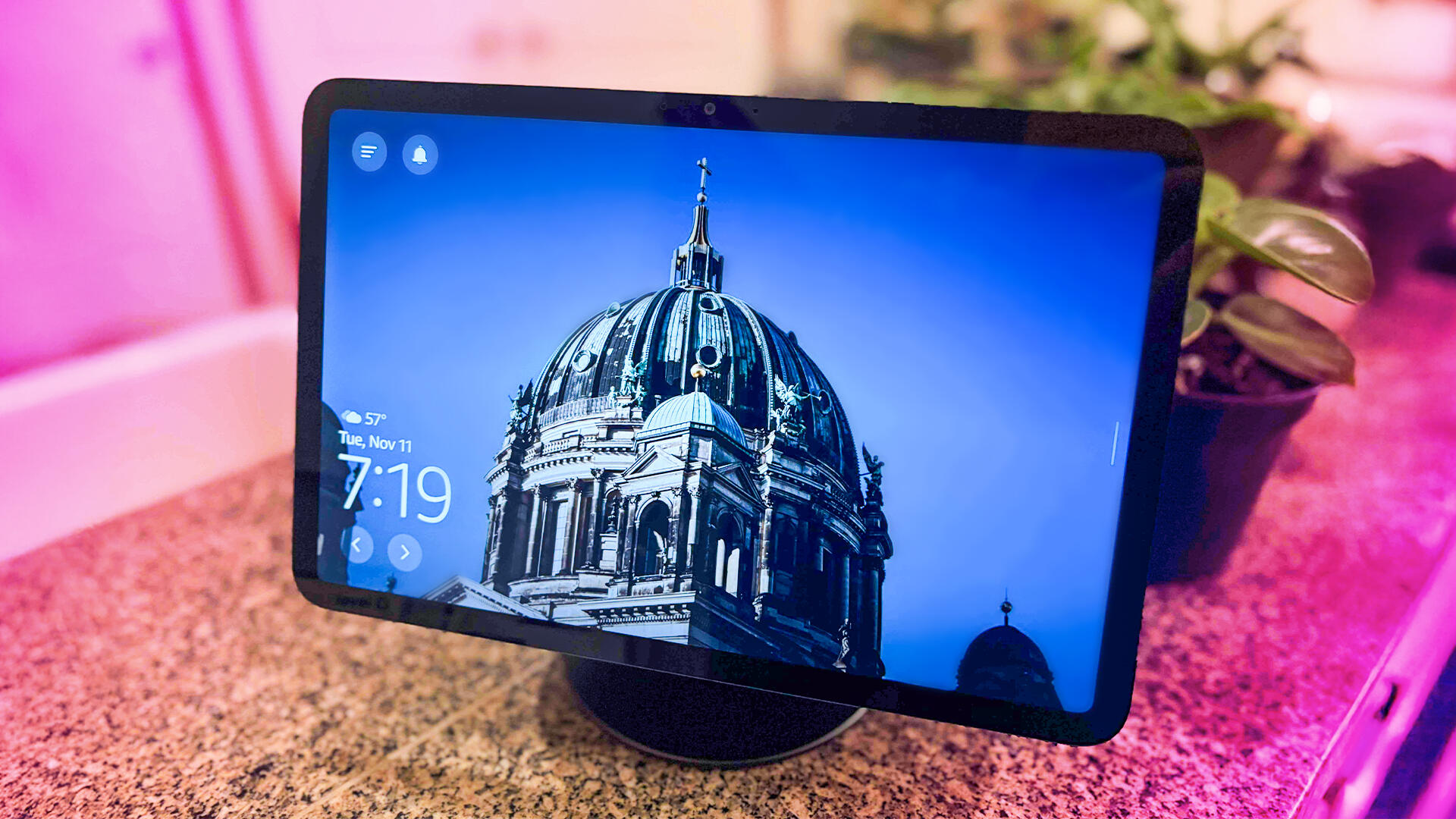
Apple’s long-awaited home hub smart display, powered by the improved Siri AI assistant, may be set to launch in October, according to reports. The device, rumored to be similar to Amazon’s Echo Show and Google’s Nest Hub, would allow users to control smart home devices, make video calls, and stream music using Siri AI. The display would feature Face ID for user recognition and come in two versions: one standing on a stand and another wall-mounted.
Apple’s decision to hold off on updating its HomePod speaker line, which hasn’t seen an update since 2023, suggests that the new smart display could be on the way. The HomePod Mini and HomePod have both seen price increases due to the ongoing RAM shortage, leading to higher prices across the electronics industry. With the upcoming iPhone Duo launch on Oct.
23, Apple appears to be focusing on a range of new products this fall, including refreshed Mac computers and the latest iPhone 18 Pro and Pro Max models.
Written by urgent.news from CNET's reporting — not their text. Machine-written — may contain errors; check the original before relying on it.