Alibaba debuts Zhenwu V900 with threefold performance gain
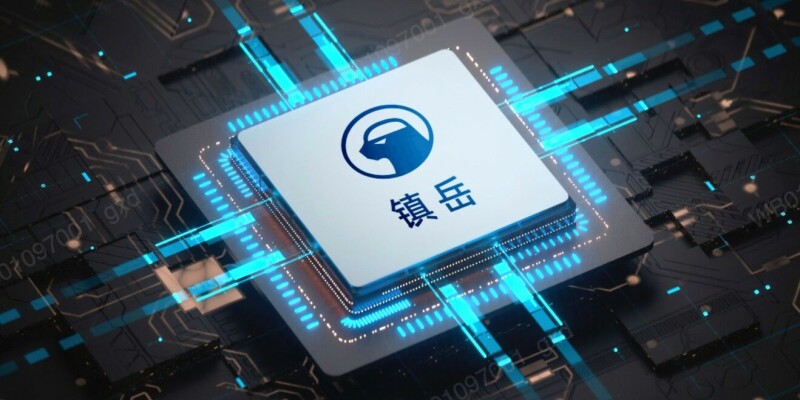
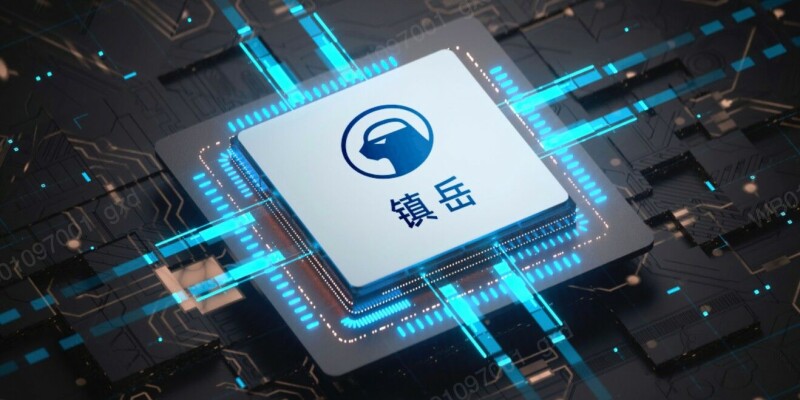
Alibaba Group unveiled its Zhenwu V900 artificial intelligence accelerator on Tuesday, saying the processor delivers three times the performance of its predecessor and is its most powerful AI chip yet. Chief Executive Eddie Wu introduced the chip at Alibaba’s annual Apsara Conference in Hangzhou, placing proprietary semiconductors at the centre of the company’s expanding artificial intelligence…
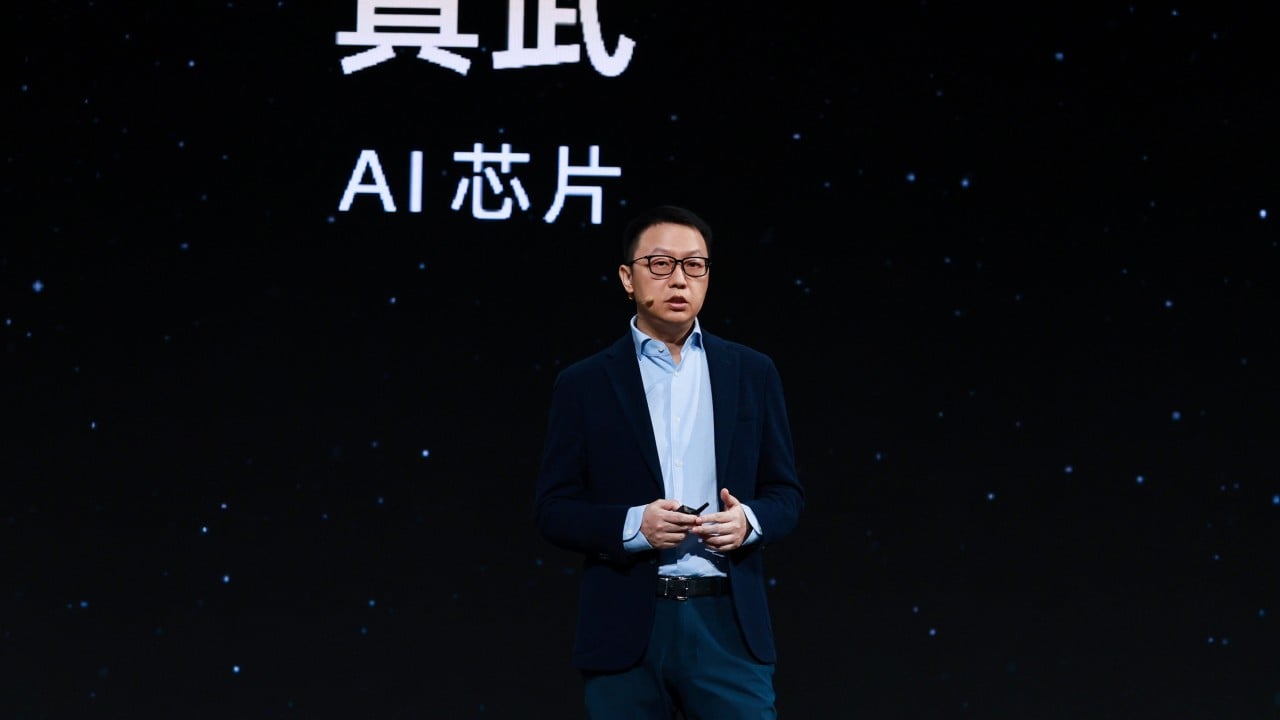
Alibaba Group introduced the Zhenwu V900 artificial intelligence accelerator on Tuesday, revealing that the processor offers three times the performance of its predecessor and represents their most powerful AI chip to date. During Alibaba's annual Apsara Conference in Hangzhou, CEO Eddie Wu presented the chip, emphasizing the importance of proprietary semiconductors in the company's expanding AI strategy.
The V900, developed by Alibaba's T-Head semiconductor unit, can be interconnected in clusters of up to 500,000 chips to support the training of advanced AI models. Wu considers the V900 the most powerful AI chip currently available in China, though this claim has not been independently verified. Mass production of the V900 is expected to commence in early 2027.
China's leading technology firms are accelerating the development of domestic processors due to ongoing US restrictions on advanced AI chips and semiconductor manufacturing technology exports. Alibaba, Huawei, and other companies are creating alternatives to minimize reliance on Nvidia hardware for training and running large AI models.
Alibaba's chip strategy is closely linked to the expansion of its cloud infrastructure. Wu mentioned that Alibaba Cloud aims to increase its global data-center capacity to over 20 gigawatts by 2032, which would require significant investments in computing hardware, power, and networking systems. The company has allocated 380 billion yuan, approximately $53 billion, over three years to cloud computing and artificial intelligence infrastructure, raising additional capital through a Hong Kong share offering in August.
In addition to the V900, Alibaba intends to develop a new foundation model containing between 5 trillion and 10 trillion parameters, roughly two to four times larger than its current flagship Qwen 3.8 Max model, which has about 2.4 trillion parameters. Wu did not disclose a timeline for releasing the larger model, and parameter count alone does not guarantee model quality or capability.
Alibaba aims to enhance model architecture, chips, and computing infrastructure to handle more complex tasks over extended periods. The V900 follows the Zhenwu M890, introduced in May for AI training and inference, with 144 gigabytes of high-bandwidth memory and up to 800 gigabytes per second inter-chip bandwidth. Alibaba stated that the M890 delivered three times the performance of the previous Zhenwu 810E.
Since May, over 560,000 Zhenwu chips have been shipped to more than 400 customers across various sectors such as finance and automotive. The company's domestic accelerator business growth is evident in these figures. Alibaba's shares rose more than 5% in Hong Kong trading on Tuesday, reaching a one-month high as investors reacted positively to the company's latest AI announcements.
The stock's increased sensitivity to expectations surrounding Alibaba's cloud growth, capital spending, and AI services monetization is worth noting. The V900 joins a domestic market where Huawei is advancing its Ascend processor roadmap and developing systems capable of linking numerous processors for demanding AI workloads.
Written by urgent.news from Arabian Post's reporting — not their text. Machine-written — may contain errors; check the original before relying on it.