AI in RI healthcare: Opportunities and risks
From the perspective of Indonesia’s national health policy, AI is an innovation. Ensuring that innovation is safe, equitable and trustworthy is a critical issue when it comes to AI in the health sector.
In Indonesia, artificial intelligence (AI) is viewed as an innovation in the national health policy, with a focus on ensuring it is safe, equitable, and trustworthy. The country's healthcare industry has been increasingly investing in AI technology, particularly for diagnostic tools for serious conditions like cancer, stroke, and heart disease.
AI tools are already being used by medical professionals to streamline documentation and alleviate burnout. However, there are concerns about whether physicians will solely rely on AI or maintain their role in providing care through clinical judgment. The rapid approval of AI-enabled medical tools has raised questions about the future of human involvement in healthcare.
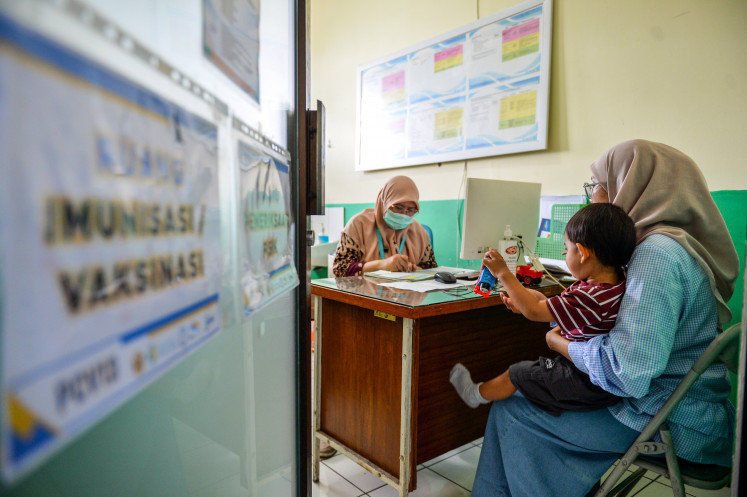
Indonesia has adopted AI to tackle its unique challenges, including a growing population and a prevalence of non-infectious diseases, exacerbated by its vast geography. The Health Development Policy Agency's head, Asnawi Abdullah, highlighted how AI has been employed to identify patients at high risk of complications early and expedite priority referrals in remote healthcare centers known as puskesmas.
The strategic role of AI in community health centers is demonstrated by its ability to quickly and accurately assess patient risk and notify them about medication adherence. As Indonesia continues to embrace AI, the nation must grapple with the balance between leveraging technology and preserving the human aspect of healthcare.
Written by urgent.news from The Jakarta Post's reporting — not their text. Machine-written — may contain errors; check the original before relying on it.