Agbogbloshie clean-up must be a new beginning
The decision to remove one million metric tonnes of waste from Agbogbloshie, Old Fadama and adjoining communities within 90 days is both ambitious and necessary. For years, the mountains of refuse in the area have stood as a painful reminder of Accra’s sanitation crisis. The waste has choked waterways, contributed to flooding and exposed thousands … The post Agbogbloshie clean-up must be a new…

The Ghanaian Times applauds the ambitious plan to extract a million metric tonnes of waste from Agbogbloshie, Old Fadama and surrounding communities within a 90-day window. This operation, involving the Ministry of Local Government, the Ghana Armed Forces, DRIP and the relevant Metropolitan and Municipal Assemblies, is both critical and overdue.
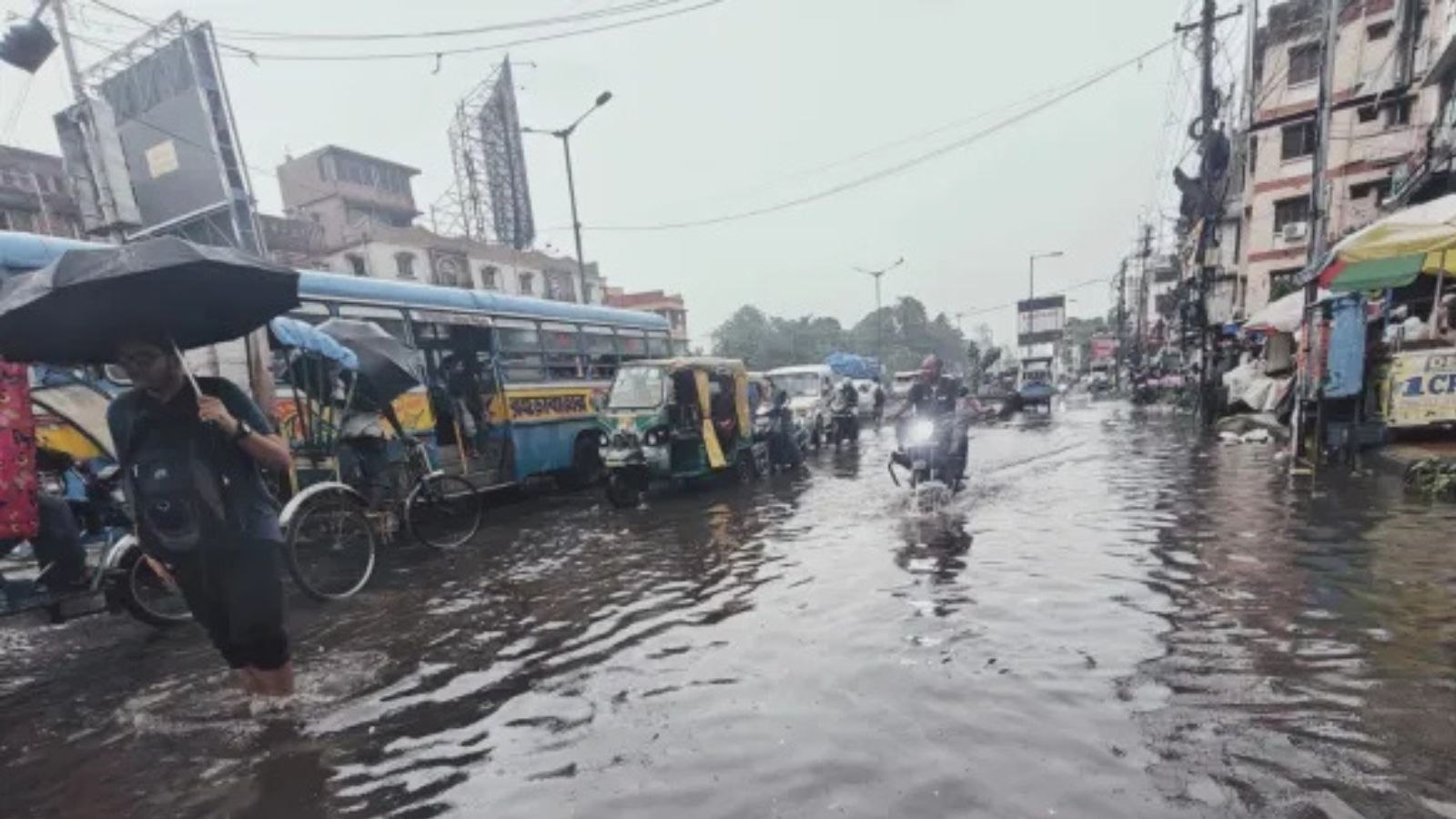
The heaps of garbage have long marred the landscape, clogged waterways, fueled flooding and put thousands at risk of environmental and public health hazards. Restoring the Korle Lagoon cannot simply be seen as another cleanup; it must symbolize a transformative shift in how Accra handles waste, safeguards waterways and utilizes its land.
While the scale of this undertaking makes cooperation essential, maintaining cleanliness post-cleanup will prove equally demanding. President John Dramani Mahama has rightly emphasized the necessity of enforcing regulations to prevent future dumping. Ghana has historically initiated major clean-ups only to see the same areas revert to their former state.
This must stop. The reclaimed land must be safeguarded and designated for specific use. The proposed urban renewal initiative, which includes establishing a textile industry, presents an opportunity to convert a blighted site into a thriving economic zone. However, this vision can only become reality if the land remains protected from encroachment and incompatible uses.
Effective post-cleanup management is crucial. The authorities must devise a comprehensive plan that assigns clear responsibilities to the assemblies, security forces, traditional leaders and community members. Residents and businesses must also adhere to sanitation rules and assist in preserving the renewed environment. The broader context of this initiative suggests that Accra needs a comprehensive waste management system to prevent refuse from becoming an ongoing crisis.
Proposed landfill capacity expansions in Accra and Kumasi, along with engineered landfill facilities across all 16 regions, coupled with increased investment in waste separation, recycling and material recovery, represent positive steps. Supporting the three landfill sites in Accra with efficient collection, sorting, recycling and responsible disposal systems is vital.
Equally important is protecting the Korle Lagoon, which cannot be cleaned if waste continues to infiltrate its watershed. Engaging the communities residing and working in the affected areas is essential. While enforcing regulations is necessary, true environmental improvement demands public participation and a shared sense of ownership.
The 90-day cleanup should not be merely a time-bound project; rather, it should inaugurate a lasting sanitation and urban renewal program. The Ghanaian Times urges the government, assemblies, traditional authorities, businesses and residents to embrace this chance. Let the waste mountain vanish, but let the old habits vanish alongside it.
Written by urgent.news from Ghanaian Times's reporting — not their text. Machine-written — may contain errors; check the original before relying on it.