A new skyline of data centres is rising from the rolling plains of rural China
Potato farmers rub shoulders with rows of gleaming new data centres as Trump and Xi meet to discuss AI safety.
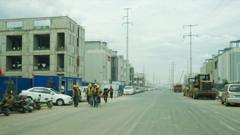
In the rural plains of Inner Mongolia, China, a new digital frontier is emerging. Once known for its potato fields, the region is now becoming a hub for data centres that will power AI platforms. Ulanqab, a city with steppes and volcanoes, hosts these construction sites, where hundreds of workers build the infrastructure to support China's AI ambitions. The Chinese government views these data centres as crucial for economic growth and national security, aiming to embed AI across 90% of industries by 2030.
China is not only investing in the physical infrastructure but also in the talent pool. Young engineers and researchers are attracted to the country due to its strong AI ecosystem, in contrast to the US, where immigration restrictions have deterred many. The state-run Global Times, a Beijing-controlled news outlet, dismisses US concerns about China's AI development as part of a Cold War strategy to contain its rise.
Unlike the US, which often employs closed models for AI development, China is promoting open-source models. This approach allows for more innovation and flexibility, helping Chinese AI firms overcome limitations such as a lack of access to advanced chips. Beijing also seeks to have a say in global AI regulations, calling for more oversight and a global framework.
While the rapid expansion of AI in China brings benefits, there are also concerns. Some locals in Ulanqab, the region experiencing significant AI development, express worries about job losses and the impact on their livelihoods. However, there are also optimists who see China's AI advancements as a positive force for the country's economic growth and technological development.
Written by urgent.news from BBC Technology's reporting — not their text. Machine-written — may contain errors; check the original before relying on it.