20 black rhinos translocated from South Africa to Botswana in major conservation effort
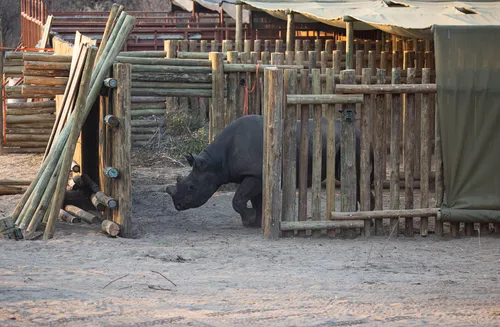
WWF South Africa has successfully moved 20 black rhinos from KwaZulu-Natal to a secure site in Botswana, effectively doubling the country’s estimated black rhino population.
Across South Africa, natural springs hold significance as sources of freshwater, centers for healing and spiritual rituals, and places where communities maintain deep cultural connections with the environment. However, emerging pollution known as microplastics has been detected in nine such sacred springs in the Eastern Cape and KwaZulu-Natal provinces.
These springs, recognized for their cultural and spiritual importance, were found to contain microplastic particles, ranging from 5 to 48 particles per liter. There is no universally accepted safe level of microplastics in freshwater or drinking water, making these concentrations difficult to classify as safe or unsafe. The research highlights the presence of microplastics in even pristine-looking springs, which could harm aquatic life, diminish spiritual value, and expose those who interact with the water.
The issue of microplastic pollution in these sacred springs stems from plastic waste entering the environment through various means, such as rain, air, and human activities near the water sources. Despite efforts by local communities to keep the springs clean, particularly around carbon dioxide springs where plastic pollution appears less prevalent, the detection of microplastics underscores the urgent need for comprehensive water-quality monitoring of these culturally significant sites.
Written by urgent.news from Phys.org's reporting — not their text. Machine-written — may contain errors; check the original before relying on it.
This story
This is one outlet's version. Read the fullest account.