Yen vulnerable with Japan on holiday after BOJ disappoints
A three-day holiday through Wednesday is set to reduce trading liquidity.
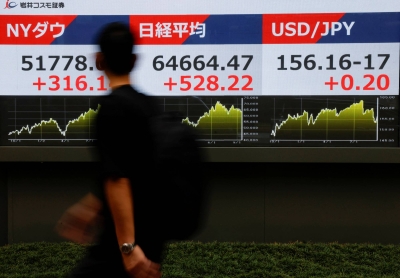
The yen faces uncertainty as Japan enters a three-day holiday, reducing trading liquidity and exacerbating investor concerns. Despite a recent steadying around ¥156.86 per dollar, the currency experienced a sharp decline of up to 1.3% earlier in the week following dissent from two Bank of Japan board members regarding a rate hike.
The Bank of Japan's failure to provide more encouraging guidance on future interest rate hikes has left investors disappointed. A subsequent report that officials had sought market participants' input for a rate check, potentially paving the way for currency purchases, only modestly alleviated the yen's losses. In the preceding week, the yen plummeted by over 2%, marking its largest weekly decline in nearly a year.
James Reilly, a senior markets economist at Capital Economics, noted that the Bank of Japan often stifles market momentum during its meetings, suggesting a significant recovery in the yen's value against the US dollar may hinge on developments from the United States.
Written by urgent.news from Japan Times's reporting — not their text. Machine-written — may contain errors; check the original before relying on it.