World Bank, IMF back changes to debt framework for poor countries
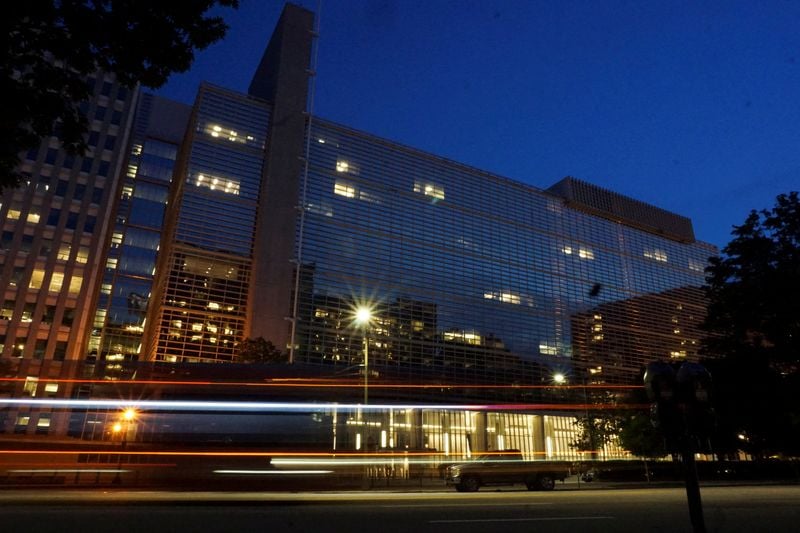
The World Bank and International Monetary Fund (IMF) have approved reforms to their framework for evaluating the debt of low-income countries, the first such review since 2017. The joint review recommended changes to better assess domestic debt, consider long-term development challenges such as climate change, and enhance tools and stress tests for consistency and accuracy of forecasts.
The IMF and World Bank plan to enhance tools and stress tests to differentiate between countries facing debt stress and those with unsustainable debt. The reforms aim to help countries identify vulnerabilities earlier and make better-informed financing and policy choices. Around 14% of low-income countries are currently in debt distress, while another 33% are at high risk.
The revised framework could assist countries in better assessing their ability to invest in development and climate adaptation while containing long-term debt vulnerabilities. The changes will take effect in the second half of 2027. The IMF and World Bank have a separate framework for advanced and emerging market economies that will also be reviewed in the coming years.
Written by urgent.news from Investing.com's reporting — not their text. Machine-written — may contain errors; check the original before relying on it.