Work as you know it will be a relic of the past
AI won’t replace knowledge workers overnight, but it will fundamentally change how they work.
In the not too distant future, the way we work will be unrecognizable. Imagine waking up, brewing a cup of coffee, and joining a call where colleagues discuss minor spreadsheet discrepancies. By afternoon, you'll be editing a third version of a client proposal, only to receive a last-minute change in scope. This routine will seem outdated, yet we might yearn for its simplicity.
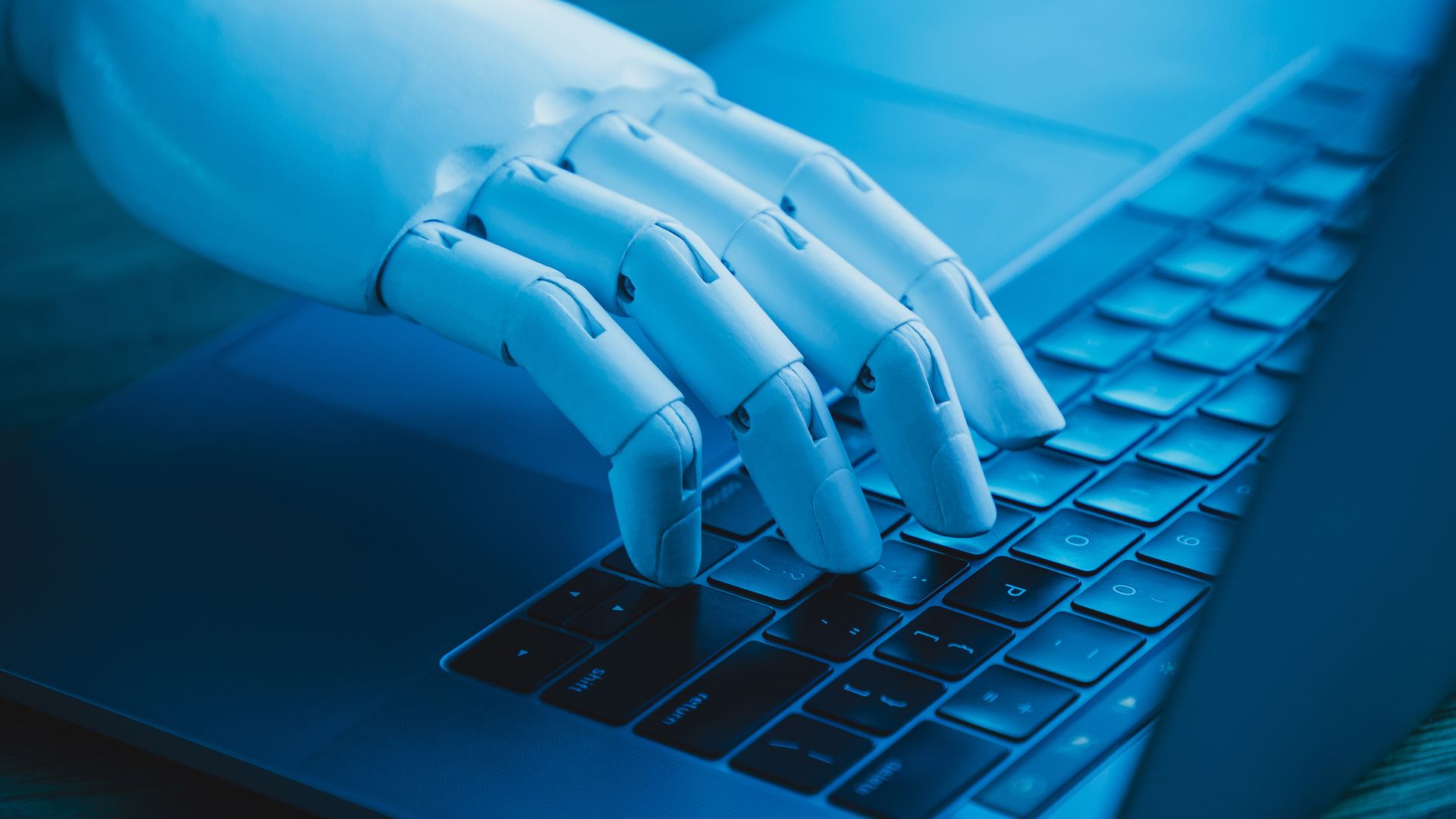
We've seen this cycle before, from farming to factory work, and now to knowledge work. Artificial intelligence agents are poised to revolutionize desk jobs much like previous technological shifts. These AI agents can write up to 90% of code and may soon handle significant portions of knowledge work. However, they are not flawless; errors still occur, and verifying their output is a challenge.
The key lies in evaluating tasks based on the potential cost of errors and the ease of verification. Tasks with high error costs or verification difficulties require more human oversight. For instance, customer service interactions vary greatly in complexity, necessitating different levels of human involvement. Automation, such as ATMs in banking, initially led to an increase in bank tellers' wages due to the added value they provided, particularly in handling complex tasks.
Similarly, in the realm of radiology, AI tools are improving scan analysis, but the demand for skilled radiologists remains high. Economist Michael Kremer's O-Ring theory suggests that modern knowledge work is highly interdependent, making human oversight increasingly valuable. Automation frees up time, but its effectiveness depends on how that time is utilized.
Investing in high-value tasks, such as relationship building and strategic decision-making, can enhance the quality of work and pave the way for further automation. The focus should be on identifying tasks suitable for AI assistance, delegating those responsibilities, and restructuring processes to maximize human expertise. In five years, expect a workforce where many routine tasks are handled by AI, allowing professionals to focus on higher-value activities.
Stay vigilant, keep your human touch, and leverage the efficiency gains to elevate your work rather than replace it.
Written by urgent.news from TechRadar's reporting — not their text. Machine-written — may contain errors; check the original before relying on it.