Why protecting grasslands is central to protecting rhinos
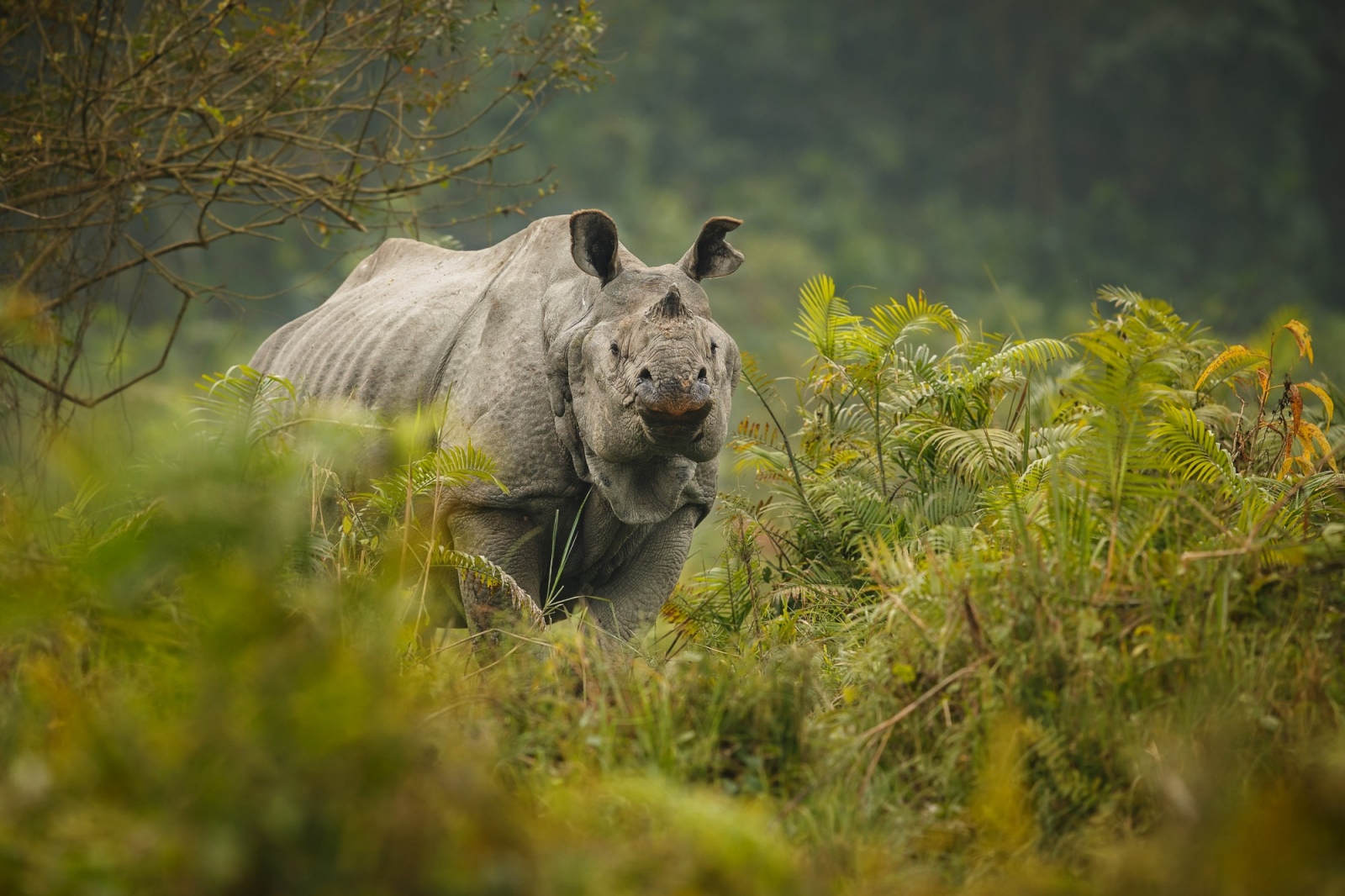
India's greater one-horned rhinoceros is more than a symbol; it is a vital component of the floodplain and grassland ecosystems along the Brahmaputra and Terai rivers. Historically, this species roamed across northern India, with its wild population now primarily residing in Assam, Uttar Pradesh, and West Bengal under the stewardship of Prime Minister Narendra Modi.
The Modi government's National Conservation Strategy for the Greater One-Horned Rhinoceros (2021) aims to bolster existing populations, repopulate historical habitats, maintain genetic diversity, facilitate translocations, and enhance climate resilience.
Since 2021, India's rhino numbers have surged by almost 170 percent, surging from around 1,500 to over 4,000 in September 2024. This recovery places India among the top guardians of the Greater One-Horned Rhinoceros, with a five-year plan (2026-2031) budgeted at Rs 77.39 crore. This program spans across Assam, Arunachal Pradesh, Bihar, Uttar Pradesh, and West Bengal, concentrating on scientific monitoring, habitat protection, restoration, translocation planning, coexistence strategies, and capacity building.
Grasslands and wetlands, essential to rhinoceros survival, are dynamic environments requiring active management to avoid degradation, succession, and invasive species proliferation. The Rhino Conservation Action Plan includes grassland mapping, invasive species identification, intensive restoration prioritization, and tailored Protected Area management protocols.
This species-centric approach is complemented by a broader initiative: a Rs 20.86 crore five-year project on the Comprehensive Assessment of Indian Grasslands, led by the Wildlife Institute of India, Indian Council of Forestry Research and Education, and Forest Survey of India. This project will evaluate grassland extent, ecological health, biodiversity, degradation, ecosystem services, and carbon storage, culminating in a National Grassland Atlas, restoration priorities, and long-term management guidelines.
Climate resilience is becoming increasingly crucial. Floods, integral to these landscapes, could face intensified pressures from extreme weather events. Ensuring access to higher ground, securing ecological connectivity, protecting dispersal routes, and managing habitats at a landscape level are becoming vital. Technology, such as advanced surveillance, spatial monitoring, veterinary diagnostics, genetic tools, and decision-support systems, is augmenting traditional conservation efforts, yet it cannot replace the dedicated personnel who patrol these landscapes daily.
Forest guards, watchers, mahouts, veterinarians, and field officers are the backbone of wildlife protection.
World Rhino Day also celebrates the tireless dedication of these individuals and emphasizes the collective responsibility of communities living adjacent to rhino habitats. The future of the species hinges on recognizing conservation as a shared endeavor, not solely a governmental function. India's journey with the greater one-horned rhinoceros showcases that extinction can be reversed through persistent, collective action.
Protecting these iconic creatures also safeguards the rivers, grasslands, wetlands, forests, and communities that comprise India's most biodiverse landscapes. The rhino's resurgence stands as a testament to what can be achieved when society commits to determination and comprehensive conservation efforts.
Written by urgent.news from The Indian Express's reporting — not their text. Machine-written — may contain errors; check the original before relying on it.