What lies beneath Kinta Valley’s limestone hills
Caves, fossils, underground streams and rare wildlife are turning Perak’s karst landscape into a natural archive worth protecting.
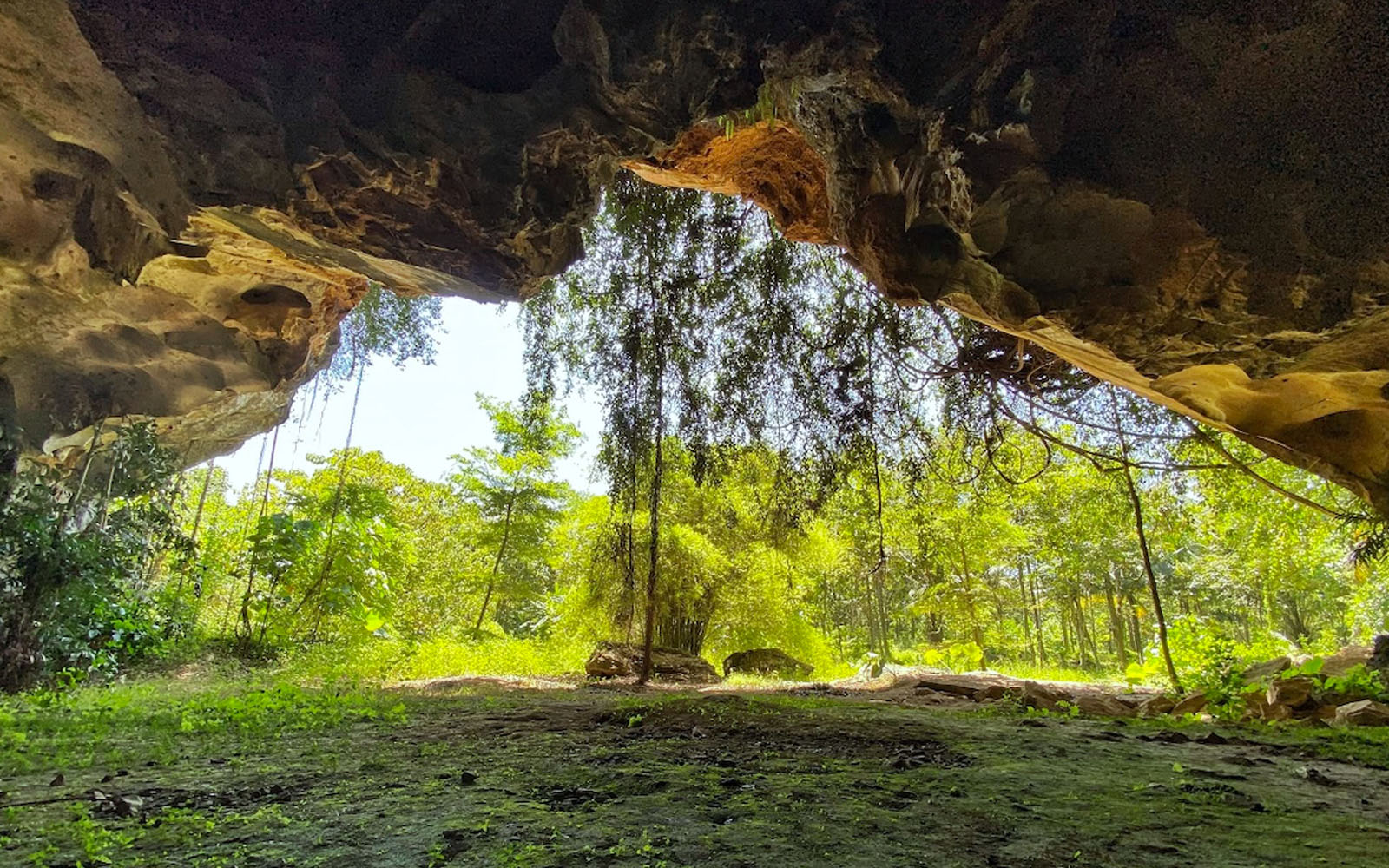
Kinta Valley, located in parts of Kinta and Kampar, is a vast limestone karst area covering approximately 1,952 square kilometers and is recognized as the largest such region in peninsular Malaysia. This geological wonder, characterized by dramatic limestone hills, intriguing caves, and underground water sources, has taken shape over vast periods, resulting in unique formations such as stalactites and stalagmites, as well as intricate drainage systems.
These geological features not only lend aesthetic appeal but also support diverse ecosystems and serve as valuable sites for scientific research.
Ching Boon Tat, an activist for Kinta Valley Watch, emphasizes the critical importance of preserving this limestone geography. He explains that damage to the geological structure could result in the loss of historical value and natural biodiversity, as the area spans roughly 50 kilometers from Sungai Siput Utara to Kampar. In response to this, Ching has been documenting various angles of the limestone hills through photography, aiming to create a visual record that could later be used to demonstrate changes if any occur.
Beyond their scenic value, the caves and rock formations of Kinta Valley are significant for scientific research. They house important historical finds, including fossils such as those of a Stegodon in Gua Kandu, an ancient deer jawbone near Bukit Mat Surat, and a tiger fossil on the walls of Gua Naga. These caves are not simply tourist attractions but also act as natural laboratories where researchers can study various species.
For instance, some caves provide shelter for bats, snakes, insects, tarantulas, and scorpions, while nearby water sources support aquatic life like catfish and eels.
One such cave, Gua Tarantula in Gunung Lang, exemplifies this biodiversity, where unusual species coexist in an environment characterized by darkness and damp conditions. The karst landscape also plays a broader environmental role with its underground systems capable of storing and channeling water, and its limestone formations acting as carbon sinks.
However, concerns arise from the potential damage caused by quarrying and development in areas such as Simpang Pulai and Ipoh, which could permanently alter these delicate systems.
To address these concerns, Zairis Abdul Rani, a cave guide and activist, suggests that more limestone hills should be formally protected, drawing parallels to other areas where conservation status has already been established. The recent International Day of Caves and Karst, observed on September 13, has increased awareness of these often-overlooked landscapes.
For Ching, the ultimate goal is for people to recognize Kinta Valley’s limestone hills not just as picturesque scenery, but as repositories of natural and human history that continue to unveil their stories.
Written by urgent.news from Free Malaysia Today's reporting — not their text. Machine-written — may contain errors; check the original before relying on it.
Also reported by 1 other outlet
- What lies beneath Kinta Valley’s limestone hills freemalaysiatoday.com