What Factors Affect The Cost Of Hair Loss Treatment?
Hair loss treatment is one of those things people put off -not because they don't care, but because they genuinely don't know what it'll cost or where to even begin. When you finally decide to do something about it, the pricing across clinics, brands, and platforms can feel completely all over the place. Understanding what actually drives these differences can help you make a smarter decision.…
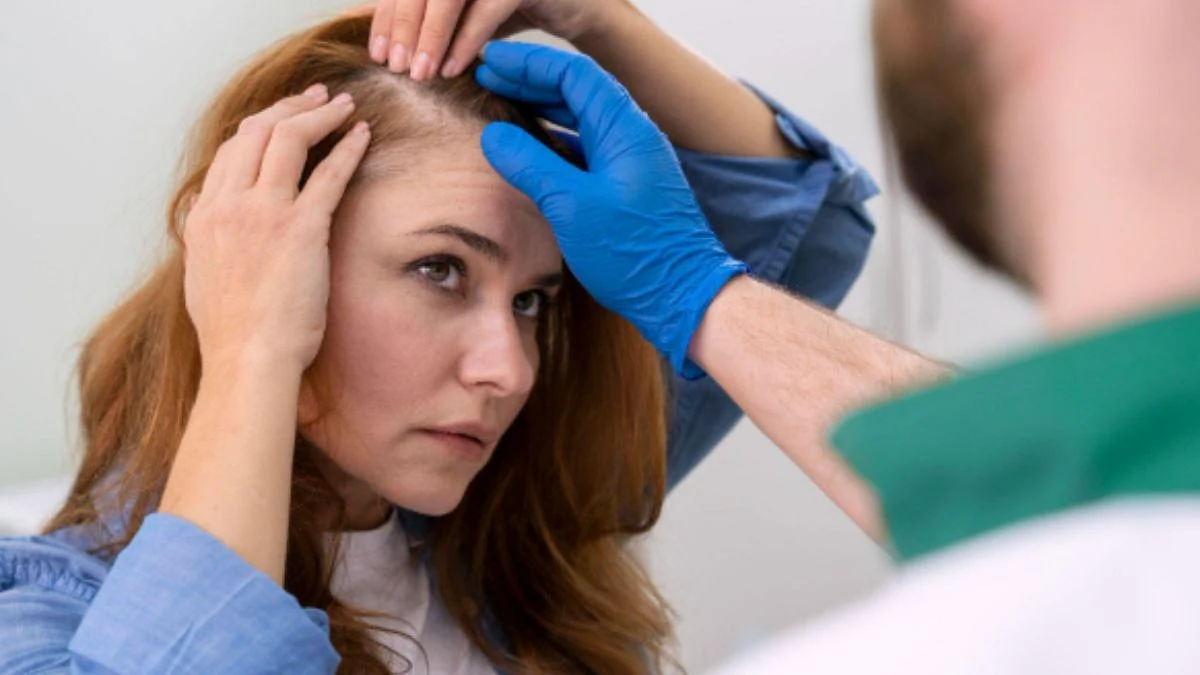
Hair loss treatment often takes a backseat as people are unaware of the associated costs and the initial steps involved. Once a decision is made, the pricing can vary greatly depending on the clinic, brand, and platform. It's crucial to understand the factors that contribute to these price differences to make an informed decision.
Hair loss is not a single condition but can be caused by various factors such as hormonal imbalances, nutritional deficiencies, scalp infections, thyroid issues, stress, or genetics - often a combination of these. Because the root causes differ significantly, the treatment approach also varies, leading to differences in cost. Someone dealing with stress-related hair loss will require a different (and usually less intensive) plan compared to someone with advanced androgenetic alopecia.
The type of treatment plays a significant role in determining the cost. Hair loss treatments can be broadly categorized into topical treatments (like minoxidil or medicated oils), oral medications (such as finasteride or supplements), dermatological procedures (like PRP or GFC therapy), and hair transplants. Each category has a different price range and works through distinct mechanisms.
For instance, minoxidil widens blood vessels around hair follicles to improve circulation, while PRP involves injecting growth factors to stimulate dormant follicles. Dermatological procedures like PRP or GFC therapy are done in clinics and cost more per session compared to topical treatments. A common oversight is skipping proper diagnostics, which can lead to incorrect treatment and increased expenses in the long run.
Proper diagnostic processes may include blood tests, trichoscopy exams, or hormonal panels, adding to the total cost but ensuring a more targeted and effective treatment. The format of the consultation and the consultant also influence the overall cost. Private dermatology consultations in metro cities can range from ₹500 to ₹2,000 per visit, with follow-ups every few months adding to the expense.
Some platforms bundle consultations into their treatment pricing, which can help reduce the overall financial burden. Lastly, the duration of the treatment affects the total expenditure. Most treatments take three to six months to show visible results, with full benefits often taking nine to twelve months. This means monthly costs need to be multiplied over a realistic timeline.
For example, a treatment costing ₹2,000 per month for a year would amount to ₹24,000. Understanding this upfront helps set realistic budgets and expectations, making it essential for those researching treatment costs to consider the total plan, including consultations, products, and follow-ups, rather than focusing solely on the individual price of products.
Written by urgent.news from Free Press Journal's reporting — not their text. Machine-written — may contain errors; check the original before relying on it.