What actually happens to your nervous system when you get a back massage
Receiving a back massage after a mentally demanding task lowers your heart rate but keeps skin conductance elevated. A new study demonstrates that different bodily signals respond to physical touch in distinct, sometimes opposing, ways.
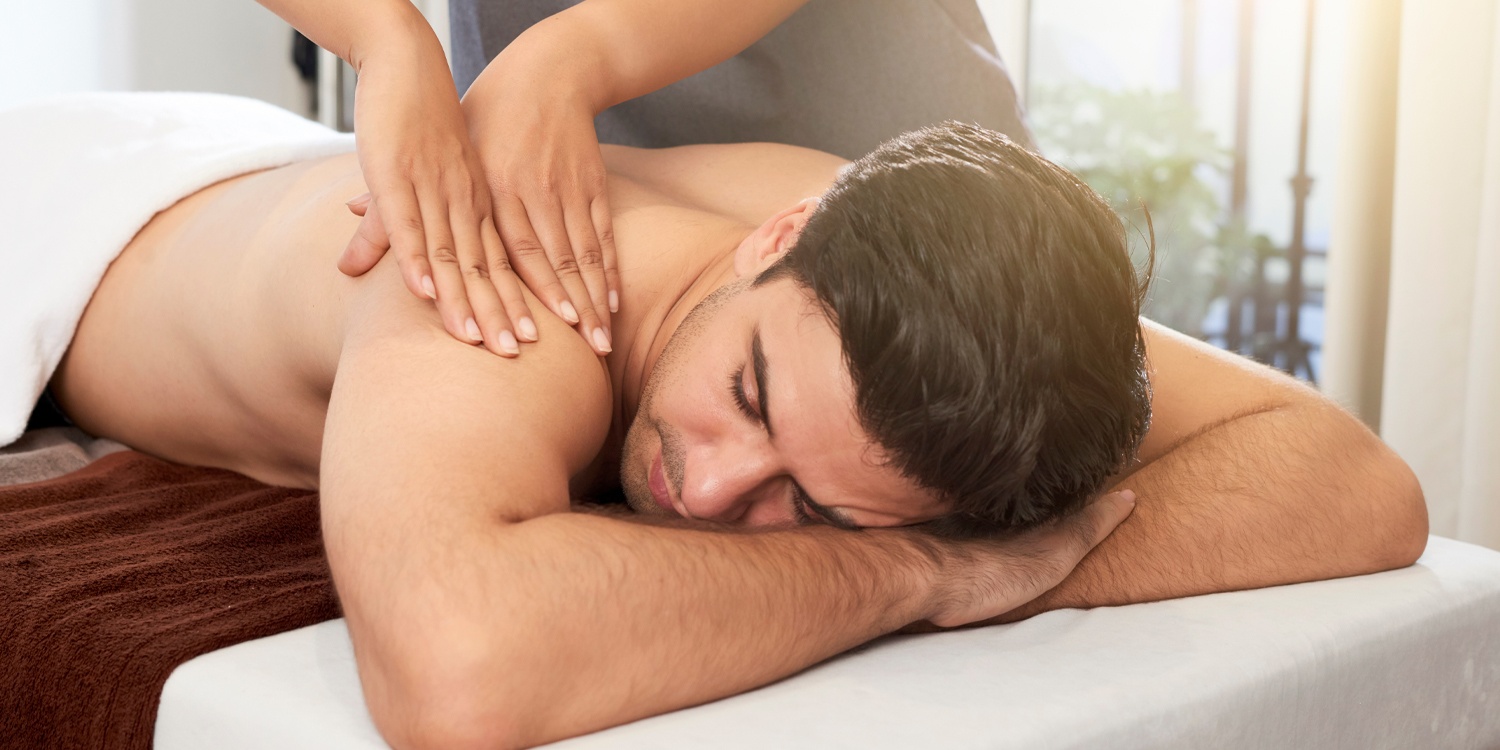
A recent study published in Frontiers in Physiology reveals that a classical back massage after an intensive mental task influences the body's nervous system in unique ways. The research explored how heart rate and skin conductance—two indicators of the nervous system's response to physical touch—differ when a person receives a massage compared to simply resting.
The study's lead author, Maciej Lachowicz, an assistant professor at DSW Ideis University in Poland, aimed to decipher the distinct pathways through which the body returns to a relaxed state after mental exertion. Previous studies have established that both mental strain and physical touch trigger varying physiological reactions, suggesting that these signals should not be conflated.
To investigate this further, Lachowicz and his team conducted an experiment involving 48 healthy young adults, aged around 19.5 years on average. Participants were randomly assigned to either receive a classical back massage or to rest passively for 15 minutes after completing a challenging mental task.
The mental task, known as the Determination Test, is an adaptive computer challenge that simulates high mental demand by requiring participants to quickly respond to rapidly changing visual and audio cues. After completing the test, participants rated their perceived mental effort using a standardized questionnaire.
The researchers then monitored the participants' physical responses using sensors. Heart rate was measured via an optical pulse sensor attached to the left earlobe, while skin conductance was assessed through sensors placed on the non-dominant hand. Throughout the 15-minute recovery period, these responses were recorded in three separate five-minute intervals.
Both groups exhibited increased heart rate and skin conductance during the mental task, indicating a state of mental strain and physical activation. However, the recovery process differed significantly. In the passive resting group, skin conductance gradually decreased, returning to baseline levels by the end of the recovery period. Conversely, the massage group maintained a notably lower heart rate and sustained higher skin conductance throughout the entire recovery process.
By the final five-minute recovery interval, the massage group's heart rate was roughly 20 beats per minute lower than that of the control group, suggesting a more effective restoration of the nervous system's resting state following the massage. Nonetheless, Lachowicz cautioned that this immediate cardiovascular benefit does not necessarily imply long-term health advantages or enhanced mental performance.
Written by urgent.news from PsyPost's reporting — not their text. Machine-written — may contain errors; check the original before relying on it.