Wet winter increases risk of active hayfever season in Victoria
Grass growth after the wet winter could see more extreme grass pollen days in much of Victoria this spring.
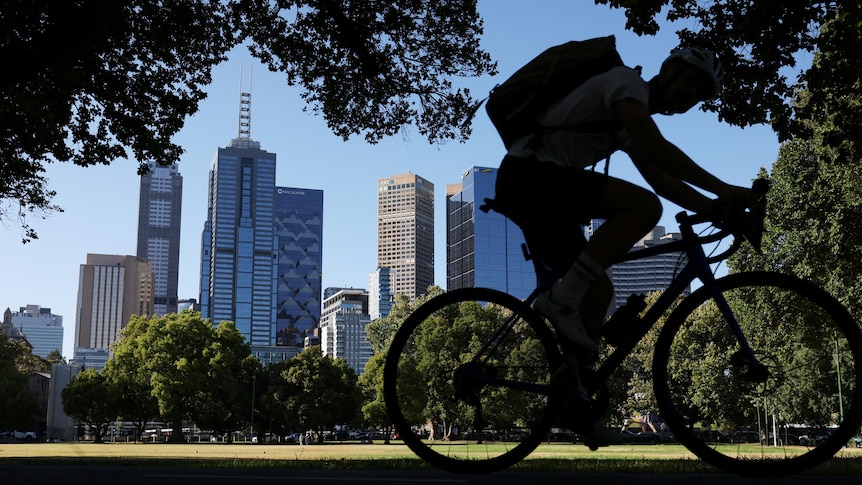
Victoria is bracing for a more intense hayfever season this spring, following its driest winter in a decade and record-breaking warmth. The Department of Health will start issuing daily thunderstorm asthma forecasts next week, as the state faces a higher likelihood of extreme grass pollen days. Tree pollen has already begun in Melbourne, with cypress trees causing several extreme ratings.
Last year, Melbourne experienced five extreme grass pollen days and 15 high grass pollen days. AirWatch CEO Edwin Lampugnani noted that conditions suggest this year could be more severe, driven by satellite data showing green pastures in the north-western regions. While western and central Victoria may face a more active season, the Gippsland area could see a duller pollen season due to dry conditions.
Professor Cenk Suphioglu of Deakin University believes the ongoing El Niño weather pattern could lead to a shorter hayfever season, as drier conditions would desiccate grass and reduce pollen production. Melbourne's geography and wind patterns have earned it the title of the "world's hayfever capital," with rye grass from nearby farmlands contributing significantly to the pollen count.
Residents in Melbourne's west are most affected, while those on the east side of Port Phillip Bay benefit from natural pollen filtration. Hayfever symptoms include sneezing, coughing, and an itchy nose, eyes, and throat. Medical experts recommend antihistamine tablets for mild symptoms and nasal sprays for more moderate cases. Severe symptoms may require referral to an allergy specialist for desensitisation immunotherapy.
Thunderstorm asthma, a condition that can cause respiratory distress, occurs when high pollen levels and storms coincide, leading to small pollen particles entering the lungs. The 2016 Melbourne thunderstorm asthma event, which killed nine people, saw a 672% increase in respiratory-related emergency department presentations and a 992% rise in asthma-related hospital admissions.
Health officials advise residents to prepare by creating an asthma action plan and consulting their GP about managing hayfever.
Written by urgent.news from ABC News AU's reporting — not their text. Machine-written — may contain errors; check the original before relying on it.