We co-led the UN’s dialogue on safe and secure AI. Here’s what needs to happen now
AI risks are at our front door. The roadmap to address them is already in our hands.
In the past week, AI developers have raised concerns about the risks associated with rapid AI development. Leading CEOs have called for a slower pace of AI progress, citing potential issues such as loss of control, cyberattacks, and bioterrorism. This news unfolded shortly after Bank of England Governor Andrew Bailey alerted G20 finance ministers and central bankers about the new threat AI poses to a globally interconnected financial system.
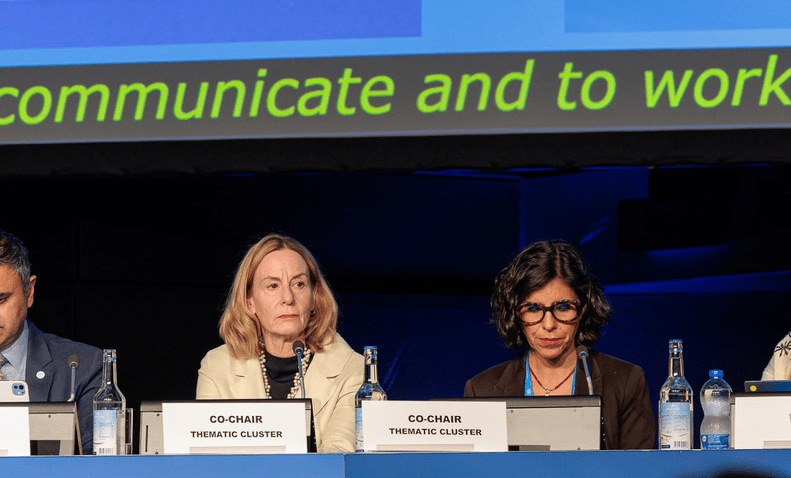
Recognizing these warnings, the co-leads for safe, secure, and trustworthy AI at the UN's inaugural Global Dialogue on AI Governance in Geneva in July agreed that the world requires common rules.
The Geneva meeting marked an essential first step towards coordinated AI governance, uniting 170 countries, industry, and civil society around a set of guidelines. Despite the challenges of working within the UN framework, there are "no regret" actions that can be taken immediately. Firstly, the UN should bridge the gap between AI risk researchers and diplomats, establishing a structured communication channel.
The UN's Independent International Scientific Panel on AI recently released its first evidence-based assessment, which needs to be integrated into the Global Dialogue's negotiation process before May.
Secondly, the UN should develop a common safety reference baseline grounded in international human rights law, drawing from established frameworks like the OECD AI Principles, the G7 Hiroshima code of conduct, and UNESCO's Recommendation on the Ethics of AI. By creating a shared understanding of current regulatory floors, countries can then adapt these standards to their specific national and regional contexts.
Costa Rica's National AI Strategy serves as an example of successful collaboration among governments, civil society, industry, and academia, all based on international frameworks.
Lastly, inclusivity must be prioritized to ensure that all voices are heard in the AI governance conversation. This includes providing financial support for under-resourced governments, researchers, and civil society organizations to participate in these discussions. A dedicated trust fund, similar to the one that funds the Intergovernmental Panel on Climate Change (IPCC), can facilitate this inclusivity.
Additionally, creating cross-border regulatory sandboxes will demonstrate how different regulatory systems can work together, rather than remaining isolated.
These recommendations are attainable and urgent. The upcoming UN Global Dialogue in May should include an evidence assessment from the scientific panel, an agenda based on the proposed safety baseline, and the launch of a cross-border sandbox pilot. The world cannot afford to wait for governments, companies, and civil society groups to continue deliberating on issues that should already be settled.
The risks associated with rapid AI development are already palpable, and it is crucial to take decisive action to ensure that AI is governed in a manner that benefits everyone.
Written by urgent.news from Fortune's reporting — not their text. Machine-written — may contain errors; check the original before relying on it.