US, China need nuclear-style AI safeguards, congressman says before Xi-Trump summit
The US and China should agree on international regulatory standards for artificial intelligence (AI), akin to atomic-era guardrails, said Ro Khanna, the ranking member of the US House Select Committee on China, in New York on Monday ahead of the two countries’ high-stakes summit. The remarks come two days before Chinese President Xi Jinping is set to arrive in Washington to meet with US President…
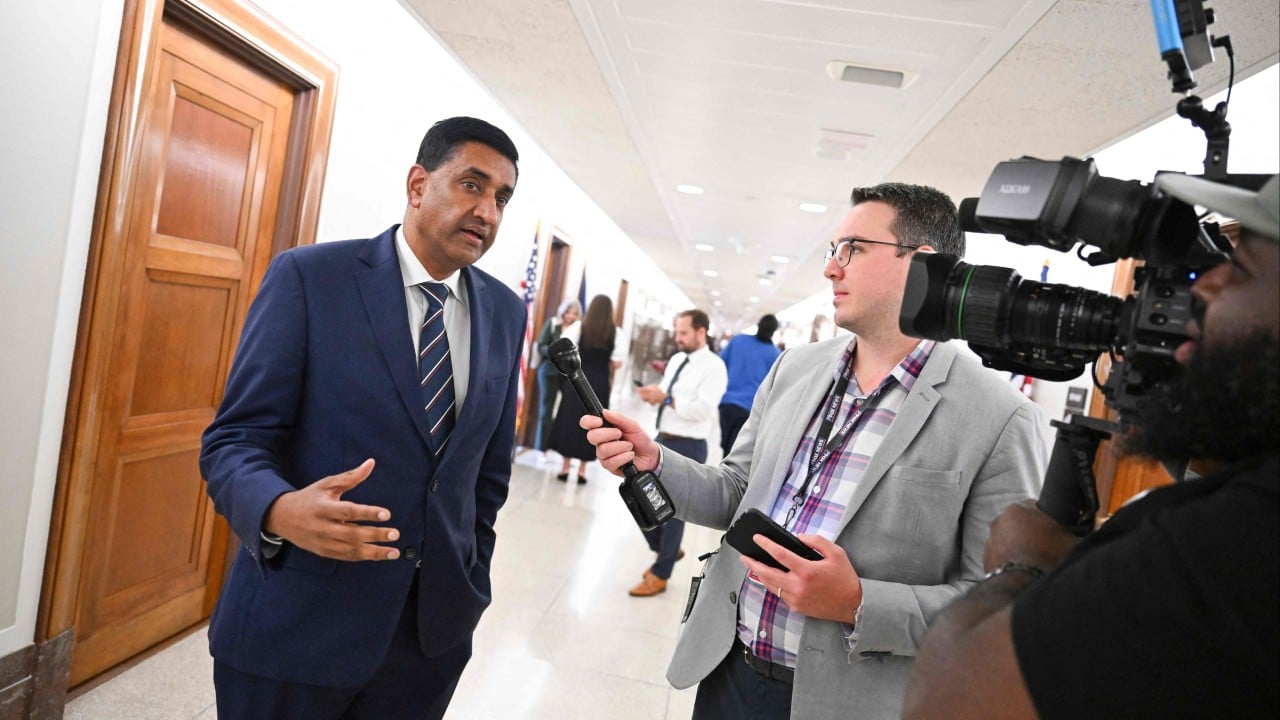
US Congressman Ro Khanna suggests that the United States and China should adopt international regulatory standards for artificial intelligence (AI), similar to the safeguards established during the atomic era. This proposal comes ahead of a high-stakes summit between President Donald Trump and Chinese President Xi Jinping, which will discuss AI among other topics.
Khanna, the ranking member of the US House Select Committee on China, hopes for an agreement between the two leaders to establish safety standards for AI, including a ban on recursive self-improving AI and a certification and inspection system to prevent misuse or loss of control.
Khanna, a Democrat, stressed the need for a concrete framework to reach an agreement between the US and China on AI regulation. He proposed an international inspection regime to monitor frontier labs in both countries, mentioning Chinese firms Alibaba, Moonshot, and DeepSeek alongside US labs. Khanna acknowledged that the presidents might not have all the details but urged them to commit to regulation and establish a goal of three months to reach a basic understanding.
The talks on AI safety came after eight-hour long discussions between US Treasury Secretary Scott Bessent, US Trade Representative Jamieson Greer, and Chinese Vice-Premier He Lifeng. Bessent proposed a new AI safety notification mechanism with China, emphasizing the shared vision of common goals and common threats. Khanna reiterated his call for the ban on self-recursive AI during its development, emphasizing that it would not ban existing AI models but impose a pre-emptive pause.
Written by urgent.news from South China Morning Post's reporting — not their text. Machine-written — may contain errors; check the original before relying on it.
This story
This is one outlet's version. Read the fullest account.