US-China conflict raises questions on new world order's shape
Conflicts between two global major powers may dismantle the current state of the foreign affairs as we know it, with smaller countries urged to use their agency to navigate uncertainties caused by the rift, experts have said.
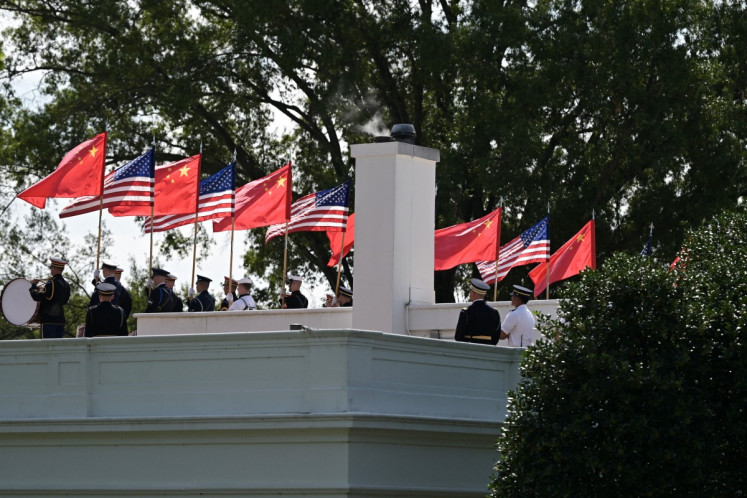
The escalating tensions between the United States and China have ignited discussions about the future shape of the global order, experts contend. Critics argue that the current international system, which has stood the test of time since World War II, is veering away from the principles of peace and cooperation. In a recent Global Town Hall organized by the Foreign Policy Community of Indonesia (FPCI), concerns were raised over the increasing number of conflicts, with 2025 witnessing a record-high 65 clashes in 35 countries.
FPCI cofounder Dino Patti Djalal expressed apprehension over the descent into a world that violates the UN charter, a future he and others hope to avoid for their children and generations to come. The US-China rivalry, a major flashpoint in the Indo-Pacific region, serves as a stark reminder of the challenges that lie ahead. While acknowledging the rivalry as one of the most complex, with a high degree of distrust yet interdependence, experts remain optimistic about the US's continued global influence, citing its strong economy, military capabilities, educational prowess, and technological edge.
Written by urgent.news from The Jakarta Post's reporting — not their text. Machine-written — may contain errors; check the original before relying on it.