Unity, East Malaysia style: it’s all in the language, bah
The Malay language is the ultimate daily lingua franca in East Malaysia, spoken by all and sundry, transcending ethnic divides, further cemented by the high rates of intermarriage that define East Malaysian society.
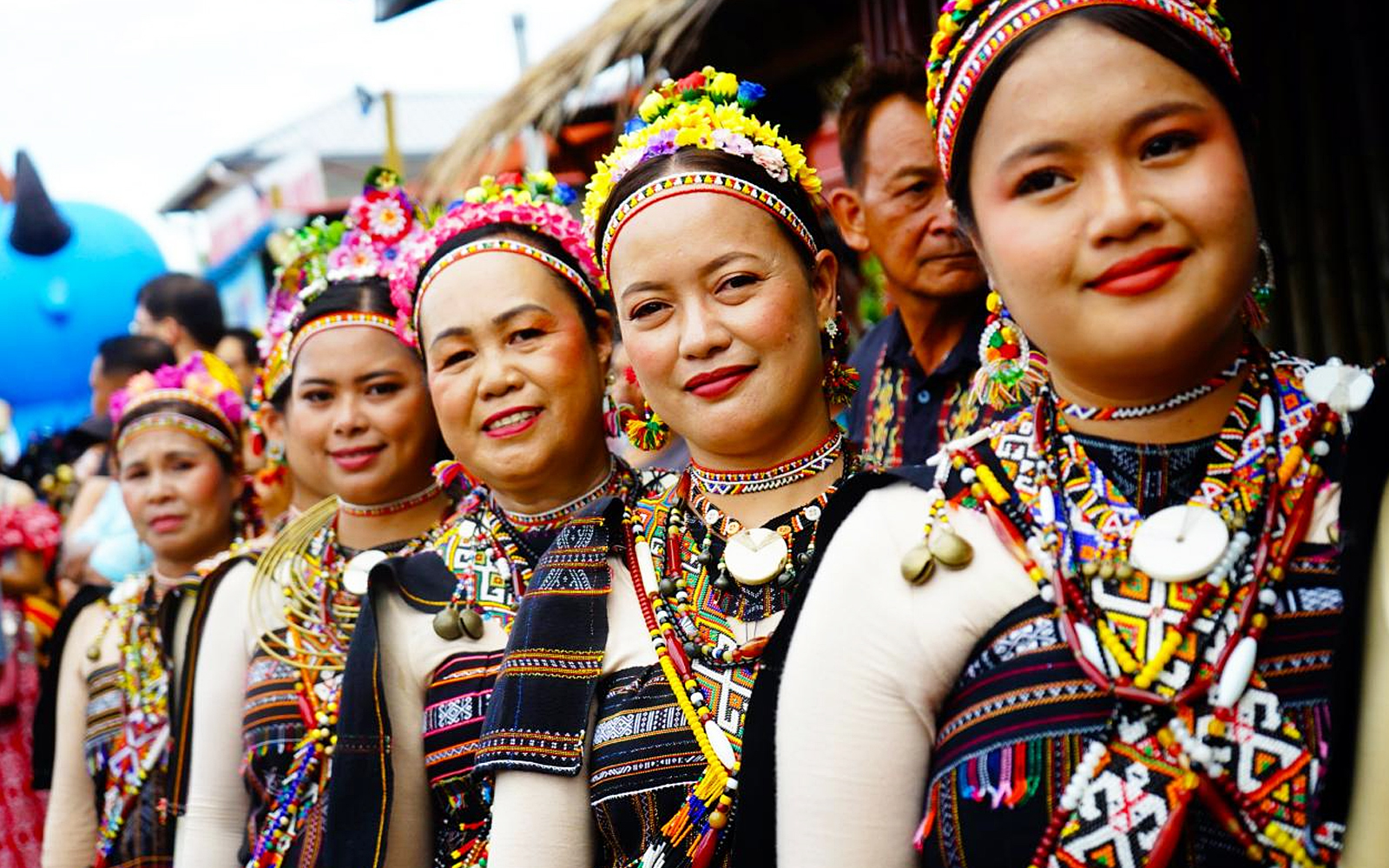
Unity in Malaysia takes on a distinct form in East Malaysia, particularly in the states of Sabah and Sarawak. Here, the celebration of national unity manifests more as a lived reality than a mere slogan. Inter-ethnic and inter-religious tensions are rare; instead, Bumiputera and non-Bumiputera communities coexist harmoniously. The key to this social harmony lies in a surprisingly simple yet powerful factor: the Malay language.
In contrast to linguistic and social segregation prevalent in West Malaysia, East Malaysia’s diverse demographic needs a universal linguistic bridge. This bridge is provided by Malay, which has become the daily lingua franca in Sabah and Sarawak, transcending ethnic boundaries.
The prevalence of Malay in East Malaysia is especially pronounced among non-Bumiputera communities, particularly the Chinese. While those in the Peninsula may prefer Mandarin, Cantonese, or Hokkien for intra-ethnic communication, East Malaysians demonstrate remarkable fluency in Malay. This fluency is facilitated by the phonetic accessibility of East Malaysian Malay, which closely resembles standard written Malay.
This makes it easier for non-native speakers to grasp, unlike the complex vowel shifts and exclusionary slang rules in Peninsular Malay.
Moreover, East Malaysian Malay is spoken in a way that aligns closely with its written form, bypassing the pressures of navigating linguistic nuances and structural rules. The language in East Malaysia has evolved into a community identity, infused with local slang, indigenous loanwords, and Chinese particle markers. This organic development, far from being a rigid institution, fosters an authentic sense of shared ownership of the language.
This linguistic integration is strengthened by the high rates of intermarriage in East Malaysia. With more interracial families than in the Peninsula, it’s common for Chinese-Bumiputera households to speak Malay natively. This blending of cultures and languages effectively erases the distinct cultural and linguistic boundaries seen elsewhere in the country.
In Sabah and Sarawak, the Malay language is not just a means of communication; it's a unifying force. By transforming the national language into an accessible, organic, and inclusive medium, East Malaysians provide a compelling model of true national unity.
Written by urgent.news from Free Malaysia Today's reporting — not their text. Machine-written — may contain errors; check the original before relying on it.
Also reported by 1 other outlet
- Unity, East Malaysia style: it’s all in the language, bah freemalaysiatoday.com