U.S. emissions rollback on Boeing 777 freighter helps air logistics
The Federal Aviation Administration’s rollback of emissions requirements for the legacy Boeing 777 will help mitigate tight capacity in the air cargo sector. The post U.S. emissions rollback on Boeing 777 freighter helps air logistics appeared first on FreightWaves .
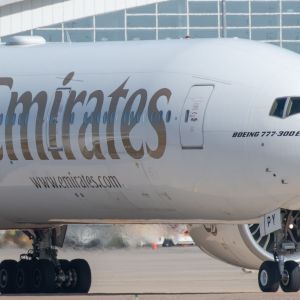
Last week, the Federal Aviation Administration (FAA) granted Boeing an exemption that allows the production of 35 Boeing 777 freighter aircraft beyond the Jan. 1, 2028 deadline for cleaner engines. This decision is seen as beneficial for airlines and freight forwarders due to a shortage of widebody capacity in the air cargo industry.
The FAA deemed the exemption necessary for Boeing to meet customer demand until its next-generation 777-8 cargo jet becomes commercially available. The demand for air cargo has been driven by the AI data center boom and ocean shipping disruptions due to the Iran war. Airlines are also facing retirements of aging freighter aircraft, while Airbus and Boeing are producing fewer widebody passenger planes, which traditionally carry about 50% of global air cargo shipments.
In 2025, Korean Air placed an order for eight 777-8 freighters, and Boeing has received over 80 orders for the next-gen freighter. The exemption extends flying privileges for existing 777F users and allows foreign countries with aviation agreements with the U.S. to recognize them.
Written by urgent.news from FreightWaves's reporting — not their text. Machine-written — may contain errors; check the original before relying on it.